Copper headlines in 2026 have been about price, but the market's real story is upstream. Mine supply — not demand, not inventory — is what now constrains the chain from the mine gate to the laminated busbar. At LME Week in October, S&P Global tallied a combined 214,615-tonne output reduction across BHP, Codelco and Freeport-McMoRan, driven by ore-grade decline, maintenance and slow recoveries at El Teniente and Grasberg. For a buyer pricing a busbar bill of materials, that number matters more than any single LME close.
Copper headlines in 2026 have been about price, but the market's real story is upstream. Mine supply — not demand, not inventory — is what now constrains the chain from the mine gate to the laminated busbar. At LME Week in October, S&P Global tallied a combined 214,615-tonne output reduction across BHP, Codelco and Freeport-McMoRan, driven by ore-grade decline, maintenance and slow recoveries at El Teniente and Grasberg. For a buyer pricing a busbar bill of materials, that number matters more than any single LME close.
For two years the copper bull case was written in demand: electrification, grid build-out, data centers, EVs. 2026 flipped the script. The constraint is now physical — concentrate that does not exist because the mine did not produce it. The International Energy Agency tracked the annual treatment and refining charge (TC/RC) benchmark settling at zero dollars per tonne in January 2026, the lowest annual benchmark on record. Spot TC/RCs went negative by mid-year, meaning Chinese smelters were paying miners to take concentrate. That inversion is the market telling you the bottleneck sits at the mine, not the furnace.
For busbar buyers the practical translation is simple: when concentrate is scarce, refined copper stays dear, and copper is 60-80% of a laminated busbar's material cost. The downstream effects — thinner smelter margins, scrap inflows, substitution pressure — all land on the purchase order eventually.
S&P Global's LME Week assessment put the 2026 supply loss in hard figures. BHP Group, Codelco and Freeport-McMoRan together accounted for 214,615 tonnes of year-on-year reduction, mostly lower ore grades, planned maintenance and slow recoveries — Codelco's El Teniente in Chile and Freeport's Grasberg district in Indonesia. Output declines at Rio Tinto, Southern Copper and Antofagasta Minerals compounded the reliability problem. These are not one-off accidents; they are the ageing-mine profile of the industry's biggest assets.
What matters for a component buyer is the trend line. Mine output growth was already cut by ICSG from 2.3% to 1.6% for 2026 after disruptions at Grasberg, Ivanhoe's Kamoa-Kakula in the DRC and El Teniente. When the official statistical body is downgrading mid-year, the risk sits on the upside of your copper cost assumption.
Chile remains the swing producer of the copper world, and Chile is tired. Cochilco, the national copper commission, cut its 2026 production forecast to 5.27 million tonnes — down 2.6% from 2025 — after extreme weather hit mining regions and grade decline bit into established pits. El Teniente, the world's largest underground mine, became the poster child: slower recoveries and rock conditions that make the headline output figure sag despite expansion plans.
The structural issue is grade. Chilean ore grades have fallen for years, and every percentage point of copper in the ore requires more rock moved, more energy, more water to produce the same cathode. When the swing supplier cannot swing up, the whole market price floor lifts.
The second tier of supply risk moved in 2026 to Indonesia and the DRC. Freeport's Grasberg district — the largest copper-gold mine on earth — suffered a mud rush event that knocked output, and the Grasberg block cave has a recovery profile that rewards patience but punishes accidents. In the DRC, Ivanhoe's Kamoa-Kakula, the big success story of the decade, also hit disruptions, reminding the market that even new-generation assets carry operational risk.
These two regions now matter disproportionately to the global balance because the pipeline of new mines is thin. When both the mature Chilean pits and the younger African/Indonesian assets wobble in the same year, the statistical deficit writes itself.
Treatment and refining charges are the fee smelters earn for converting concentrate to cathode. In a balanced market TC/RC is positive — in 2026 it went to zero then negative. The IEA recorded the January benchmark at $0 per tonne, and spot TC/RCs fell to -$126.80 per tonne by the end of June. Chinese smelters, the world's largest buyers of concentrate, were effectively paying miners to sell them ore, absorbing the cost to keep furnaces running and market share intact.
Why this matters to a busbar buyer: smelters are the price-takers when concentrate is tight, and they pass through what they cannot absorb. Refined copper output growth nearly stalled in 2026 — primary refined production added only about 52,000 tonnes year on year in China's case — because the raw material simply was not there.
Negative treatment charges distort every hand-off in the copper chain. Concentrate producers capture more margin, smelters squeeze theirs, traders shorten tenors, and cathode inventories stay low because nobody wants to carry the metal. The visible symptoms for a manufacturer: cathode premiums above LME, alloy surcharges that change with notice, and suppliers quoting shorter validity windows.
For a laminated busbar fabricator like SHANYUAN, the effect shows up in the metal index clause of a quote, not in the headline price. Understanding where in the chain the margin sits is what lets a buyer negotiate intelligently — ask for the index basis and the metal content, not just the number.
ICSG puts the 2026 refined copper balance at a deficit of roughly 150,000 tonnes; sell-side banks cluster in the 330,000-600,000 tonne range, with concentrate supply flagged as the binding constraint through the decade. Even the most conservative forecast points one direction: the world draws down inventories this year, and inventory is the shock absorber that keeps spot prices from gapping.
A deficit year is when LME stocks fall, backwardation stretches, and the copper price stops being a gently rising line and starts being a series of spikes around every supply headline. Component buyers should budget for volatility, not for a level.
The one segment that grew in 2026 was secondary copper. China's secondary refined production rose by about 265,000 tonnes year on year, partly offsetting the stalled primary output. Scrap flows into the market when prices are high, which is exactly the mechanism that keeps the deficit from being worse than it is.
For busbar buyers the secondary market matters in two ways: it caps the upside of extreme spikes, and it feeds the green-copper certifications that some OEM customers now request. Recycled content is no longer just an ESG checkbox — in a constrained market it is also a supply argument.
Copper dominates the cost of a laminated battery busbar the way steel dominates a car body. When LME copper moves 10%, the busbar's metal cost moves with it before fabrication, lamination or plating are added. In 2026, with mine supply shrinking and refined metal in deficit, that 10% is not hypothetical — it happened twice inside one year.
The right response is not to wait for a better price; it is to make the quote transparent. A supplier that states the LME reference date, the copper weight per piece and the index formula lets you compare fabrication value across vendors instead of gambling on metal direction.
High copper prices trigger engineering substitution, and 2026 was a banner year for it. Aluminum busbar proposals, copper-clad solutions and mixed-metal designs all gained attention as the copper premium widened. The physics has not changed — copper's conductivity advantage is real — but the price ratio now decides a growing share of applications.
Our aluminum vs copper busbar analysis walks through where substitution works and where it fails: thermal cycling, joint reliability and current density usually decide. The 2026 takeaway is that substitution is a real negotiation lever, but only in the applications where the engineering case holds.
In a deficit year, ordering discipline beats price timing. The levers that actually work: fixed-price windows with a defined metal reference, index-linked clauses for long programs, and second-source approval done early rather than in a crisis. A busbar order placed today with a 90-day fixed price protects you only while the index stays in range — the contract has to say which side carries the residual risk.
The production-planning side matters equally. Our sample-to-series procurement guide covers how prototypes and production orders interact with metal volatility, including when to lock a metal price at the prototype stage and when to wait for the series commitment.
The toolset for metal exposure is standard: LME hedges, fixed-price purchase orders, index-linked long-term agreements. What changed in 2026 is that the basis risk grew — the gap between the LME price and the actual cathode premium widened, and that gap is where buyers get hurt even when the hedge works.
Our copper price and busbar supply guide details the formula structures we see in practice, from simple pass-through to capped ranges, and how each shifts risk between buyer and supplier. The discipline to add in 2026: verify the metal content assumption in every quote, because weight tolerances matter more when metal is dear.
Trade policy layered onto tight metal in 2026. US Section 232 actions on semi-finished copper changed the economics of importing strip and bar, and the October 2026 expansion into wind and inverter content pulled more busbar programs into the customs conversation. Supply and tariffs are now a single risk conversation, not two.
Our tariff and supply chain analysis covers the HTS classification work and duty-sharing structures that keep a busbar program solvent in this environment. The common thread: traceability of metal origin is becoming the backbone of trade compliance, exactly as it is becoming the backbone of green-copper certification.
Demand is not the bottleneck, but its geography is shifting. India's grid-scale storage build-out — tendered capacity approaching 91 GW and a 60.6 GW official storage target for 2029-30 — adds a new, large, copper-hungry customer class at exactly the moment supply tightened. Every megawatt-hour of battery storage contains laminated busbar, and every container needs its metal.
For suppliers the question is allocation: when metal is tight, who gets the copper and who gets quoted a premium? Buyers in growth markets should expect that suppliers with visible order books will quote metal risk more explicitly. The India energy storage market analysis published today tracks how that build-out is translating into component demand.
Three questions separate a well-managed supplier from one that will hand you metal risk by default. First: what is your copper sourcing model — index pass-through, fixed windows, or a mix? Second: can you trace metal origin to the smelter level for tariff and green-copper documentation? Third: what is your lead-time buffer when spot metal gaps? A supplier that answers all three with documents, not assurances, is running the chain properly.
Our busbar manufacturer selection guide and the RFQ supplier evaluation guide both flag metal transparency as a first-screen criterion. In a deficit year it stops being a nice-to-have and becomes the difference between a quote you can plan around and one you cannot.
Mine supply does not rebalance quickly. New projects take a decade, expansions take years, and the grade decline at existing assets is not reversible. The consensus through 2027 is that concentrate remains the binding constraint, refined copper stays in deficit, and volatility is the new baseline. That is not a doom forecast — it is a planning assumption.
The constructive response is the same for every buyer in the chain: lock transparency, build traceability, approve second sources early, and treat the metal clause as a first-class engineering input rather than a finance afterthought. The suppliers who do this — and the power electronics busbar programs built on it — will be the ones quoting stable delivery through the next two years.
Metal scarcity propagates into mechanical scarcity. When smelters cannot get concentrate and fabricators cannot get strip, the whole chain stretches: rolling mills allocate, platers schedule against cathode, and the laminated busbar that once turned around in two weeks needs four. The symptom shows up first in the RFQ — suppliers quoting longer lead times, or declining the rush order entirely.
The planning response is to treat busbar lead time as a scheduling input, not a surprise. A custom busbar program with committed metal booking can hold its slot when spot buyers cannot; buyers should ask for the metal-booking position as part of the delivery commitment.
China refines more copper than any country, and in 2026 its smelters became the price-setters of the deficit. Facing scarce concentrate, they bid TC/RC to zero and below to keep utilization, then recovered margin by capturing a larger share of downstream value. The result is a market where Chinese refined supply holds, but at a cost structure that leaves less room for discounts anywhere downstream.
The consequence for global busbar buyers is less obvious than the price: Chinese fabricators face the same squeezed metal, and their quotes carry it. The Indian storage build-out competes for the same Chinese and global metal pool, which is why Indian program buyers are seeing shorter validity and firmer pricing in the same quarter.
The playbook for buying busbars when metal is tight has five moves. Move one: lock metal transparency — stated LME basis, copper weight per piece, index formula. Move two: book metal early through the supplier's metal position rather than waiting for spot. Move three: qualify a second source before you need it, on the same drawings. Move four: keep the metal clause and the delivery schedule in the same contract, so a metal spike cannot orphan a commissioning date. Move five: treat the supplier's own reliability evidence as a cost line, because the failure-mode selection discipline applies to the supplier as much as to the part.
Two more disciplines close the loop. Power-converter buyers should fold the EMI and layout consequences of their copper budget into the design — the EMI shielding guide published today covers how geometry and metal interact — and asset owners should budget the maintenance program that protects the investment for the asset life. In a deficit market, the buyers who plan the whole chain get the metal.
How does the 2026 copper deficit affect busbar prices? Copper is 60-80% of a busbar's material cost, so a deficit year with 214,615 tonnes of lost mine output and negative TC/RCs pushes the metal component of every quote up and shortens validity windows. What is TC/RC and why did it go negative? Treatment and refining charges are smelter fees for converting concentrate; they fell to a $0 annual benchmark and -$126.80 spot because concentrate was scarce and smelters paid miners for it. What should buyers do now? Lock metal transparency in every quote, book metal early, qualify second sources, and treat lead time as a scheduling input.
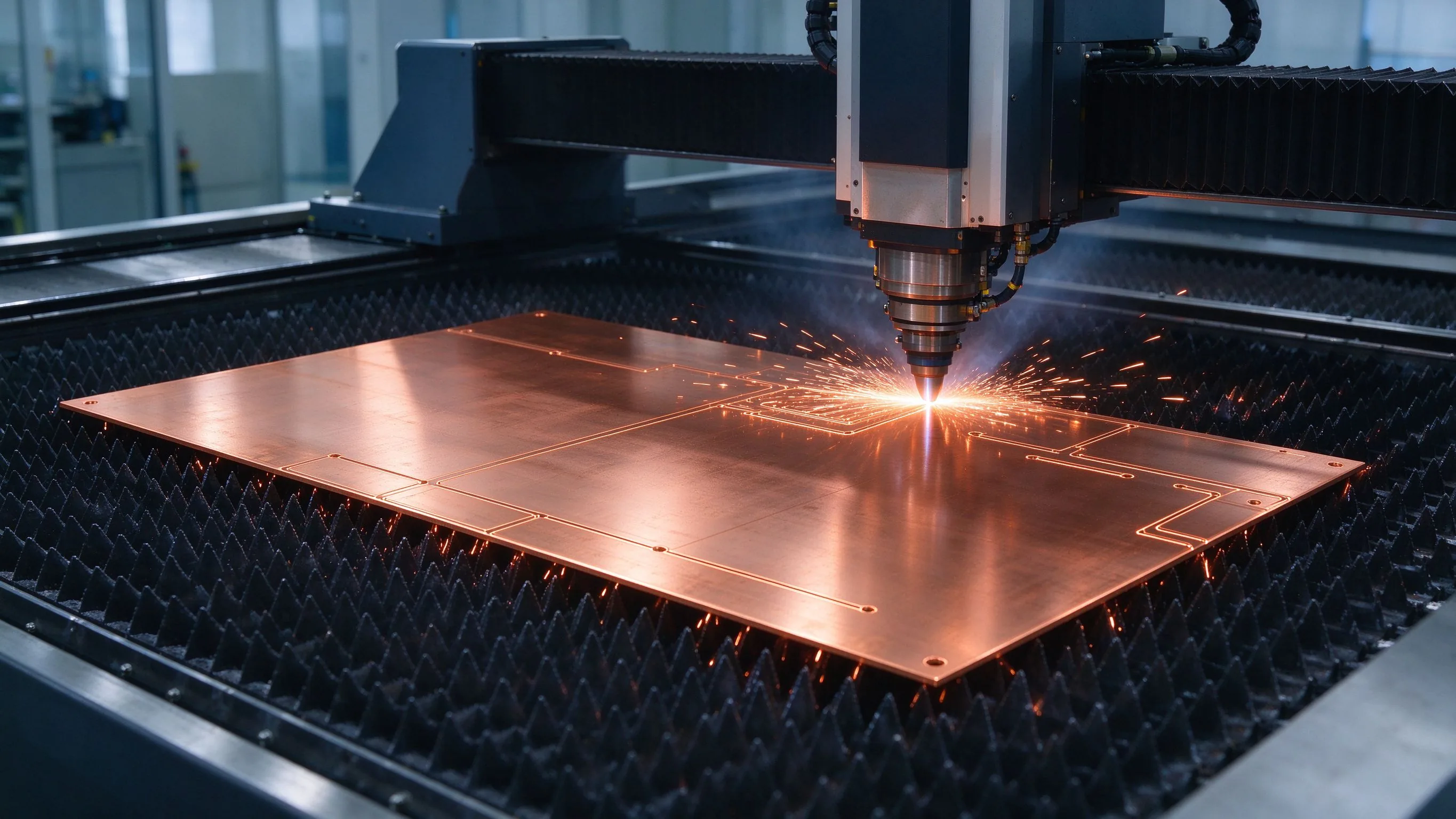
Copper is the largest cost driver in a laminated busbar. This 2026 buyer's guide explains
Read article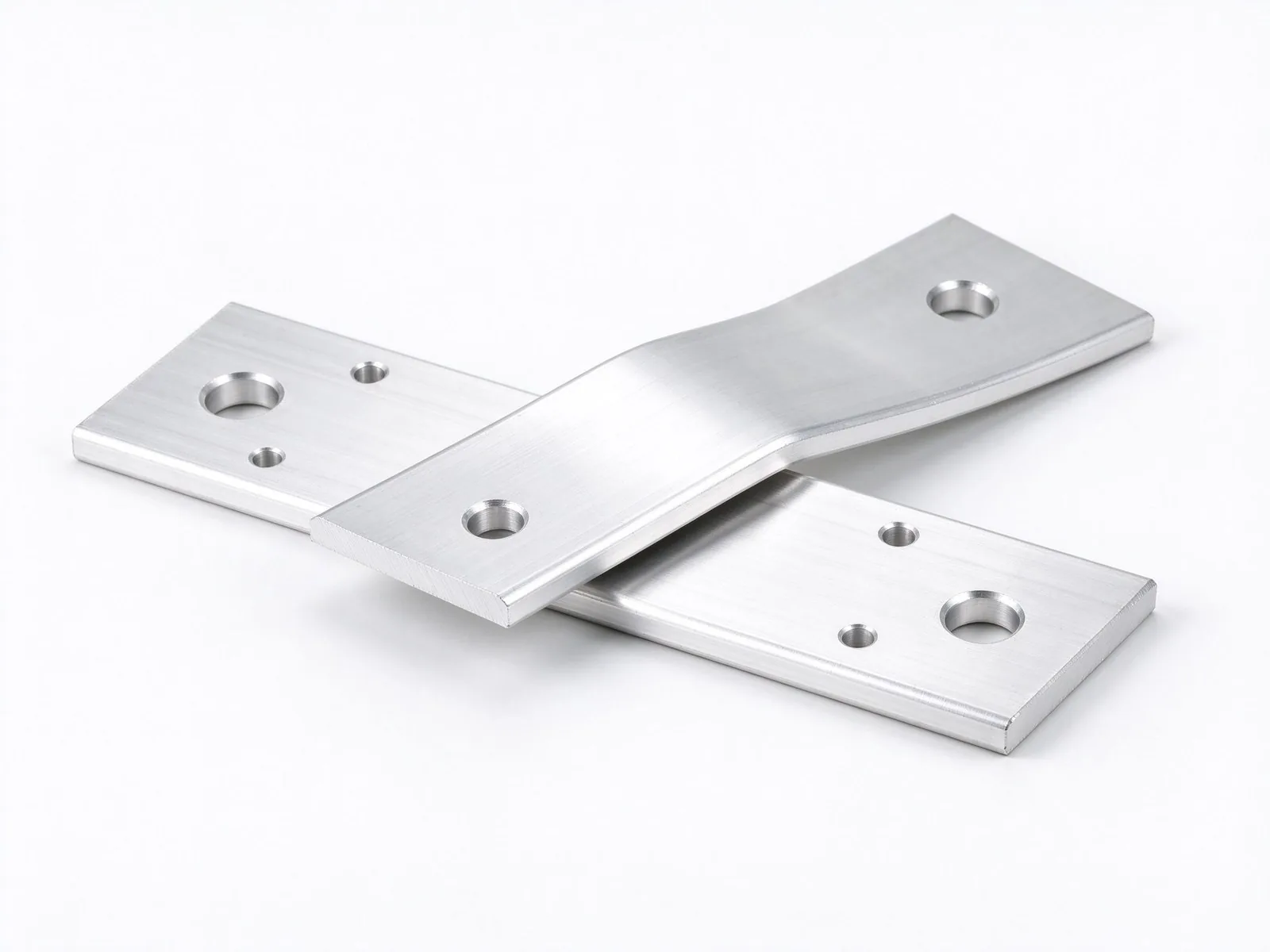
Record copper prices, a 4.41 copper-to-aluminum price ratio and a structural supply gap fo
Read articleThe April 2026 US Section 232 copper duties landed a 50%/25% tariff structure on busbar su
Read article
Lucas Meyer advises procurement and supply-chain teams on copper sourcing, busbar pricing and supplier evaluation, with 13 years in industrial metals and electrical-component procurement. He developed SHANYUAN's copper-price quotation model and cost-breakdown framework for busbar projects. He h
Send the current profile, voltage class and terminal types — our engineers reply within one business day.