A custom busbar programme has four phases — spec, sample, pre-series and series — and each has its own lead time, cost and decision point. This guide gives buyers the timeline, the checkpoints and the questions that keep a project on schedule without over-paying for tooling.
A laminated busbar is a custom part: the stack, the terminals and the tolerances follow your drawing, and the first article is the result of a design loop, not a catalogue pick. Buyers who treat it as a straight purchase order discover the lead time only after the schedule is already tight. This guide lays out the four phases that a realistic programme runs through, the typical durations, and the decisions that control cost at each gate.
The cheapest change is the one made before tooling. Send the current profile, voltage class, layer count, terminal types, ambient temperature and annual volume, and a competent supplier comes back with a DFM review: edge clearances, weld zones, terminal spacing and a challenge to anything over-specified. SHANYUAN returns technical and commercial feedback within one business day.
This phase is free and it is where the quote becomes comparable. If you skip it and jump straight to “manufacture this drawing”, you pay for the supplier's learning later.
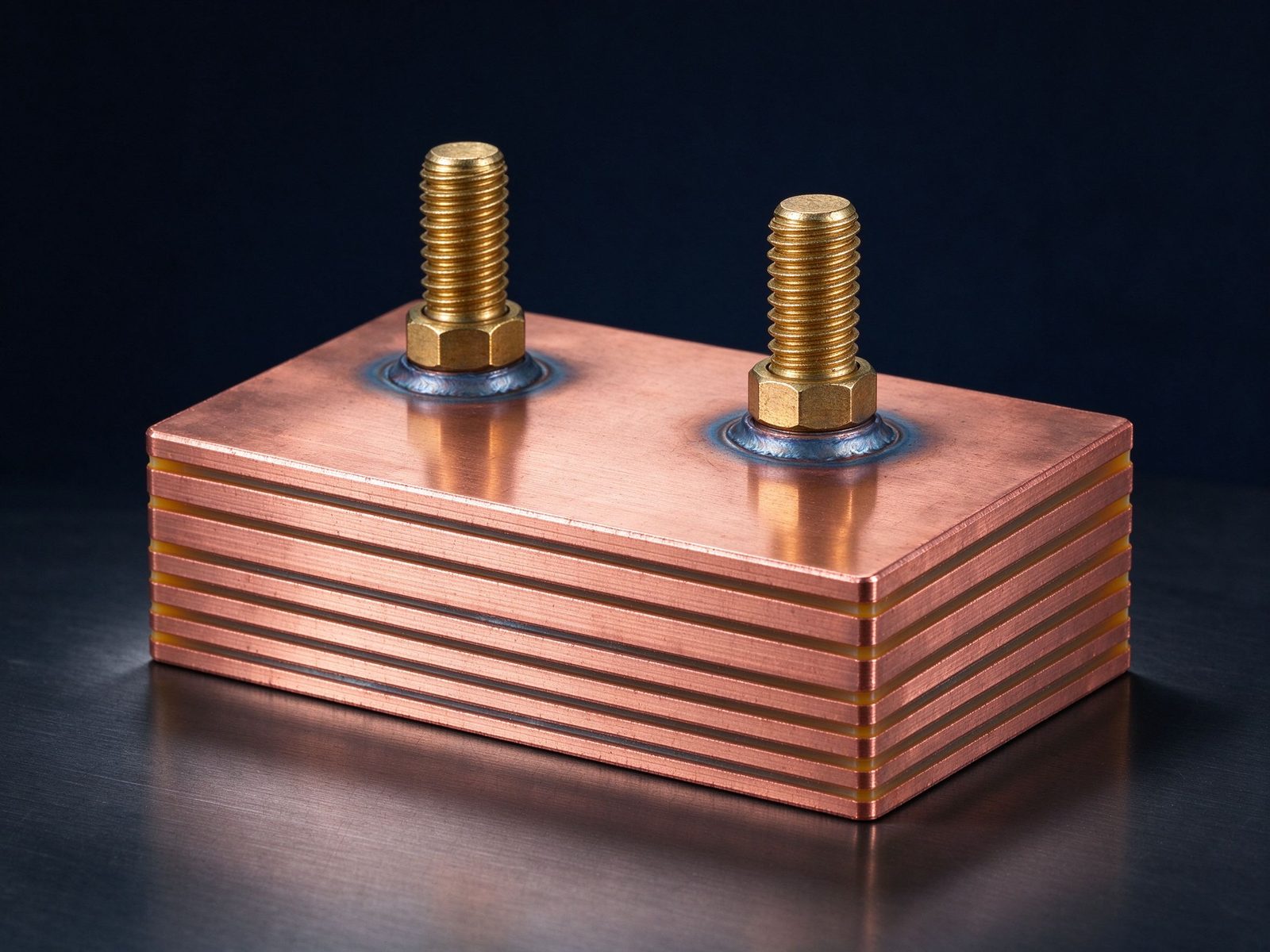
Most programmes need one sample round for form-fit and electrical verification; complex stacks (6+ layers, blind-mate frames, high PD acceptance) often need two. A typical sample is built in 2–3 weeks, and the second round only starts if the first fails electrical or mechanical acceptance — plan the calendar with that possibility priced in.
At the sample gate, verify four things before authorising series tooling: dimensions against drawing, current-carrying capability at the rated rise, insulation/PD at the specified voltage class, and mechanical fit in the real enclosure.
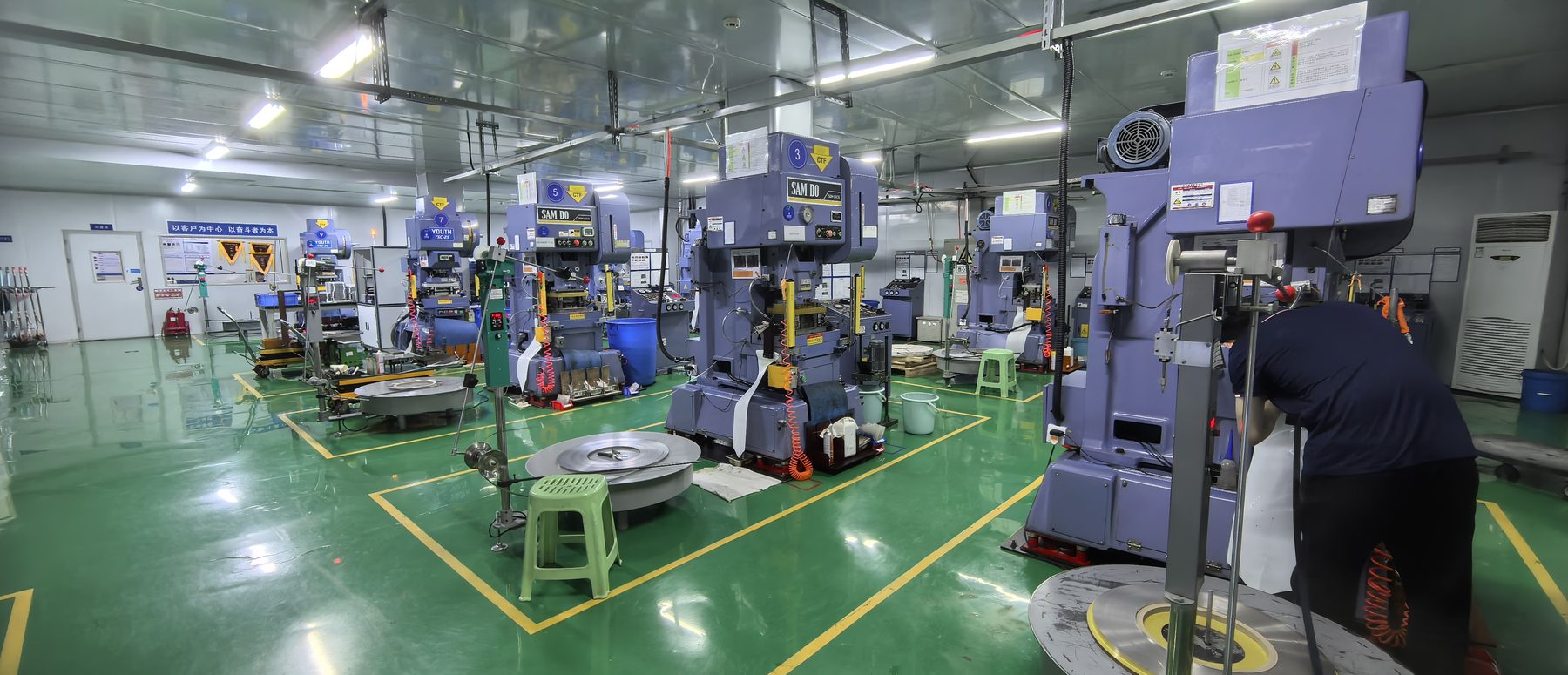
Series tooling is the first serious cash commitment: stamping dies, lamination tooling and inspection fixtures. The decision point is not “can they make it” — the sample proved that — but “does the volume justify the tooling, and is the design frozen”. If annual volume is still uncertain, a pre-series batch from soft tooling keeps the supply moving while the design is validated at higher volume.
Tooling lead time runs alongside pre-series builds; freezing the drawing at this gate is what protects your launch date.
Series production shifts the question from capability to consistency. Each lot ships with its QC record: hipot and insulation resistance, dimensions, continuity and, where specified, IEC 60270 partial discharge at the 10 pC level. Buyers should agree in the RFQ which records accompany each delivery — CoC, batch test records or PPAP-style documentation — because retrofitting documentation after ramp-up is slow and costly.
Most buyers run several busbar variants in parallel — different layer counts, terminal patterns and plating across product lines. Consolidating them into one programme changes the economics: tooling cost can be shared across projects, the DFM knowledge transfers between variants, and a single annual agreement (with agreed copper basis and volume bands) gives the supplier a load plan to hold capacity against. The lever works both ways: consolidated volume usually earns better piece prices, while a scattered set of one-off orders pays stand-alone tooling every time.
Practical rule: group projects that share a factory process and a launch window, and ask the supplier to quote the group as a programme rather than each drawing independently. On the copper side, agree the pricing basis — LME grade-A cathode with a fixed basis month is the common convention — so material movement does not turn into invoice surprises.
As a working plan: spec and DFM, 1 week; sample design and build, 2–3 weeks; sample verification, 1 week; series tooling and pre-series, 3–5 weeks; series ramp from the frozen drawing, 2–3 weeks to first volume. A straightforward 2-layer programme typically lands first volume 6–9 weeks after the frozen specification; a 6+ layer stack with high PD acceptance runs longer. Confirm the actual dates against your drawing at the DFM gate — the range above is a planning frame, not a quote.
Three costs dominate a busbar programme: tooling (one-time), material (copper price follows LME, so agree the pricing basis), and lamination/QC labour (scales with layer count and inspection depth). Buyers control all three at the same gates: freeze the design before tooling, fix the copper basis in the contract, and specify the QC depth that the application actually needs — 10 pC PD acceptance is not required for every low-voltage stack.
Watch for: a quote that cannot separate tooling from piece price; a DFM review that accepts every dimension without challenge (it means they have not read it); sample promises that ignore the verification window; and quality documentation offered only “on request” instead of as a defined deliverable. Each one costs you either money or schedule later.
Q: How long is a laminated busbar sample lead time? A: Typically 2–3 weeks from a complete specification; a complex stack may need two rounds, so plan 4–6 weeks to a verified sample.
Q: When should I pay for series tooling? A: After the sample passes mechanical and electrical acceptance and the design is frozen — never before, and never while volume is still a question mark.
Q: What QC records come with production lots? A: Hipot, insulation resistance, dimensions, continuity and, where specified, IEC 60270 PD at 10 pC — agree the documentation set in the RFQ so every delivery is complete.
Send the current profile, voltage class and installation conditions — we will size the busbar and document the calculation with your quotation.
Send the current profile, voltage class and installation conditions — we will size the busbar and document the calculation.