A six-dimension due-diligence checklist for qualifying a busbar maker: what to verify, how to verify it, and the red flags that separate a reliable supplier from a quote-only shop.
A busbar is not a catalogue part you order by the meter. A custom laminated or insulated copper bar is a geometry, a process and a documentation package merged into one component. The supplier you pick decides three things that you cannot easily fix later: whether the geometry will actually fit and perform, whether the part will repeat unit to unit at production volume, and whether a problem in the field can be traced back to a measured record instead of a guess.
Pick on price alone and you will usually discover this after tooling: the first batch arrives with insulation that fails hipot, terminal holes that do not line up with the module, or no test records at all. By then the tooling is cut, the production line is waiting, and re-qualifying a second supplier adds months to the schedule. The cheapest quote rarely wins the program — the supplier who reviews your drawing before tooling, shares measurements after the first batch, and answers engineering questions within one business day is the one who protects your launch date.
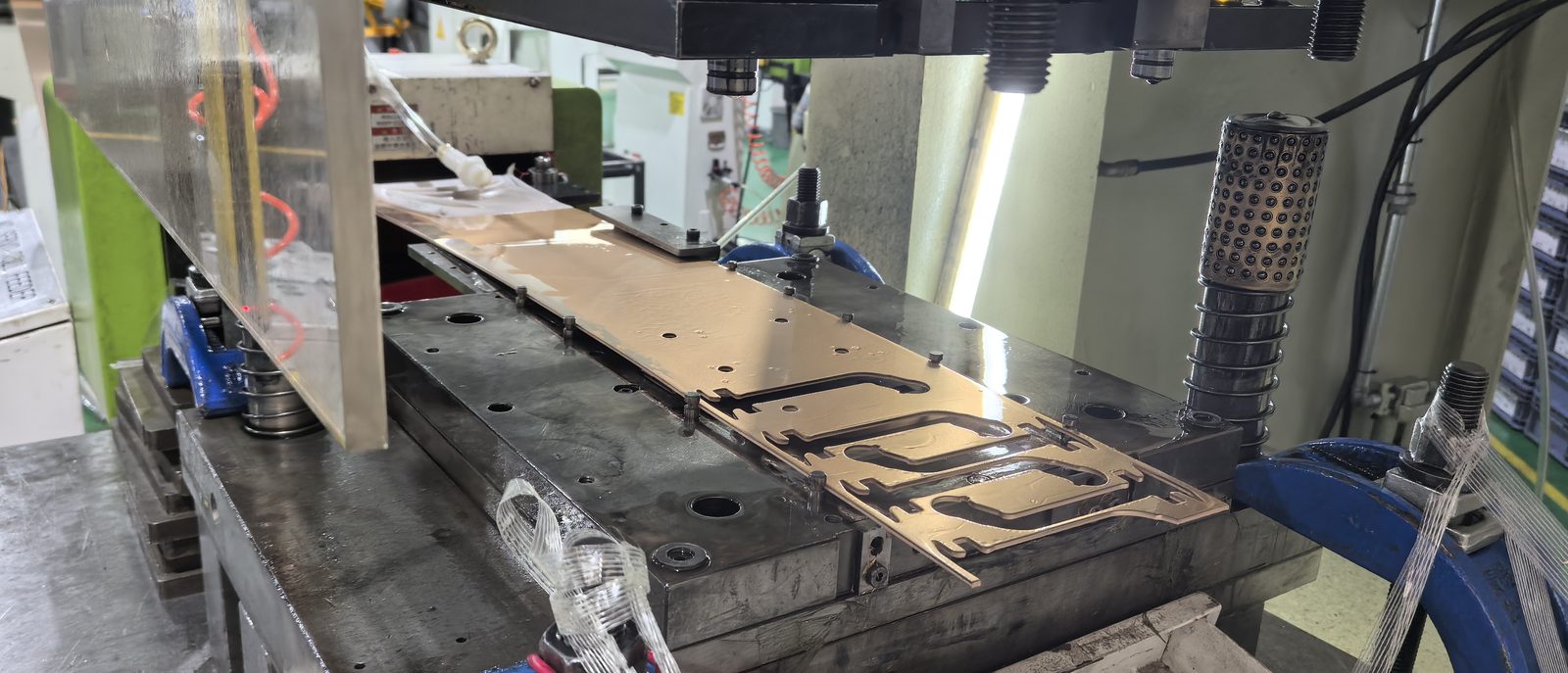
Qualifying a supplier up front costs a few weeks; fixing a bad supplier mid-program costs a few quarters. This page is written as a working checklist. It applies to any candidate you shortlist — including us. Where industry practice differs between markets, it is marked as such. Facts about SHANYUAN are stated plainly so you can verify them against your own audit rather than taking marketing claims at face value.
Two things to settle before you send drawings out. First, decide the decision type: are you buying a standard copper bar stock item, or a fully custom laminated busbar built to your drawing? The qualification depth changes. Second, define the program stakes — annual volume, field lifetime, and whether your end product carries a safety certification that the busbar feeds into. Higher stakes push documentation from "nice to have" to "contractual".
We group supplier verification into six dimensions. For each, you need three answers: what to check, how to verify it (not just take their word), and what a red flag looks like. Score every shortlisted supplier the same way so the comparison is fair.
What to check: quality-system certification, product recognition marks that apply to your end product, and the legal entity behind the quote. Industry practice: ask each candidate to send originals or official copies of ISO 9001, and — where your program demands it — IATF 16949 for automotive, or a UL recognition file for components that carry a listed mark. Then verify the certificate number and scope with the issuing body, and confirm the expiry date and the registered factory address match the address that will ship your parts. A certificate for a different legal entity or a different site is not evidence for your order.
How to verify: cross-check the cert number online; ask for the audit body name; ask what product scope is actually covered. Red flag: a supplier that only posts logos on a webpage and will not send the certificate, or that cannot explain what the scope covers. On SHANYUAN specifically: we do not list certificate numbers on this page because scopes and versions change and a static claim goes stale. Ask during RFQ and we will send the qualification documentation relevant to your program for you to verify yourself.
What to check: whether the supplier actually owns the process steps, or brokers them. A broker quotes you a price but has no control over the shop floor. Ask about the plant area, the equipment lines for cutting, plating, lamination and welding, and the current capacity against the volume you need. How to verify: a video walkthrough, an on-site or virtual audit, photos of equipment with date stamps, and a capacity statement for your projected monthly demand. Red flag: vague answers about who does lamination or plating, or no willingness to show the factory.
For reference, SHANYUAN operates its own roughly 17,200 m² plant in Rizhao, Shandong, China, and has built busbars there since 2012, exporting to 20+ countries. Conductor work runs on C11000 copper as standard, with 6101 aluminum on request; dielectrics are PET, Nomex or DLF epoxy; stacks run from 1 to 6+ layers; typical ratings reach around 1000 A; conductors are tin plated; terminals include M6 and M8 studs. You can read the underlying process on our quality and testing page and the company background on the about page.
What to check: does the supplier give engineering feedback on your drawing, or just price it? Real DFM catches tolerance traps, terminal access problems and dielectric margin issues before tooling. How to verify: send the same drawing to two or three candidates and compare the DFM notes you get back. A supplier that returns only a price line has not looked at the design; one that returns suggested changes, torque values, and stack-up comments is thinking. Red flag: no engineering contact — only sales — and no record of a design review. Our own custom DFM review service is built around this: technical response within one business day, and documented sizing logic attached to the quotation.
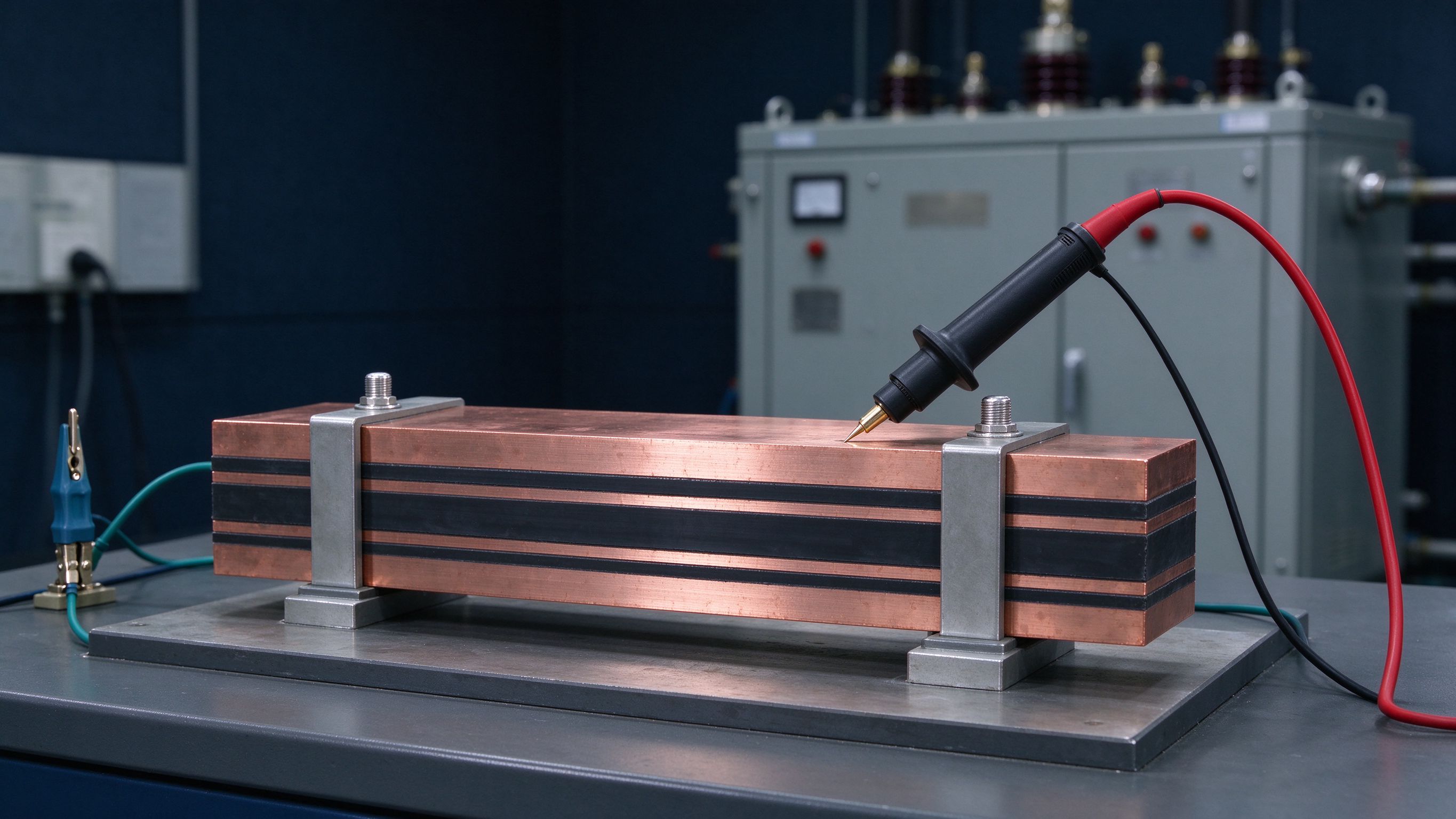
What to check: what the factory actually measures on every batch, and whether they hand you the record. Industry practice for laminated and insulated busbars includes hipot (dielectric withstand), insulation resistance, dimensional check and continuity. How to verify: ask for a sample batch test report and a template CoC; ask which tests are 100% inspected versus sampled. Red flag: "we test everything" but no written report, or reports with blank measurement fields. SHANYUAN supplies batch QC records covering hipot, insulation, dimensional and continuity checks on request, so your incoming inspection and your customer audits have paper behind them. High-voltage programs should also discuss partial-discharge testing — see our partial discharge guide.
What to check: prototype lead time, production lead time, on-time delivery history, and worst-case backup. How to verify: ask for lead times at prototype, pilot and full volume separately — they are not the same number. Ask what happens if your order doubles. Red flag: one flat lead-time quote with no breakdown, or a refusal to discuss contingency. Also confirm shipping lanes and export paperwork for your country; a supplier with 20+ export destinations already knows the routine.
What to check: tooling cost and ownership, price breakpoints, minimum order, payment terms, and the working language/timezone of your contact. How to verify: watch the speed and substance of the first exchange. A supplier who answers a technical question the same day behaves very differently in a crisis than one who answers once a week. Red flag: only a generic sales mailbox, no named engineer, and no direct contact channel. SHANYUAN reaches technical questions at busbar@shanyo.com, by phone at +86 136 4542 9121, or on WhatsApp at +1 519 253 9195, with a one-business-day response commitment on technical inquiries.
Print this table, fill a row per supplier, and score each dimension 1–5. The supplier with the best unit price but weak DFM and documentation rarely survives a production audit; the supplier who scores evenly across all six is the safer program bet.
| Dimension | What "5/5" looks like | What "1/1" looks like |
|---|---|---|
| Certifications & compliance | Sends verifiable cert copies; scope matches your product; explains expiry | Logos only; cannot send certificate; entity mismatch |
| Manufacturing capacity | Owns cutting, plating, lamination, welding; shows plant; confirms capacity | Brokers the work; no plant access; vague on process ownership |
| DFM & engineering | Returns written DFM notes within days; names an engineer | Price-only response; sales only; no review record |
| Testing & documentation | Shares batch QC reports (hipot, insulation, dims, continuity) and CoC | "We test well"; no written records; blank report fields |
| Delivery & lead times | Separate prototype/pilot/mass lead times; contingency discussed | One flat number; no backup plan; unknown export routine |
| Commercial & communication | Tooling ownership defined; fast technical replies; direct contact | Generic mailbox; slow replies; hidden tooling costs |
Do not optimize the score for unit cost. Build the comparison on the same drawing and the same annual volume, then price everything else in: tooling amortization, the cost of a failed batch, the cost of a delayed launch, and the cost of re-qualifying a second source. The reference sizing behind the current rating you are buying — and a common source of quote mismatches — is in the ampacity chart.
A qualification is a small, staged process — not a one-shot sample order. Running it in order keeps you from paying for tooling before the design is proven.
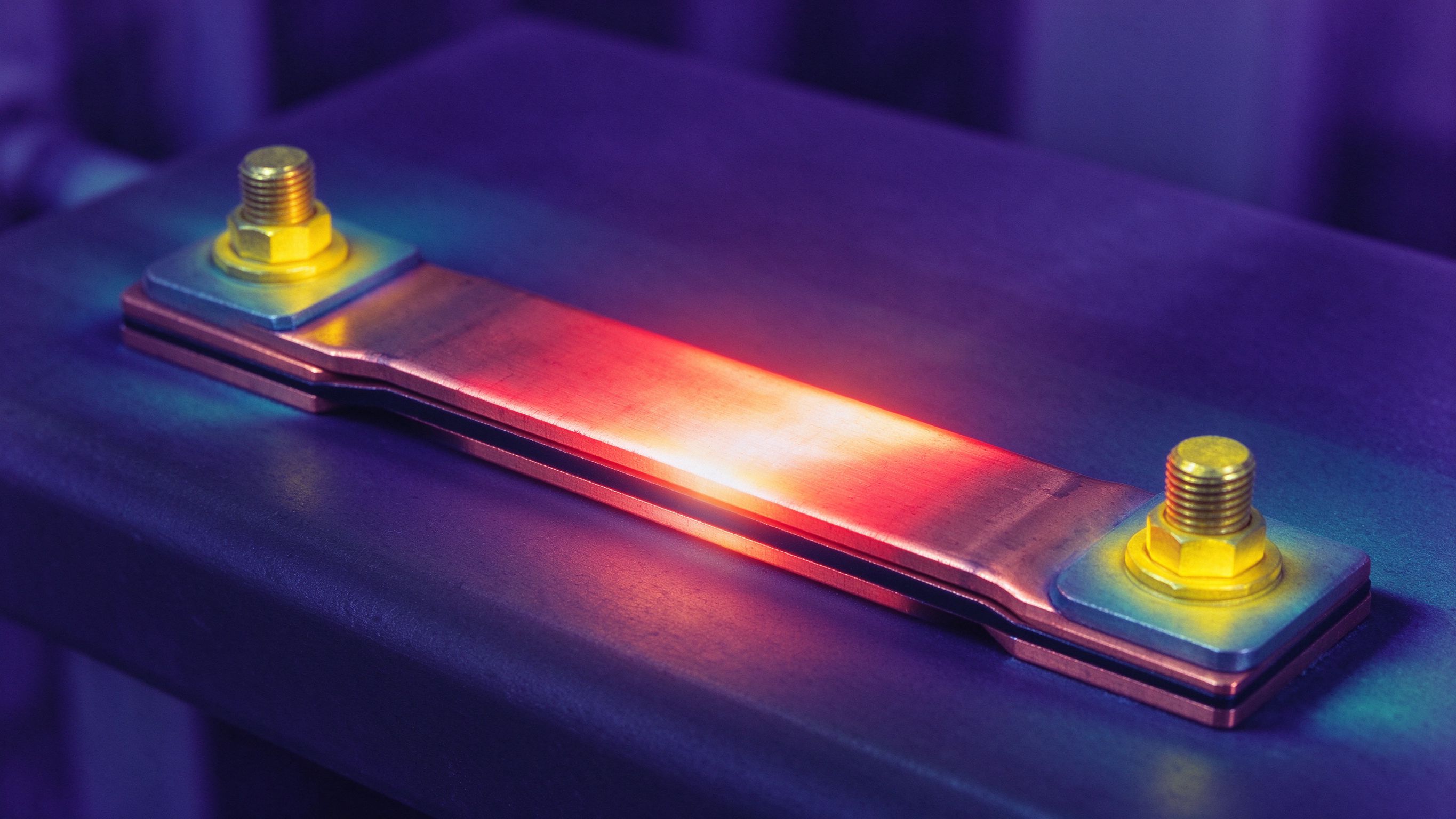
If a supplier resists any of these five steps — especially step 1 DFM and step 3 written records — that resistance is the answer to your question, no matter how good the price. A qualified supplier treats the sample-evidence package as normal working paperwork, not as a favor.
Send these ten questions to every candidate before you compare prices. The quality of the answers matters more than the price line:
When you are ready to run step one, the fastest start is a drawing plus a short spec sheet. If you are still sizing the part itself, the design guide, the ampacity chart or the busbar ampacity calculator will get your drawing close enough to quote accurately.
Some answers should immediately drop a supplier from your list, whatever the price:
None of these are small negotiating points. Each predicts a program failure mode: unverified compliance, unrepeatable geometry, untraceable defects, or a launch delay. A supplier who behaves like a partner answers these questions willingly and in writing — which is the whole point of asking them in the first place.
Send your drawing or spec sheet. You get written DFM feedback, a documented sizing note, and our qualification documentation for you to verify — no commitment required.
Put SHANYUAN through the same six-dimension checklist. Send the drawing, voltage class and current profile — we will respond within one business day.