If you are buying laminated busbars for an EV, ESS, inverter, or data center program, the single biggest variable in your cost is not the lamination process, the dielectric, or the plating. It is the price of copper. Over the last two years, LME and COMEX copper futures have swung through wide ranges, and every swing shows up in the laminated busbar price. In this buyer's guide from the SHANYUAN engineering team, we walk through what OEM procurement teams should watch in 2026, how to structure a custom busbar quote so it is transparent, and how to de-risk supply when volumes ramp.
If you are buying laminated busbars for an EV, ESS, inverter, or data center program, the single biggest variable in your cost is not the lamination process, the dielectric, or the plating. It is the price of copper. Over the last two years, LME and COMEX copper futures have swung through wide ranges, and every swing shows up in the laminated busbar price. In this buyer's guide from the SHANYUAN engineering team, we walk through what OEM procurement teams should watch in 2026, how to structure a <a href="/custom/">custom busbar quote</a> so it is transparent, and how to de-risk supply when volumes ramp.
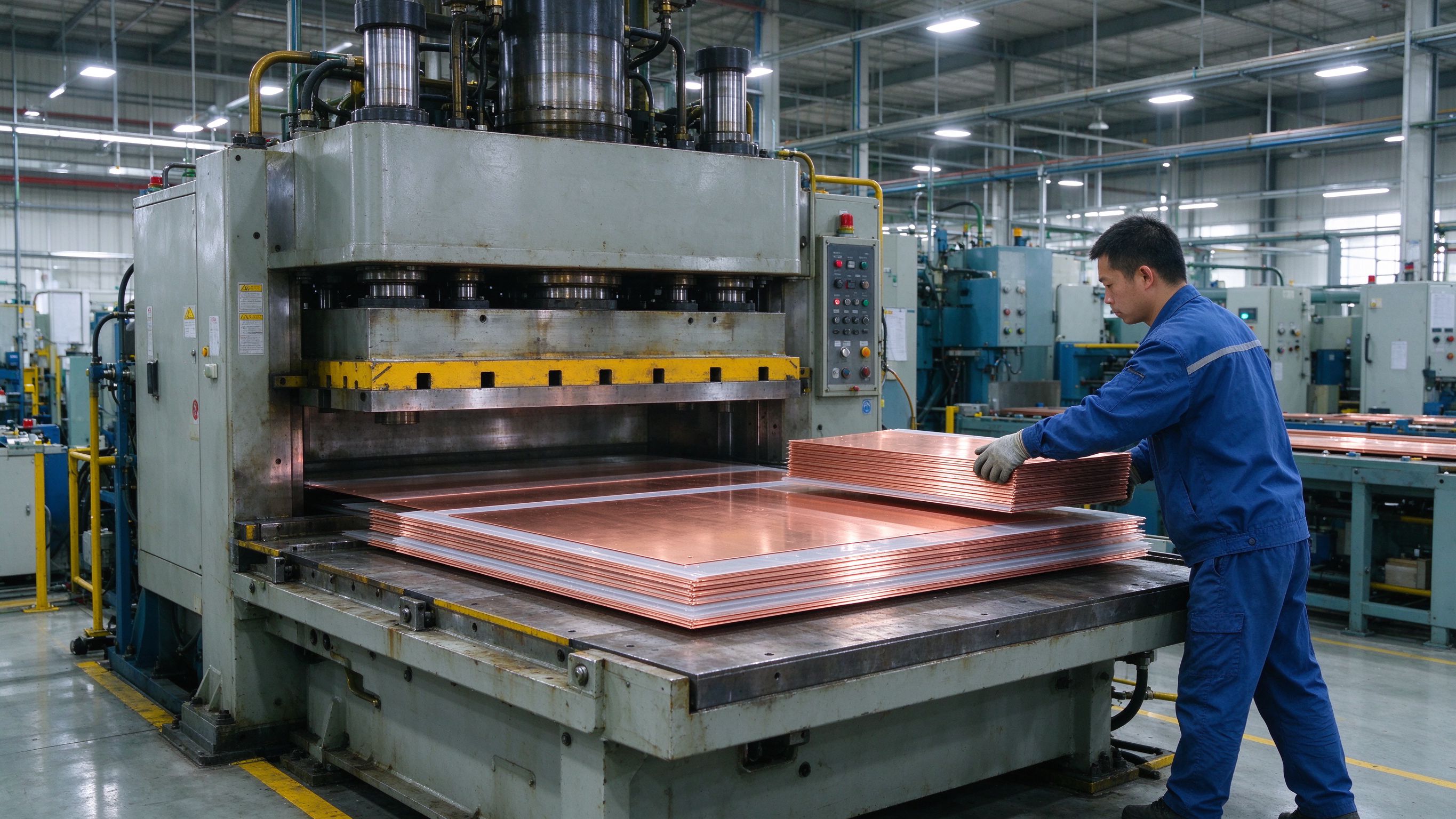
A laminated busbar is, at its core, precision-cut C11000 copper stacked with a thin dielectric and plated at the terminals. The copper itself is by far the most expensive line item. A typical estimate: copper cathode and sheet accounts for 60-80% of the material cost, dielectric film (PET, Nomex, or epoxy DLF) for 5-10%, plating (tin) for 2-5%, and processing for the remainder. When copper moves 10%, the busbar moves roughly 6-8% — before any FX or labor effect.
This is why a transparent custom busbar quote should split material from processing. A quote that bundles everything into one number hides the copper exposure. A good busbar OEM will quote copper as a pass-through tied to a published benchmark (LME 3-month or COMEX), with a fixed processing fee on top. That way, when copper moves, both sides see the move rather than one side absorbing it.
C11000 is the grade that matters. It is the standard oxygen-free high-conductivity copper used in electrical busbar work, with consistent conductivity and good stamping and lamination behavior. Aluminum is available as a weight-saving option on select lower-current layers, but it has roughly 60% of the conductivity and needs different joint design. For most main-current rails, C11000 copper remains the default. The price of that copper, more than any other single input, sets the laminated busbar price.
Plating is the second-most variable line. Tin plating at terminals is standard, and it protects against oxidation and improves contact reliability. The plating thickness affects both cost and contact resistance: a thicker tin layer costs more but survives more mating cycles. Nickel under-plating is sometimes specified for high-temperature applications, but it adds cost and is not needed for most EV, ESS, and data center duty cycles. Ask your busbar OEM to specify the plating system explicitly on the drawing, not just the word "plated."
Copper prices are set on the London Metal Exchange (LME) and on COMEX in New York. Both have been volatile through 2024-2025, driven by EV and grid demand, mine-supply constraints, and investor positioning. BloombergNEF, McKinsey, and the IEA all point to continued structural demand growth from electrification — EVs, heat pumps, grid storage, and data centers — while mine supply grows slowly. The base case for 2026 is a market that stays tight, with periodic spikes on news events.
What this means for a busbar buyer is simple: do not lock a multi-year fixed-price quote that absorbs copper. Either:
The demand side is what keeps the market tight. Every EV built on an 800V platform uses more copper per kilometer than a 400V car; every GWh of grid storage adds tons of busbar and cabling; every AI data center rack pulls copper into the hall. On the supply side, new mines take a decade or more to bring online, and existing deposits are grading lower. The structural imbalance is unlikely to resolve in 2026. Our companion articles on 800V EV busbar trends and ESS busbar systems show where the demand growth is coming from; this article is about how to buy through it.
Geopolitical and freight layers add noise on top of the commodity price. A busbar manufactured in China and shipped to Europe or North America is exposed to ocean freight rates, which themselves swung through wide ranges in recent years. For urgent samples, air freight is reliable but expensive; for volume production, sea freight is the default and should be budgeted into the landed cost. We recommend asking for both sea and air landed-cost options in the initial RFQ, so you can choose the right logistics mode for each phase of the program.
FX is the last quiet variable. A quote denominated in USD from a Chinese supplier is implicitly a USD/CNY bet. Over a multi-year program, a 5-10% FX move wipes out a year's worth of efficiency gains. The simplest protection is to revisit the FX assumption quarterly and agree on a rebaseline, rather than pretending the rate is fixed for the life of the program.
The overall 2026 procurement message is straightforward: buy laminated busbars from a busbar OEM that owns its lamination, quotes transparently, and ties copper to a published benchmark. Build the DFM review and the second-source qualification into the program timeline, not after the ramp starts. With those disciplines in place, copper price volatility becomes a managed variable rather than a program risk. SHANYU has been manufacturing laminated busbars in Rizhao since 2012, and we ship to EV, ESS, inverter, and data center customers worldwide by sea and air. Reach out through /contact/ or busbar@shanyo.com for a transparent quote on your next program. We offer a custom busbar quote within one working day, samples in 5-7 working days, and mass production in 2-3 weeks once drawings are frozen. Every unit ships with 100% hipot, insulation-resistance, and continuity test records, and we are happy to provide material certificates for the copper and dielectric on request. Our export team handles packing, documentation, and freight booking so your engineering team can stay focused on the program. We support both prototype builds and multi-year production contracts with transparent pricing and flexible delivery terms that scale easily with your program volume and your own specific delivery schedule requirements.
When you request a custom busbar quote, ask for the breakdown. A professional quote from a busbar manufacturer should include at minimum:
| Line Item | What to Look For |
|---|---|
| Copper grade and thickness | C11000 specified; per-layer thickness in mm |
| Dielectric | PET / Nomex / epoxy DLF named, film thickness |
| Plating | Tin plating at terminals; thickness if specified |
| Layer count | 1 to 6+ layers, geometry described |
| Material pass-through | Tied to LME or COMEX, with formula |
| Processing fee | Fixed per part, independent of copper |
| Test plan | Hipot, insulation resistance, continuity, sample plan |
| Lead time | Quote 1 day, samples 5-7 days, mass 2-3 weeks |
If a quote comes back as a single number with no breakdown, treat it as a budget estimate, not a firm price. Ask for the split before you compare suppliers. A supplier that refuses to break out copper is either hiding margin or absorbing risk it will later pass back through a change order.
Buyer tip: the cheapest quote is rarely the cheapest landed cost. Add in tooling, sample iterations, freight (sea vs air), and the cost of a second source if the first supplier cannot ramp. A slightly higher unit price from a supplier with in-house lamination and 100% test often wins on total cost of ownership.
Also watch the plating. Tin plating at terminals is standard, and the plating thickness affects contact resistance and corrosion resistance. A quote that says "tin plated" without a thickness is leaving a variable on the table. Ask for the plating spec, and ask whether it applies to all terminal faces or only the bolted interfaces.
A custom laminated busbar is a geometry-specific part. It is not a catalog SKU you can buy from three vendors on equal terms. That makes single-source risk real, especially at program ramp. Three practical de-risking moves.
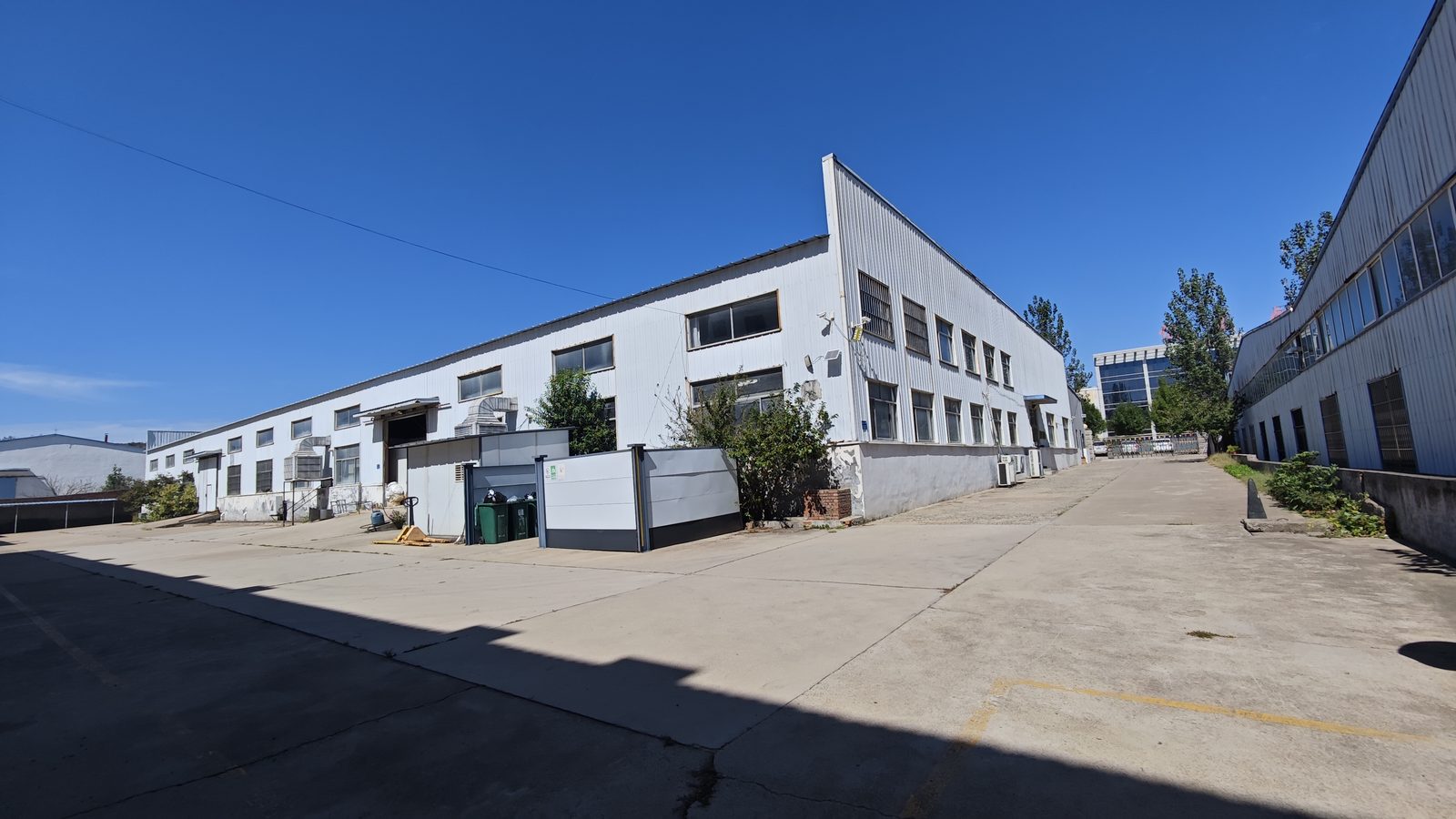
First, choose a busbar OEM that owns the lamination step in-house. If lamination is outsourced, your supplier has no control over the bottleneck step, and lead times stretch when the market is hot. SHANYU has run lamination, stamping, laser cutting, and test in our own Rizhao, Shandong plant since 2012. We do not subcontract the lamination step.
Second, freeze the geometry early. Every drawing change re-opens tooling, sample, and qualification. A DFM review before tooling catches geometry problems cheaply; a change after mass production is expensive. Our busbar design guide and DFM checklist walk through the common pitfalls. The single most expensive DFM miss is a terminal layout that cannot be torqued in the assembly space; it shows up at first article, not on the drawing.
Third, plan a second source in parallel for the long program. Even if you single-source at launch, qualify a second busbar supplier by the second production year. It protects you against capacity, geopolitical, and quality surprises. The second source does not have to be cheaper; it has to be qualified and able to ramp on 90 days' notice.
A busbar shipped from China to a customer in Europe or North America is a combination of unit price, tooling, freight, duty, and FX. SHANYU ships internationally by sea and air from Rizhao. Sea freight is the default for volume production; air freight is used for samples and urgent ramp support. When you compare quotes, make sure you are comparing landed cost, not ex-works.
Two procurement habits pay off. First, lock the FX assumption in the quote (e.g., CNY to USD at a stated rate) and revisit it quarterly. Second, agree on a price-validity window. A quote that is open-ended for 12 months is implicitly betting that copper and FX stay flat; they rarely do.
Tooling is the other line item that surprises first-time buyers. A custom laminated busbar needs stamping dies, laser programs, and lamination fixturing. These are one-time costs, amortized over the program volume. A low-volume pilot program carries the tooling as a separate line; a high-volume production program amortizes it into the unit price. Ask for both numbers up front so you can model the total program cost, not just the unit price.
If you are ready to buy laminated busbars for a 2026 program, send us the drawing or a brief sketch. We will come back with a DFM note, a transparent material-plus-processing quote, and a lead-time commitment within one working day. Reach the SHANYU team through /contact/, by email at busbar@shanyo.com, or on WhatsApp at +1 519 253 9195. Our phone line is +86 136 4542 9121.
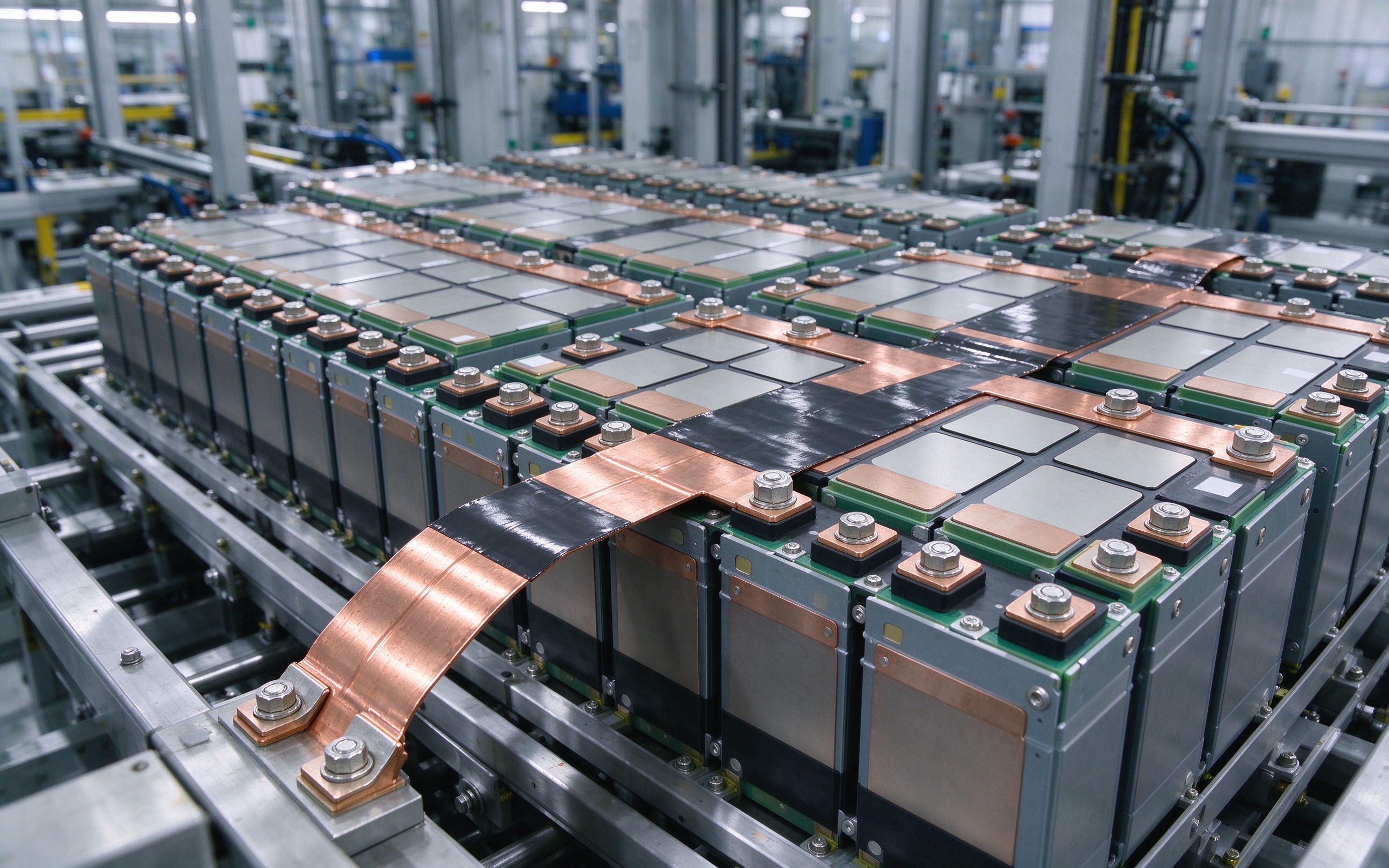
The shift from 400V to 800V vehicle architectures is rewriting the electrical layout insid
Read article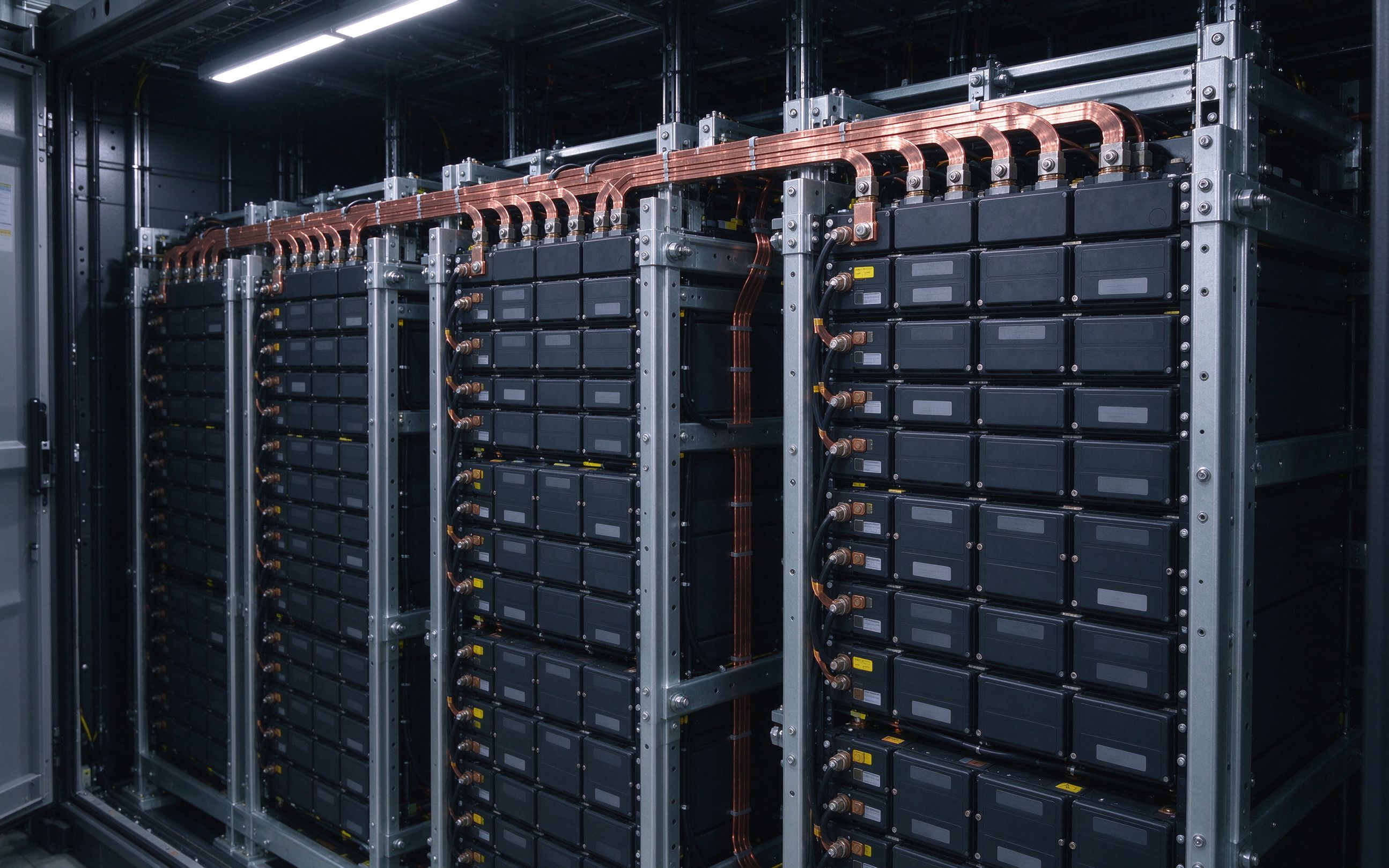
Battery energy storage systems are growing from single 20-foot racks into multi-GWh instal
Read article
Every hour spent on DFM before a custom busbar quote saves a week of rework. This is the c
Read articleSend the current profile, voltage class and terminal types — our engineers reply within one business day.
Send drawings, current ratings and voltage class — DFM feedback and a quotation within one business day.