TerraVolt Energy, a UK integrator of grid-scale battery storage, engaged SHANYUAN to supply the laminated rack busbar for its 500 Ah LFP battery cabinets in 2025. The 600 A-per-string interconnect achieved 0.5 mΩ joint resistance, passed 5000 mechanical cycles and shipped with IEC 62619-aligned documentation across 40 container projects in 2026.
This case study is published as a representative engineering project. The product photograph and released drawing are illustrative of the delivered part; exact dimensions are covered by the customer's non-disclosure agreement.
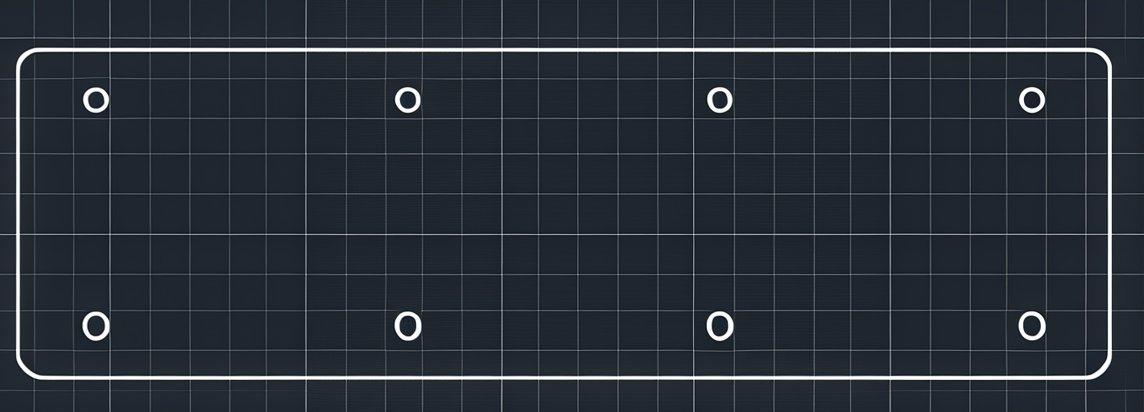
Customer drawings are treated as confidential; excerpts shown here are provided with permission and illustrate the layer stack, terminal layout and dielectric boundaries of the delivered part.
| Customer & platform | TerraVolt Energy 500 Ah LFP ESS cabinet, 51.2 V strings, 600 A per string |
|---|---|
| Busbar type | Multi-layer laminated rack busbar, C11000 copper, 2.0 mm conductors |
| Dielectric system | PET film + heat-shrink end caps, 1.5 kV hi-pot per string |
| Joint resistance | 0.5 mΩ per connection, four-wire verified |
| Current rating | 600 A per string continuous, 800 A 30 min |
| Temperature rise | ΔT 25 °C at rated current, rack ambient 45 °C |
| Terminals | M8 studs + welded blade for BMS tap, tin-plated |
| Production | Container-level kits, 100% hi-pot and joint-resistance scan |
| Quantified result | 0.5 mΩ joints, 25 °C ΔT, 5000-cycle vibration, IEC 62619 aligned |
TerraVolt Energy, a UK integrator of grid-scale battery storage, engaged SHANYUAN to supply the laminated rack busbar for its 500 Ah LFP battery cabinets in 2025. The 600 A-per-string interconnect achieved 0.5 mΩ joint resistance, passed 5000 mechanical cycles and shipped with IEC 62619-aligned documentation across 40 container projects in 2026.
TerraVolt's 500 Ah LFP cabinets series strings at 600 A continuous during discharge. Their previous rack interconnect used bolted copper bars with individual cable links to the BMS tap; over several projects they saw two recurring issues — joint resistance drift after thermal cycling, and assembly errors at the string level that were hard to trace in the field.
The customer specified a single laminated interconnect per rack level that would carry 600 A, expose only the terminal faces, and integrate the BMS tap. They also required documentation aligned with IEC 62619 (safety requirements for secondary lithium cells) because their EPC customers audit the battery-rack BOM.
SHANYUAN's review covered the battery busbar range and the design guide; the mechanical fixing scheme follows the vibration and bolted-joint guide because rack-mounted parts see transport vibration throughout their life.
Each rack level uses a multi-layer laminated busbar that carries both the positive and negative string paths in one part, with the BMS tap welded as a blade terminal. The stack keeps the two polarities separated by PET film across the whole length, so accidental contact between polarity paths is physically impossible during installation.
M8 studs terminate every cell-module link; torque is specified at 15 N·m with a torque-stripe audit in production. The measured joint resistance is 0.5 mΩ per connection — stable within ±5% across 500 thermal cycles — verified with a four-wire micro-ohm meter, the same method described in the current-sharing guide.
For cell-to-cell interconnect where the customer preferred flexible links, the copper battery link pairs were supplied alongside; the rigid BMS busbar handles the tap circuits.
Temperature-rise testing ran at 600 A in a 45 °C rack ambient: the busbar reached 25 °C rise with the hot spot at the string termination, inside the 30 °C budget. The thermal management guide documents the convection assumptions used for rack mounting.
Mechanical qualification included 5000 cycles of connector plug/unplug at the string terminals and transport vibration per IEC 60721-3-2 for truck shipment. The ESS fire-safety article explains why the insulated-face design also supports the customer's arc-fault containment review — exposed copper is limited to terminal faces only.
Creepage across the PET surface follows IEC 60664-1 for the 51.2 V string voltage with generous margin: minimum 8 mm, designed at 12 mm.
Deliveries are kitted at container level: each 40-foot container project receives pre-stripped, torque-audited busbar sets with a per-part hi-pot certificate and a joint-resistance scan record. The factory tour shows the lamination and hi-pot stations used for this line.
In 2026 the customer ordered rack busbars for 40 container projects, totalling roughly 21 000 parts. Field joint-resistance sampling after installation has stayed below 0.6 mΩ across the first ten projects, confirming the torque and plating controls. The supplier evaluation guide and the ESS busbar systems article give the procurement context behind this award.
All documentation was aligned with IEC 62619, and the customer's EPC audit pass rate for the busbar BOM was 100% in the first three projects.
The delivered rack busbar met every target: 600 A per string continuous with 25 °C rise in 45 °C ambient, 0.5 mΩ joint resistance stable across 500 thermal cycles, 5000 mechanical cycles, and IEC 62619-aligned documentation accepted by the customer's EPC audits.
Assembly time per rack level dropped from roughly 25 minutes (bolted bars plus cable links) to 9 minutes for one laminated part, and field traceability improved because each busbar carries a serial number tied to the batch test dossier.
For ESS integrators sizing rack interconnects, the energy storage application page, the high-current battery module busbar and the engineering contact form are the practical starting points.
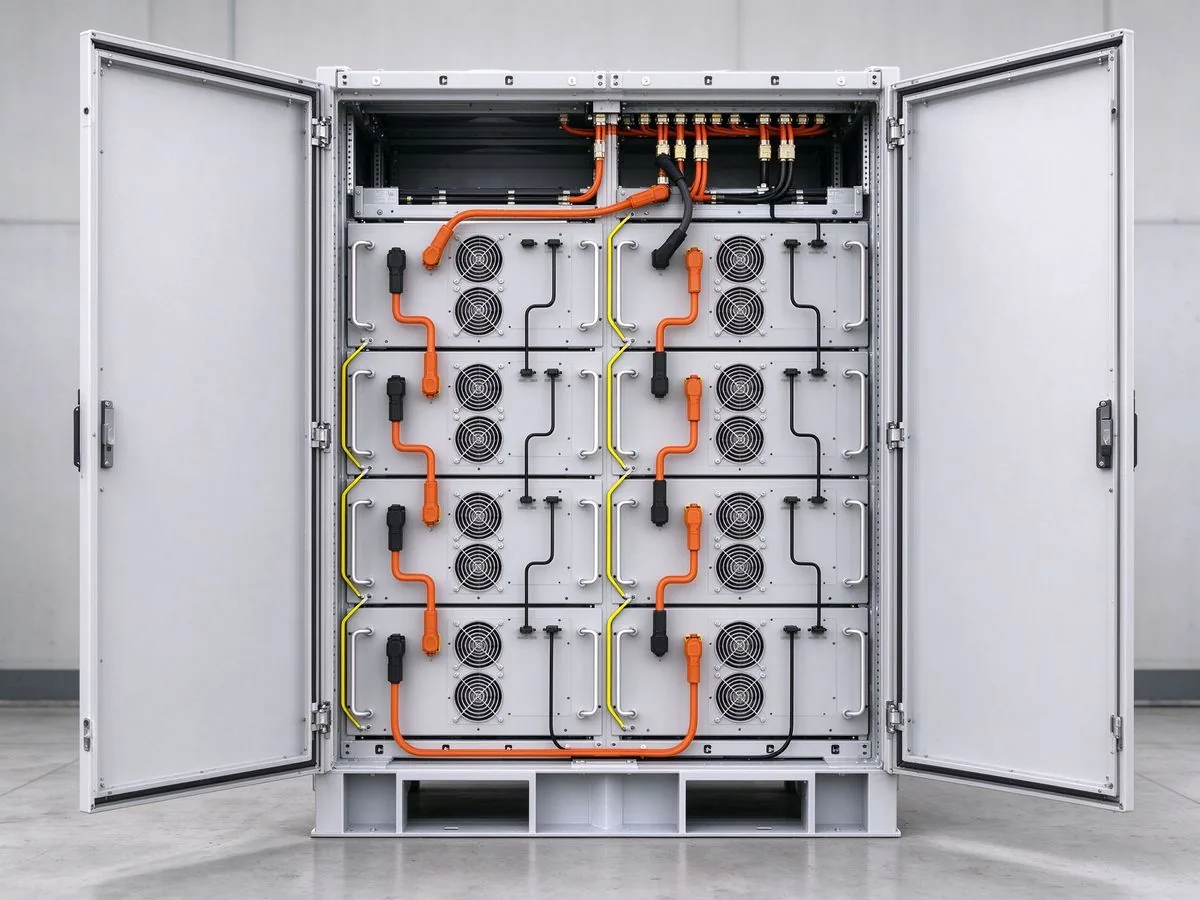
Battery energy storage systems are growing from single 20-foot racks into multi-
Read article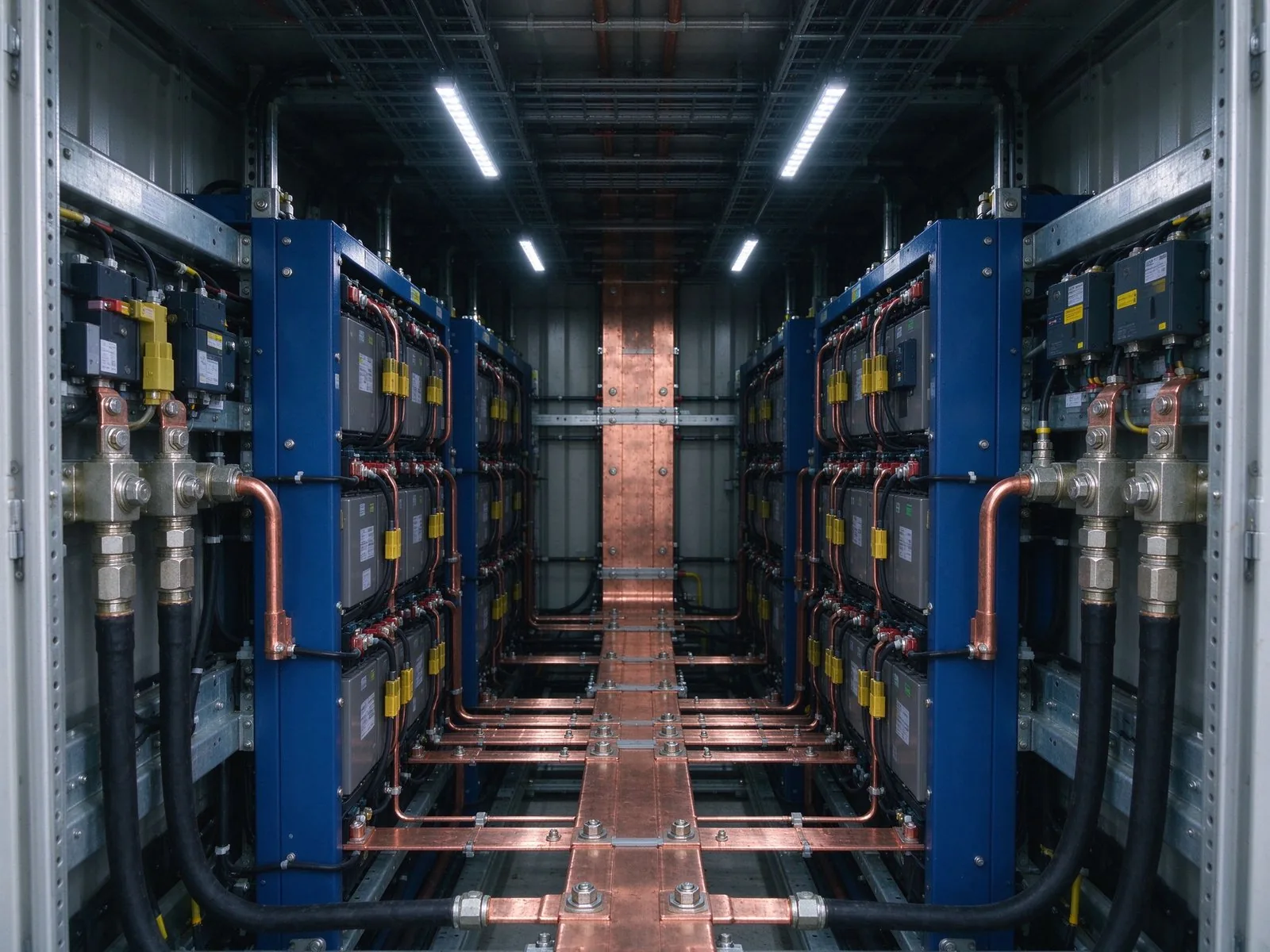
UL 9540A Ed.6 (published March 2026, effective January 2027) adds a large-scale
Read article
Aiko Tanaka is application engineering manager at SHANYUAN, with 11 years in applying laminated busbars to data centres, energy storage and new-energy systems. She leads application selection, custom-profile development and project delivery, and holds a B.Eng. in Electrical Engineering from the Univ
Send the current profile, voltage class and terminal types — our engineers reply within one business day.