On April 6, 2026, the United States revised its Section 232 tariffs on steel, aluminium and copper. For the busbar trade the change is not a headline — it is a landed-cost event. Semi-finished copper articles now carry 50% duties and a wide band of derivatives 25%, calculated on the full customs value of the imported article, not just the embedded metal. The White House fact sheet frames it as a national-security measure to bolster domestic smelting; for a buyer of laminated busbars it means the price you quote in January is not the price you pay in June unless the RFQ is written to absorb it.
On April 6, 2026, the United States revised its Section 232 tariffs on steel, aluminium and copper. For the busbar trade the change is not a headline — it is a landed-cost event. Semi-finished copper articles now carry 50% duties and a wide band of derivatives 25%, calculated on the full customs value of the imported article, not just the embedded metal. The White House fact sheet frames it as a national-security measure to bolster domestic smelting; for a buyer of laminated busbars it means the price you quote in January is not the price you pay in June unless the RFQ is written to absorb it.
The proclamation signed on April 2, 2026 and effective April 6 restructured Section 232 treatment for steel, aluminium and copper. Copper semi-finished products — strip, bar, rod and plate — moved to a 50% tariff tier, while a broad band of derivative products such as machined and plated copper assemblies landed at 25%. Two details matter more than the headline rates. First, the duty is assessed on the full customs value of the imported article rather than only the embedded metal value, which is a structural change for assemblies like a laminated busbar whose value includes lamination, plating and machining. Second, a carve-out drops the rate to 10% for industrial equipment and grid-supporting products that incorporate US-certified smelted raw materials, and several clean-energy component categories sit at 20%.
For a laminated busbar, the practical reading is that a Chinese-manufactured bar with Chinese copper enters the US market at 25-50% depending on how the article is classified, while the same bar built with copper from a certified US smelter can enter at 10%. The tariff gap is large enough to restructure sourcing decisions.
Busbars are copper-intensive by design. A 1,000A laminated busbar in C11000 ETP copper contains several kilograms of metal, and the metal is a majority of the product's material cost. When the duty base is the full customs value, lamination and terminal machining get tariffed as part of the article, which is a different economics than a raw copper import duty. Copper versus aluminium substitution maths changes too: an aluminium busbar at a lower tariff tier becomes more attractive for non-current-critical applications, though aluminium's higher resistivity and larger cross-sections limit where it can substitute.
The second exposure is classification. Copper bar vs copper assembly vs busbar subassembly can sit in different HTS lines with different rates, and misclassification is a customs risk that lands on the importer. Buyers in 2026 are spending real money on tariff engineering — confirming the correct HTS code, the country of origin of the metal, and the smelter certification before the first container ships.
The most consequential clause for busbar buyers is the reduced rate for articles incorporating US-certified smelted raw materials. To qualify, the copper (or aluminium, or steel) inside the product must trace to a smelter listed on the certification register maintained for the Section 232 program. That changes the supplier conversation from 'which country do you manufacture in' to 'which smelter does your strip come from'. Busbar manufacturer selection now includes a supply-chain audit step that did not exist in 2024.
The audit is not trivial: the certification applies at the metal level, so a manufacturer who buys certified strip for one product line and uncertified for another must segregate inventory and keep paper trails. Our plant in Rizhao keeps copper strip certificates on file per lot, and we attach the smelter origin to every sample-to-series documentation pack. Buyers should ask for that document in the RFQ, not after the first shipment.
Tariffs are only one layer of landed cost. Freight, insurance, broker fees, and the cost of carrying inventory while customs clears all sit on top. When the duty base expands to full customs value, the comparison between 'import finished busbar' and 'import copper, manufacture locally' shifts decisively toward the latter for US OEMs. Several inverter and EV pack makers announced 2026 supply-chain reviews after April, and the pattern is consistent: keep final assembly near the customer, import certified copper, and buy the power electronics busbar blank from a manufacturer who can export a semi-finished article at the lower tier.
That strategy has its own frictions — local lamination lines, plating shops and test equipment are not free — but the arithmetic works at scale. For smaller buyers, the practical alternative is to negotiate a landed-cost quote: ask the busbar supplier to quote DDP with the tariff line identified, or to restructure the sale as separate metal and processing invoices so the customs value reflects the actual composition.
The 2026 RFQ is not your 2024 RFQ. Add a tariff clause that states who bears Section 232 cost if rates change between quote and shipment, a metal-origin clause requiring smelter certificates, and an HTS classification statement from the supplier. Our supplier evaluation guide has been updated with these clauses and a scoring matrix that weights supply-chain transparency alongside price and lead time.
The second change is the quotation structure. Fixed-price quotes for 12 months are getting harder to get on copper-heavy products; suppliers are moving to metal-index formulas or price windows. A custom busbar quote in 2026 should state the LME reference date, the smelter origin, and the tariff assumption — if the supplier cannot state all three, the quote is not comparable with one that can.
The certification register is the ground truth for the carve-out, and it has consequences down the supply chain. A US OEM buying busbars from a Chinese manufacturer must verify that the copper strip in the busbar came from a certified smelter; the manufacturer must be able to trace strip lots to coil certificates; and the importer should keep the paper trail for three years because customs audits look backwards.
This is why we publish lot-level certificates with every battery busbar and power electronics busbar shipment: the buyer's customs broker needs the smelter origin to claim the reduced rate. If your supplier cannot produce a coil certificate with smelter identification, assume the full 50%/25% rate applies and price accordingly.
EV battery packs, energy storage racks and inverter cabinets all contain laminated busbars, and all three programmes are tariff-sensitive in the US market. An EV OEM planning a 2027 platform can either absorb the duty, relocate the busbar, or redesign around it. Storage programmes are even more exposed because ESS DC-link busbar content per MWh is fixed and the market is price-competitive at the container level.
The redesign lever is real but slow. Moving from a copper busbar to an aluminium or hybrid conductor changes thermal and impedance budgets, and qualification cycles take quarters, not weeks. For 2026 deliveries the practical play is sourcing and classification, not redesign; for 2027 programmes, both levers are in play.
Several categories of clean energy components landed in a 20% band rather than the full derivative rate, including grid-connected storage and certain inverter subassemblies. Whether a laminated busbar qualifies depends on its end use and how it is declared — a busbar shipped as a discrete article for general industry is treated differently from a busbar included in a certified clean-energy assembly. The line between 'component' and 'article' is where customs rulings are being written in 2026.
Buyers should not self-certify this. A binding customs ruling or a ruling request through counsel is the safe path, and suppliers who ship to the US market should maintain the test data that supports their classification — material composition, function, and the product literature that describes end use. We keep that file current for export compliance across markets precisely because classification questions are recurring.
The Section 232 finding extended further in October 2026, covering imported wind turbines, their components and inverters used to convert wind power. That pulls wind converter busbar demand into the same compliance conversation: an offshore wind nacelle's DC-link busbar is a turbine component, and its country-of-origin and metal-origin now carry tariff exposure.
The pattern across steel, aluminium, copper, and now turbines is the same: the US is willing to use trade policy to push manufacturing and smelting onshore. Suppliers who can document certified metal and flexible origin will be the preferred vendors for US-bound projects; suppliers who cannot will be priced out of competitive tenders regardless of engineering quality.
Before the next purchase order, verify four things: the HTS classification of the busbar article; the smelter origin of the copper; whether the end product qualifies for the clean-energy or certified-metal tier; and the tariff assumption in the supplier's quote. Each has a document, and each document changes the landed cost by enough to matter at container scale. Our procurement guide lists the paperwork pack in one place.
The fifth verification is the supplier's own export compliance. A manufacturer who has shipped into the US for years should have the certificates and the classification logic ready; one who is new to the market will learn on your schedule, and that schedule is the expensive one. Ask for a compliance summary with the quote and you will separate the field quickly.
Mostly, no — tariffs change sourcing, not physics. The same C11000 copper, PET/Nomex/DLF dielectrics and 30°C temperature-rise design that served a 2025 project still serves a 2026 project. What changes is where the metal comes from, how the article is classified, and who absorbs the duty. Design guides do not need rewriting; procurement playbooks do.
The one design consequence is cost-driven substitution pressure. At sustained 50% duty on copper articles, OEMs will re-examine copper vs aluminium for non-critical circuits, and they will ask for ampacity re-derivation at higher currents. We expect the aluminium busbar conversation to grow in 2027 without displacing copper where resistance and space matter.
Classification is the first and most technical step of tariff engineering. A copper strip enters under one HTS line, a plated and machined busbar subassembly under another, and a complete busbar sold as part of an inverter kit under a third. The difference between lines is often a percentage point or two on the base rate, but under the 2026 structure the spread between the semi-finished and derivative tiers is 25 points — large enough that a wrong classification line costs more than freight.
The discipline starts at the product definition. The importer and the supplier should agree on the article description, the material composition, the function, and the tariff line before the first proforma invoice. We maintain an HTS reference for our multi-layer laminated busbar and welded busbar assembly families so that buyers can hand their broker a defensible starting point instead of a guess. A broker with a clean description files faster and disputes less.
Who pays the Section 232 duty is a commercial question, but the structure decides it. An FOB quote puts the duty and customs risk on the buyer; a DDP quote makes the supplier carry them — and the supplier will price the risk in. The 2026 middle path is a split structure: the supplier quotes the article ex-works, identifies the tariff line and the assumed rate, and the buyer's broker confirms the classification and pays the duty on arrival. That way neither side prices blind.
The second structure is separate metal and processing invoices. If the busbar supplier exports certified copper strip as one article and the processing (lamination, plating, machining) as a service, the customs value reflects composition rather than a lumped assembly price. It is a legitimate structuring choice when the metal and the processing genuinely flow separately, and it materially reduces the tariff base. Our supplier evaluation guide includes a checklist for evaluating such proposals.
The most durable answer to the tariff is to move the metal. Busbar manufacturers can buy certified copper strip for US-bound orders, keep it segregated from other lots, and attach the smelter certificate to the export pack — turning a 50% exposure into a 10% one for qualifying articles. That changes the supplier selection criteria: a manufacturer's ability to source and trace certified metal is now a commercial capability, not a compliance footnote.
The second alternative is semi-finishing: export a flat laminated blank (lower value, lower tariff tier) and machine terminals at a US partner shop. It adds a second supply chain and a second qualification, but it also adds optionality that pure-finished-goods buying lacks. OEMs that run both lanes — finished busbar for fast projects, semi-finished for programme volumes — have a hedge that single-lane buyers do not. Talk to our custom busbar team about the semi-finished lane options.
Tariff policy moves on political calendars, not procurement calendars, and 2026 has proven that a proclamation can change the economics of a container mid-transit. Buyers are responding with shorter quote windows, metal-index-linked pricing, and safety inventory at the point of import. A 90-day fixed-price quote protects the buyer while the copper index and the tariff rate stay within agreed bands; beyond that, the risk sits on one side or the other, and the contract should say which.
Inventory strategy is the blunt instrument: ordering before an announced rate change and holding three months of busbar stock at the US warehouse is a common 2026 play, but it ties up capital and assumes the rate holds. The sharper instrument is the price-window clause, where both sides accept a defined adjustment formula rather than a renegotiation. Our sample-to-series procurement page covers how these clauses interact with prototype lead times.
US Section 232 is not the only tariff regime reshaping busbar supply chains in 2026. The EU Carbon Border Adjustment Mechanism (CBAM) applies to aluminium and, from the 2027 transition phase, copper-intensive goods, requiring importers to declare embedded emissions. Buyers serving both markets now need two data packs: smelter origin for the US and emissions per tonne for the EU. Our EU battery regulation article covers the battery side of this compliance stack.
The practical takeaway is that metal traceability is becoming the shared backbone of trade compliance everywhere — origin for the US, carbon for the EU, conflict-free and recycled content for customers who audit ESG. A busbar supplier who maintains lot-level metal records satisfies all of these with the same document. That is the quiet structural shift behind the 2026 tariff noise, and it rewards suppliers who treat certificates as product data, not paperwork.
LME copper spent 2026 oscillating around levels that make every kilogram of busbar metal a budget line. Between tariff announcements, smelter supply news and the storage build-out, month-to-month moves of several percent became routine. For a buyer, the practical consequence is that the metal content of a battery busbar quote can swing by more than the fabrication margin in a single quarter, which is exactly why fixed-price blanket orders for copper-heavy assemblies are disappearing from the market.
The countermeasure is transparency, not hedging heroics. A quote that states the LME reference date, the copper content in kilograms, and the index formula lets the buyer compare suppliers on fabrication value rather than metal speculation. Our copper price guide walks through the index-clause formats we see in practice, from simple pass-through to capped bands, and how each shifts risk between buyer and supplier.
Are laminated busbars classified as semi-finished copper or derivatives? It depends on the article and its end use; most machined/plated assemblies sit in the derivative band, and the classification should be confirmed per product. Can the certified-smelter rate apply to a Chinese manufacturer's product? Yes, if the copper strip traces to a US-certified smelter and the documentation supports it. Should I delay orders until the policy settles? Policy will keep moving; orders should be structured with tariff clauses so both sides share the uncertainty. How do I get a compliant quote? Ask for LME reference date, smelter origin and tariff assumption in writing. Contact our procurement team for a landed-cost quote.
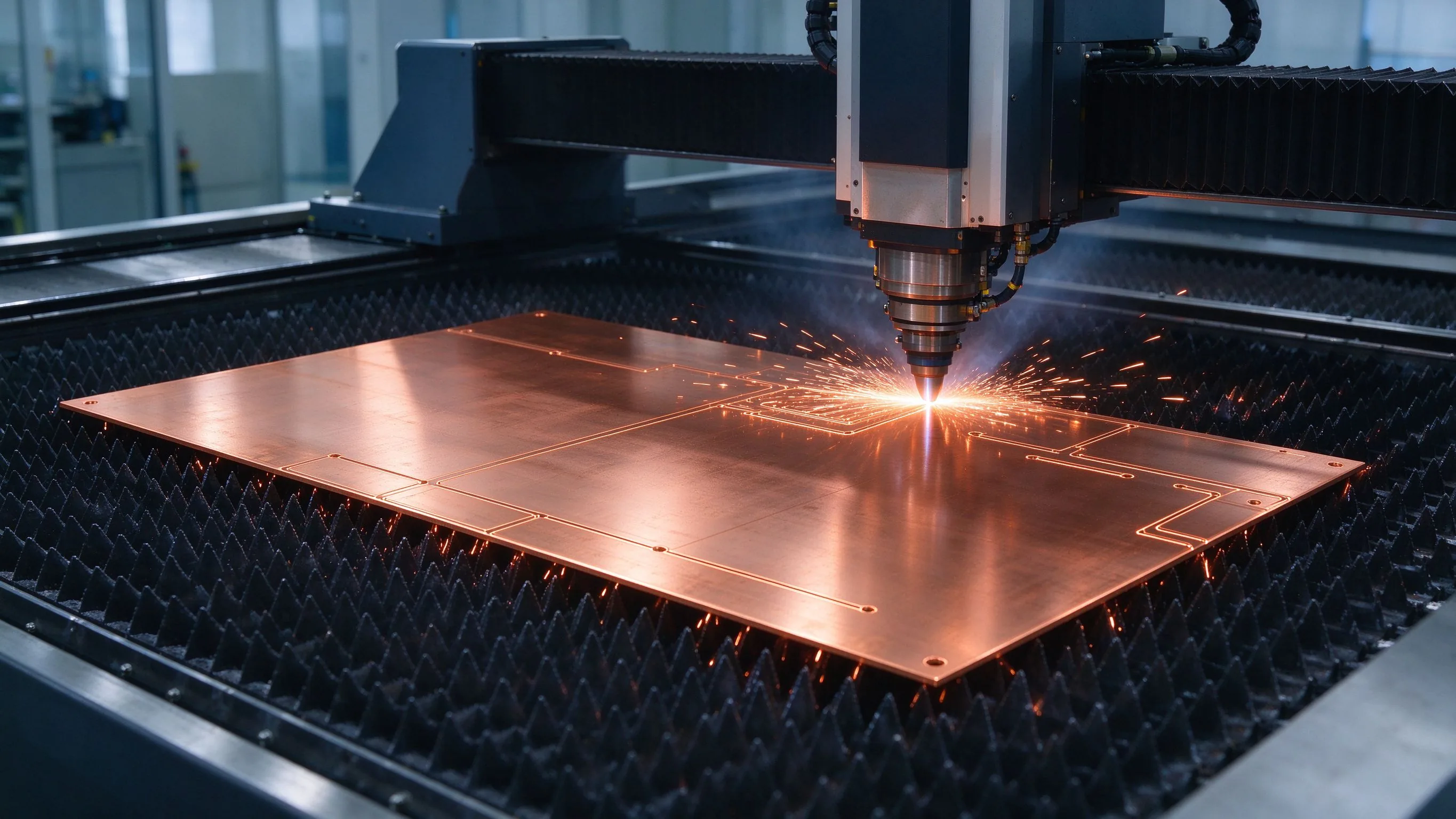
Copper is the largest cost driver in a laminated busbar. This 2026 buyer's guide explains
Read article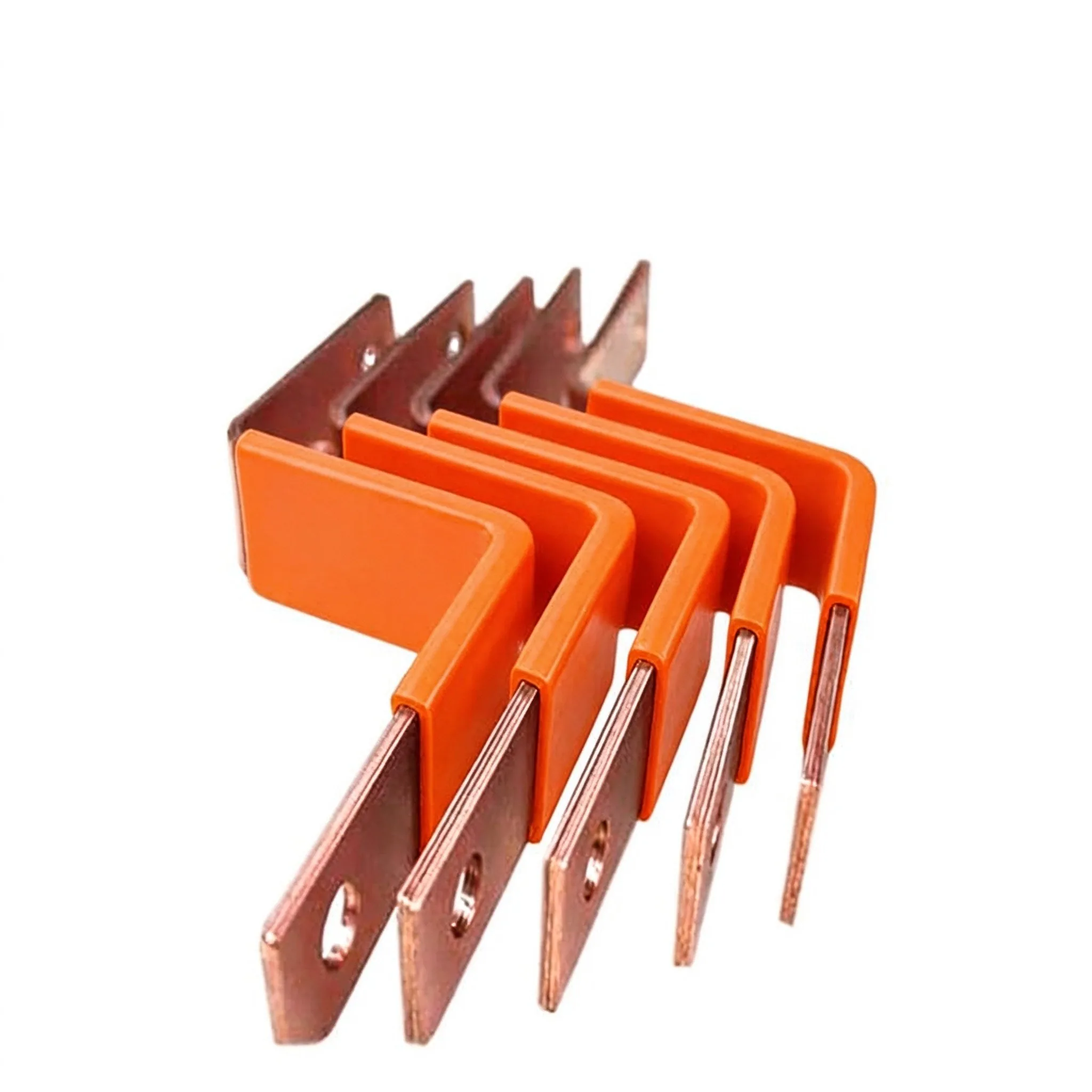
Buying a laminated busbar is not like buying a standard connector. The part is custom, the
Read article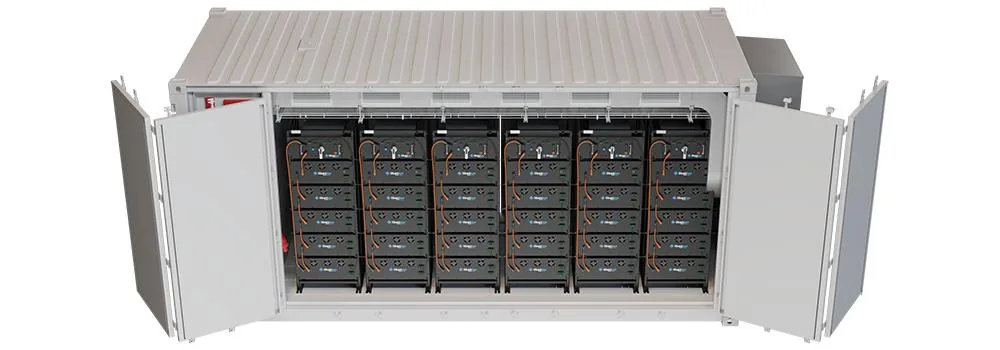
Commercial and industrial storage is the fastest-growing segment of the 2026 battery marke
Read article
Lucas Meyer advises procurement and supply-chain teams on copper sourcing, busbar pricing and supplier evaluation, with 13 years in industrial metals and electrical-component procurement. He developed SHANYUAN's copper-price quotation model and cost-breakdown framework for busbar projects. He h
Send the current profile, voltage class and terminal types — our engineers reply within one business day.