For two decades US grid demand was flat; since 2023 it has grown near 3% a year, and the supply chain did not keep up. Tariffs on copper and steel, a DOE supply-chain programme and a queue of new transformer plants are now forcing a restructuring — and busbar, as a copper-heavy, lead-time-sensitive component, sits right in the middle of it.
For two decades US grid demand was flat; since 2023 it has grown near 3% a year, and the supply chain did not keep up. Tariffs on copper and steel, a DOE supply-chain programme and a queue of new transformer plants are now forcing a restructuring — and busbar, as a copper-heavy, lead-time-sensitive component, sits right in the middle of it.
After nearly 20 years of flat electricity demand, the American grid is facing load growth of close to 3% a year since 2023, driven mainly by data centers and reshored manufacturing (US DOE, 2026). The equipment that underpins the grid — transformers, circuit breakers, substation components, power electronics — did not have the installed capacity to respond.
The DOE's own estimate: the US imports about 80% of its power transformers and roughly 50% of its distribution transformers, with Mexico, Canada and China together supplying about 80% of those imports (US DOE, 2026; DistroForge, 2026). Some transformer prices rose 4-9 times over five years, and lead times stretched past two years.
Busbars are not transformers, but they ride the same wave. A distribution transformer, a switchgear line-up and a data center feeder all terminate in copper busbar, and when transformers gate a project, the rest of the electrical package — including the busbar order — moves onto the critical path.
Tariff policy reached directly into busbar pricing in 2025. Section 232 duties placed a 50% rate on copper (August 2025), steel (June 2025) and aluminum imports, with a Section 122 10% surcharge on other imports from February 2026, and steel/aluminum content rules of 25-50% on finished goods (DistroForge, 2026).
Copper is the raw material of every copper busbar, and laminated busbar is copper by the kilogram. The tariff raised the landed cost of imported winding and bar copper and, combined with LME price moves discussed in our copper-price supply article, pushed fabricators to reprice open-ended quotes. The 2026 procurement habit — capped escalation clauses instead of open-ended pricing — grew directly out of this.
For finished goods, a 10% content-rate rule for articles made entirely with US-smelted and US-cast metal creates a structural cost advantage for domestic sourcing that survives beyond the tariff's sunset (DistroForge, 2026).
The response to the shortage is now visible as physical plants. The list reads like a roll call of the industry:
None of this is instant: new facilities come online in 2027-2028 while demand is growing now. But the direction is unambiguous — the region is rebuilding its own capacity to make the copper-heavy components of the grid, including the busbar sub-assemblies those plants consume.
Any busbar buyer working with a utility or data center owner in 2026 is scheduling around transformer delivery. Industry trackers recommend placing distribution transformer or switchgear orders before mid-2027 with firm delivery guarantees, and planning power transformers to 2028 (DistroForge Lead Time Tracker, Q2 2026).
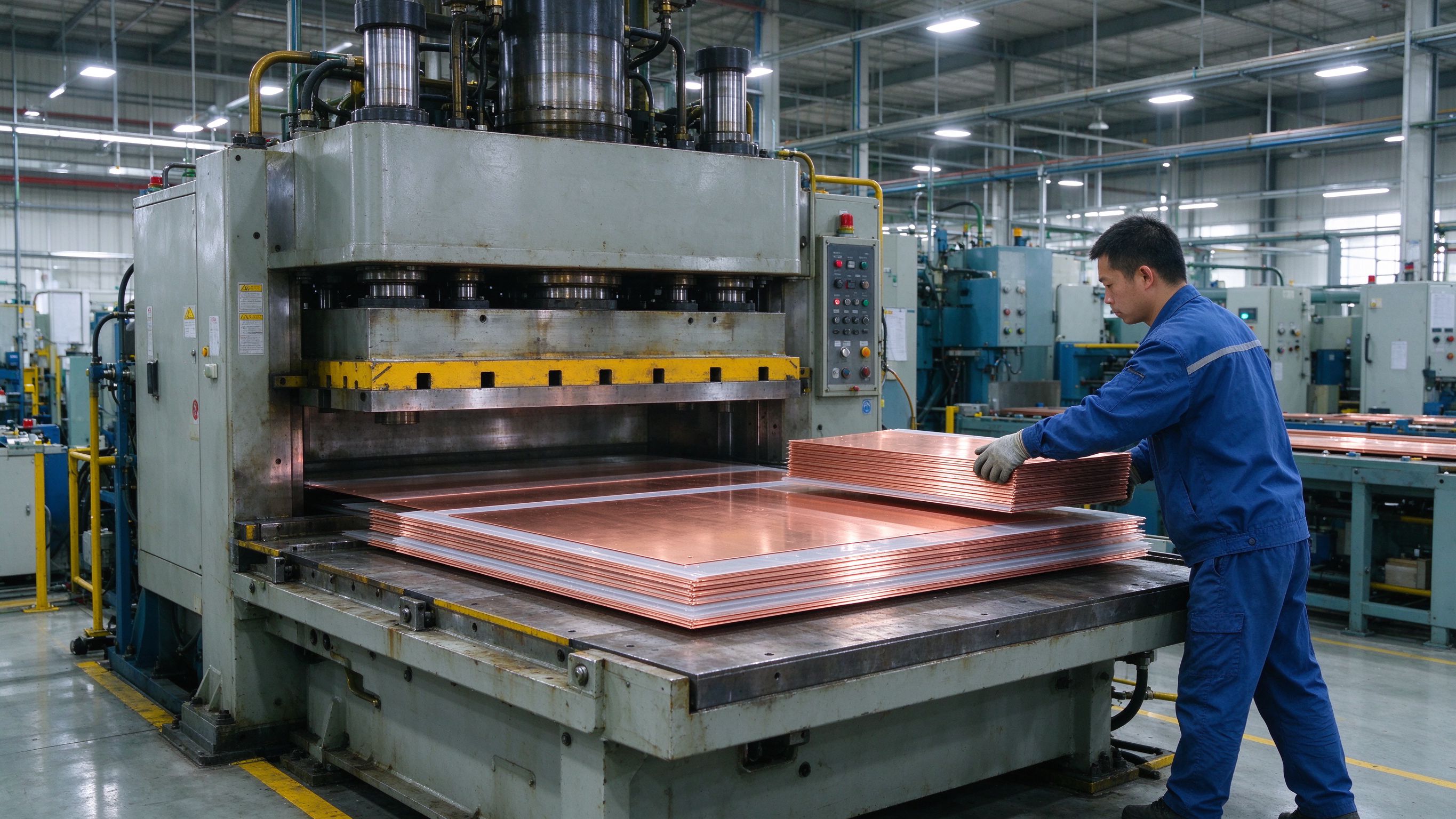
Because the busbar package is now on the critical path, the smart RFQ is issued the day the transformer order is placed, with a documented specification set that will not change mid-stream. Fabricators that can quote a firm window and hold it — rather than quoting a price band and a vague quarter — are the ones getting the grid work.
Not every component will be made on US soil, and that is where near-shoring comes in. USMCA-origin transformers are not exempt from Section 232, but manufacturing drawback under 19 U.S.C. 1313(a)-(b) can refund duties when the metal content was smelted or cast in a trade-agreement partner country — meaning transformers assembled in Mexico using Canadian-smelted steel can qualify (DistroForge, 2026).
Mexico is the fastest-growing transformer market segment in North America, pulled by nearshoring and programmes like Proyectos México (Coherent Market Insights, 2026). Canada is expanding steadily behind Ontario and Alberta grid programmes. For busbar sourcing, the practical effect is a three-node North American supply map: US domestic fabricators for tariff-exposed work, Canadian plants for insulation and laminates, and Mexican assembly for volume distribution gear. Our trade-tariff supply article covers the route-level detail.
The supply build-out is answering a demand curve that data centers dominate. DOE reports load growth near 3% a year since 2023, and orders for new gas-fired plants hit a 25-year high in 2025 with data center needs playing a significant role (IEA WEI 2026). Every AI campus needs MV distribution, PDU bus and rack-level DC busbar — the same architecture covered in our AI data center power article.
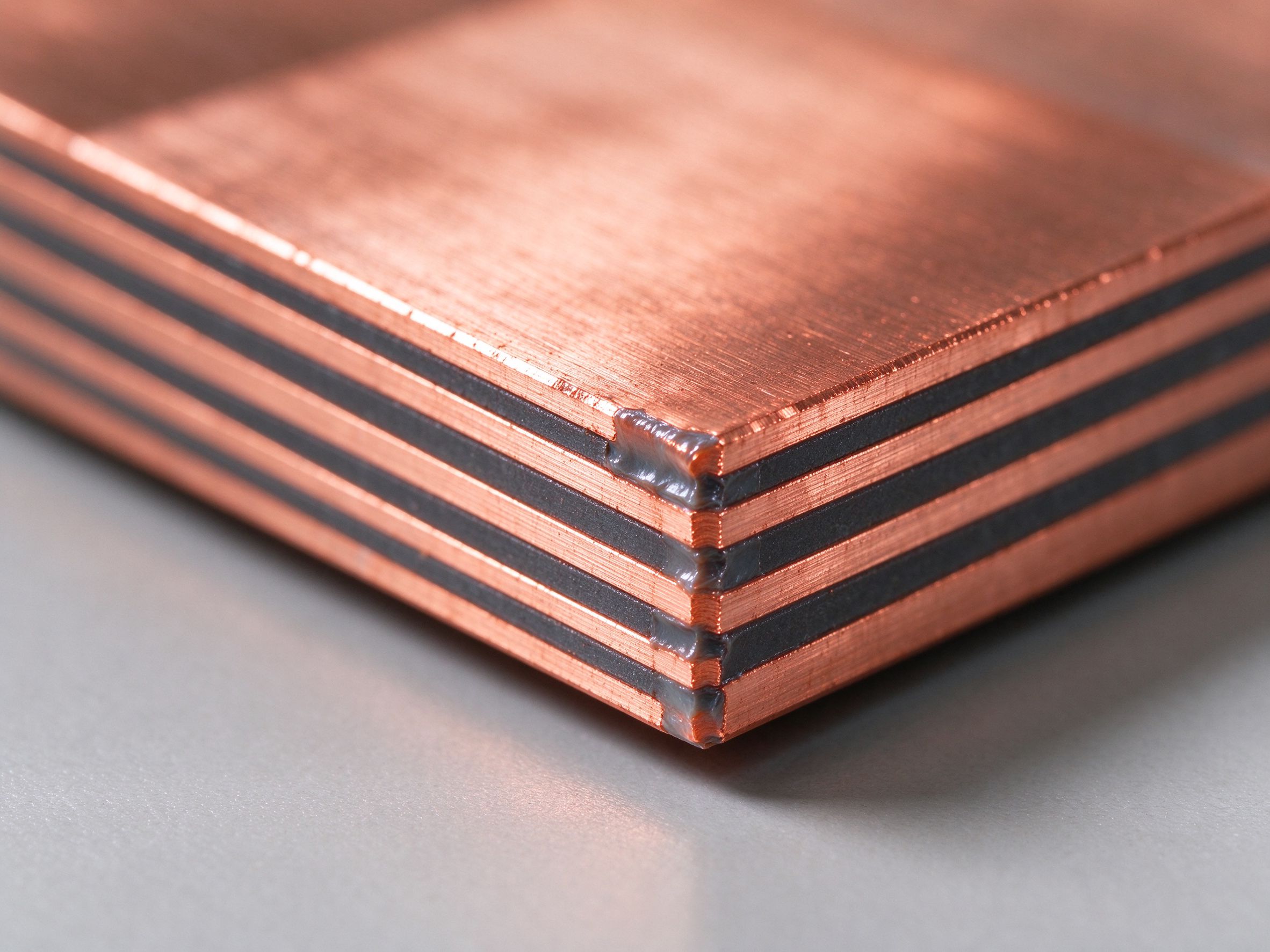
The current density is the key spec. Racks at 30-120 kW push the DC bus toward laminated multi-layer construction, because the stray inductance of the loop directly affects converter efficiency and EMI. That is a different product from the single-piece bar of a 1990s switchgear room, and it is why laminated busbar content per data center megawatt is climbing.
The reshoring wave splits into two markets with different busbar profiles. Distribution transformers and switchgear are volume products: standardized designs, tight tolerance windows, JIT delivery, and busbar that is mostly single or double bar with bolted terminations. Power transformers and large converter plants are engineering products: custom multi-layer laminated assemblies, PD-tested, with mixed terminal styles.
This split matters when qualifying suppliers. A fabricator set up for stamped volume parts may not have the lamination presses and PD test lab that a converter-station DC-link needs. The supplier evaluation guide has a scoring checklist for exactly this decision.
On the specification side, the multi-layer laminated busbar selection guide published today covers the layer-count decision that data center and converter projects keep getting wrong.
North America is not reshoring in isolation. Europe is spending a record ~USD 550 billion on grids in 2026 (IEA), covered in our European grid investment article, and Southeast Asia is building data center corridors and BESS capacity faster than either — see our Southeast Asia market article. All three regions are competing for the same copper, the same lamination capacity and the same testing laboratories.
SHANYUAN supplies 20+ export countries from 17,200 m² in Rizhao with tin-plated C11000 copper, 1-6+ layer lamination and PET/Nomex/DLF dielectrics, and our test reports travel with every grid shipment. If your 2026 programme needs busbars with a firm window and documented performance, send us the electrical envelope — current, voltage class, insulation, ambient — and we will quote against it.
The DOE's supply-chain programme explicitly promotes standardised grid equipment configurations to shorten lead times and lower cost (US DOE, 2026). For busbars that pressure flows two ways. On the volume side — distribution switchgear, MV panels, ground bars — a standardised catalogue product with a repeatable drawing wins, because it can be stocked and shipped without engineering cycles.
On the project side — converter stations, data center feeders, BESS DC-links — every assembly is still custom, but the customisation should be contained. A fabricator that holds the tooling for standard layer counts, standard stud patterns and standard plating can turn a custom envelope around without re-inventing the process each time. The fabrication tolerances guide lists the dimensional rules that keep custom parts compatible with standard hardware.
Buyers navigating the 2026 market should separate the two: identify the catalogue items that can be stocked against lead time, and reserve the engineering budget for the genuinely custom assemblies. That split is exactly how OEMs are keeping busbar off the critical path while the new transformer plants ramp through 2027-2028.
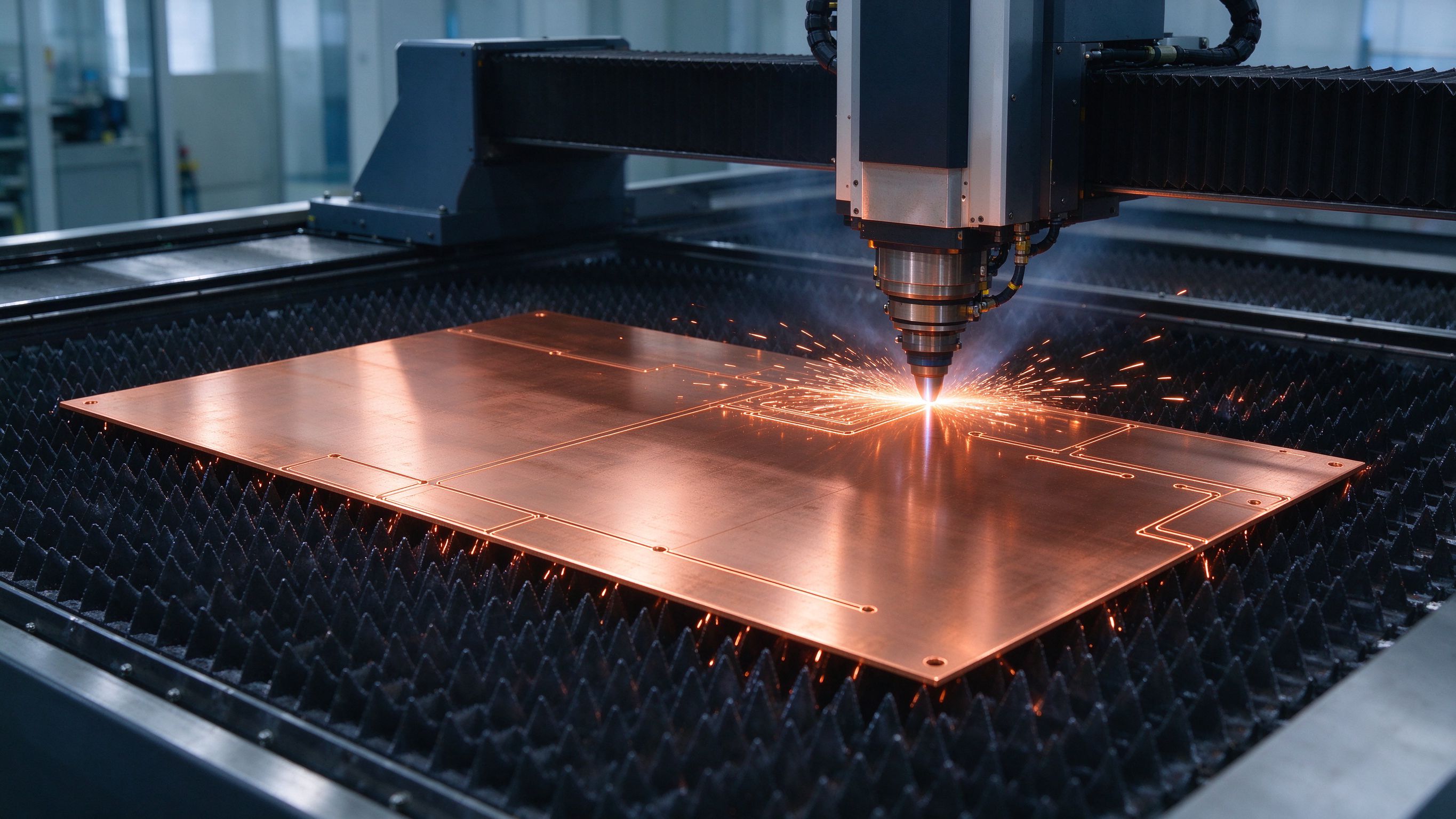
The April 2026 US Section 232 copper duties landed a 50%/25% tariff structure on busbar su
Read articleCopper is the largest cost driver in a laminated busbar. This 2026 buyer's guide explains
Read article
Lucas Meyer advises procurement and supply-chain teams on copper sourcing, busbar pricing and supplier evaluation, with 13 years in industrial metals and electrical-component procurement. He developed SHANYUAN's copper-price quotation model and cost-breakdown framework for busbar projects. He h
Send the current profile, voltage class and terminal types — our engineers reply within one business day.