Most busbar failures in outdoor, humid and coastal installations are not electrical failures — they are moisture failures wearing an electrical disguise. Condensation on a cold bar, salt ingress at a dielectric edge, or creepage bridged by wet pollution will show up as PD, leakage or a hot joint months after commissioning. For purchasing managers and engineers, the problem is that 'IP66 enclosure' and 'good insulation' are bought as separate line items, when the protection of an outdoor busbar is really one system: enclosure class, insulation system, plating, sealing and drainage working together. This guide lays out the decision framework, the comparison matrix and the RFQ checklist.
Most busbar failures in outdoor, humid and coastal installations are not electrical failures — they are moisture failures wearing an electrical disguise. Condensation on a cold bar, salt ingress at a dielectric edge, or creepage bridged by wet pollution will show up as PD, leakage or a hot joint months after commissioning. For purchasing managers and engineers, the problem is that 'IP66 enclosure' and 'good insulation' are bought as separate line items, when the protection of an outdoor busbar is really one system: enclosure class, insulation system, plating, sealing and drainage working together. This guide lays out the decision framework, the comparison matrix and the RFQ checklist.
The first rule of outdoor busbar specification is to start from the actual exposure. A rooftop inverter cabinet in a dry continental climate, a coastal PV station 200 m from the surf, and a marine deck box face completely different stress profiles. The IP code classifies protection against solids and water, but it does not capture salt load, condensation frequency, UV exposure or temperature cycling — the four factors that actually kill an outdoor busbar. The responsible approach, as enclosure engineers put it, is to select the IP target from the real water, dust, installation and regulatory exposure rather than from a marketing table.
Practically, that means writing the site conditions into the spec before choosing anything: distance from salt water, prevailing wind, rainfall intensity, expected condensation cycles per year, ambient temperature range, altitude, and the pollution degree defined by IEC 60664-1. Pollution degree 2 (non-conductive pollution, occasional condensation) and degree 3 (conductive pollution, frequent condensation) demand different creepage distances and different insulation systems — and that decision happens at specification time, not at the first teardown.
IEC 60529 (CEI 60529) defines the degrees of protection against solid foreign objects and water ingress. The first digit covers solids — IP6X means dust-tight. The second digit covers water: IP65 means protection against low-pressure water jets from any direction, IP66 against powerful water jets, IP67 against temporary immersion, and IP68 against continuous immersion under specified conditions. The practical outdoor rule: IP66 is the rating for dust-tight construction with protection against powerful water jets — driving rain and hose-down cleaning — and it is not an immersion rating. If the enclosure can be submerged, the spec must move to IP67 or IP68.
This distinction matters more than it looks. An outdoor busbar that is hosed down weekly in a dust environment needs IP66; one that sits on a flood-prone pad needs IP67; one that goes into a submersible pump chamber needs IP68. Buying IP68 where IP66 suffices adds cost and sealing complexity; buying IP66 where water pools is a warranty claim waiting to happen.
North American projects rate enclosures under NEMA ICS 6 rather than IP codes, and the two systems are not one-to-one. NEMA Type 4X is the common choice for coastal and marine environments: it provides protection against windblown dust and rain, splashing and hose-directed water, plus corrosion resistance from the 'X'. NEMA 4X is generally considered comparable to IP66 in water ingress terms, and it carries a corrosion-resistance requirement that plain IP66 does not explicitly impose.
For a power electronics busbar sold into US coastal projects, the enclosure decision is often NEMA 4X with stainless steel, and the busbar itself must then survive the same salt exposure if the enclosure is opened for service. Buyers should ask for the enclosure's NEMA type AND the busbar's own corrosion evidence — the enclosure is a shield, not a substitute for protecting the conductor.
Inside the enclosure, the busbar's protection comes from its insulation system, and the selection depends on temperature, voltage and mechanical duty. PET film is the workhorse for moderate-temperature indoor use. Nomex paper and epoxy-laminated composites (DLF) extend the temperature and PD margin for multi-layer laminated busbar construction. Epoxy powder coating is the alternative for exposed bars — it is tougher mechanically, resists condensation tracking better than bare film at edges, and provides a sealed surface that sheds moisture. The trade is that coating thickness is harder to control than film lamination, so PD performance depends heavily on process quality.
For coastal duty, the practical recommendation is a combination: laminated film insulation on the flat conductor for electrical integrity, plus an edge seal and a protective topcoat where the bar is exposed. Our surface insulation coating guide compares the options with measured thickness ranges and PD expectations — the document to read before choosing between film and coating.
Salt changes everything. In a coastal salt-spray environment, chloride ions attack copper, plating and dielectric edges, and galvanic couples accelerate the attack at dissimilar-metal interfaces. The enclosure materials themselves must be corrosion-resistant — 316L stainless steel with IP56 is the widely recommended choice for coastal electrical enclosures, and extreme environments may call for 2205 duplex steel or composites, per corrosion engineering guidance published in 2026. But the busbar inside needs its own defence: tin or nickel plating on connections, sealed dielectric edges, and no exposed copper at cut faces.
For a busbar plating decision in coastal duty, the rule is thicker plating and a corrosion barrier at every interface. Silver plating is excellent electrically but vulnerable to sulphide tarnishing in marine air; tin is the workhorse; nickel underlay adds a barrier. Our plating guide covers the layer stacks and the ASTM test methods that quantify salt-spray performance before the product ships.
The selection boils down to a small matrix. PET film: low cost, 105°C class, fine for dry and mild-humidity outdoor cabinets with good sealing; weaker at cut edges under condensation. Nomex: 220°C class, tougher, better PD margin, moderate cost — the choice for high-current and high-temperature outdoor stacks. Epoxy/DLF composite: highest mechanical robustness and moisture edge performance, higher cost and process sensitivity — preferred for marine and high-vibration sites. Epoxy powder coating: sealed surface, condensation-shedding, good for exposed single bars; PD consistency depends on coating process. Combination (film + edge seal + topcoat): the coastal recommendation — electrical integrity of lamination plus the moisture defence of sealing.
Voltage drives the same matrix: above roughly 1,000V, PD-free design becomes mandatory, and the insulation must be specified with inception voltage margin for humidity. The dielectric selection guide gives the temperature and voltage boundaries for each system.
Outdoor installations must size creepage for wet pollution, not for the clean lab values. IEC 60664-1 pollution degree 3 — conductive pollution from condensation with occasional wet conductivity — roughly doubles the creepage distances compared with degree 2 for the same voltage. A 1,500V DC bus that fits comfortably at pollution degree 2 needs materially longer creepage paths in a coastal cabinet, which changes the busbar geometry: wider dielectric margins, longer slot paths, and sometimes insulating barriers between phases.
Clearance (air distance) is set by voltage and altitude and cannot be fixed by creepage, so the design must satisfy both — clearance for the air gap, creepage for the surface path. Our creepage and clearance design guide includes the dimensioning tables and the altitude correction that outdoor specifiers need.
The busbar's terminals are the part the enclosure cannot protect. Outdoor connection points get opened, re-torqued and exposed; each opening is a corrosion and moisture opportunity. The specification should require plated connection pads, torque documentation, and a corrosion barrier at the joint — and should plan for re-torque after the first thermal season, because copper creeps under outdoor temperature swings and clamp pressure relaxes. Our connection and torque guidance covers the procedure.
Fastener selection matters more outdoors: stainless steel or plated hardware to avoid galvanic corrosion against the plated copper pad, spring washers or lock washers where vibration is present, and sealing compounds where the fastener penetrates the enclosure. A terminal machining review at design stage catches the mismatch before the first coastal installation.
Good outdoor busbar design drains, breathes and stays reachable. Mounting orientation should let condensation run off rather than pool on the bar; horizontal laminates with edge seals shed water better than vertical ones with exposed cut faces. Support spacing must respect the electrodynamic forces from fault current — a bar that flexes under short circuit will crack its insulation edge the first time the protection operates. And service access decides whether the maintenance crew will actually re-torque and inspect: a busbar buried behind a duct is a busbar nobody maintains.
The short-circuit withstand calculation feeds the support spacing decision, and the vibration design guide covers the coastal case where wind-induced vibration and fault forces combine. Both should be part of the outdoor busbar RFQ's engineering package.
Outdoor and coastal busbars should be accepted on tests that simulate the environment, not just on the standard hi-pot pass. The meaningful evidence: PD inception voltage measured at the expected humidity and temperature; salt-spray exposure on plated samples per ASTM B117 with post-test contact resistance verification; temperature-humidity cycling on the complete assembly; and mechanical vibration testing where the site is exposed. Our insulation testing guide describes the test sequence and the pass criteria that outdoor specifiers use.
The acceptance file should travel with the product: PD report, salt-spray certificate, dimensional inspection, material certificates. Buyers who accept outdoor busbars on a single hi-pot certificate are accepting a risk that will surface at the first condensation season.
Outdoor protection is a TCO decision. A marginally cheaper busbar with thin plating and unsealed edges can fail in five years; a properly specified coastal assembly — thicker plating, sealed insulation, corrosion-resistant hardware — runs twenty. The 2026 tariff environment adds another twist: copper duties and supply-chain costs are pushing buyers toward cheaper suppliers, which is precisely when outdoor specifications get quietly downgraded. The fix is a written spec that names the insulation system, the plating stack and the test file, so the savings show up where they belong — in negotiation — not in the field.
The market context reinforces the discipline: outdoor and coastal projects in storage, renewables and grid infrastructure are growing faster than indoor installations, and the OEMs that standardise their outdoor busbar spec are the ones holding warranty costs flat.
When you RFQ an outdoor or coastal busbar, provide: site exposure (distance from salt water, humidity, condensation pattern, pollution degree), enclosure plan (IP or NEMA class, drainage approach, service access), operating envelope (voltage, continuous and fault current, ambient range, altitude), insulation requirement (film vs coating vs composite, PD inception voltage at operating conditions), plating requirement (layer stack and thickness, salt-spray hours), and the test file requested (PD, salt spray, humidity cycling, vibration, material certificates).
Then ask the supplier three questions: what is the dielectric at cut edges, what is the plating on the connection pads, and what test evidence travels with the order? Our custom busbar engineering team answers all three in the feasibility review, and the quality page shows the test equipment behind the answers.
Voltage drives the outdoor insulation decision harder than any other single parameter. Below roughly 1,000V, a well-made film laminate with adequate creepage usually carries the day, and PD testing is a quality check rather than a design constraint. Above 1,000V — the 1,500V DC world of storage, wind and industrial converters — partial discharge becomes the governing limit, and the insulation must be specified with an inception voltage margin that survives humidity and altitude. A bar that is PD-free at 1,200V in a dry lab may start discharging at 900V on a foggy night at 2,500 m elevation.
The practical specification is a PD inception requirement at the worst-case operating condition: stated humidity, stated temperature, stated altitude. Our PD-free design guide explains how laminate quality — void content, edge condition, layer bonding — moves the inception voltage, and why a PD test at the wrong conditions proves nothing. Outdoor buyers should put the test conditions in the RFQ, not accept a lab-at-23°C certificate.
Sunlight attacks outdoor busbar insulation in ways indoor specs never consider. UV degrades exposed polymer surfaces, ozone attacks elastomer seals and some polymer films, and both accelerate tracking on contaminated surfaces. The answer is not thicker insulation alone — it is UV-stabilised materials on exposed surfaces, opaque jacketing where sunlight reaches the bar, and sealed edges that keep UV from degrading the film-conductor interface. Coated bars generally outperform bare film under UV because the coating shields the substrate.
Ageing also comes from temperature cycling: every diurnal cycle expands and contracts the copper against the dielectric, and after ten years a poorly bonded laminate develops micro-delamination at the edges. The design guide covers the expansion-matching choices, and the thermal design article explains why keeping the busbar cool is also a reliability strategy — every 10°C reduction roughly doubles the life of the polymer components.
A representative 2026 case: a 20 MW coastal PV station in northern Europe with DC combiner cabinets 300 m from the shore. The original spec called for PET-insulated 1,500V DC busbars in IP65 cabinets. After two seasons, three cabinets showed elevated leakage currents and one PD failure at a dielectric edge. The fix, implemented in the second half of 2026, combined four changes: cabinets upgraded to IP66 with breather-drain systems, busbars re-specified with Nomex-laminated construction and sealed edges, plating upgraded from 3 µm to 8 µm tin at the terminals, and a torque-and-inspect procedure added to the maintenance calendar.
The lesson is the one this guide keeps repeating: the failure was never the material alone — it was the system. Enclosure, insulation, plating and maintenance each contributed, and each was fixed as part of one specification review. The plating and corrosion and thermal management articles cover the same case from their angles.
Outdoor busbar programmes reward suppliers who can evidence the environment, not just the drawing. The shortlist criteria: in-house PD test capability with humidity-controlled conditions; salt-spray testing on plating; experience with sealed-edge and coated laminates; and a test file that ships with every order. Our manufacturer selection guide scores suppliers on these criteria, and the factory tour page shows the lamination and test equipment behind the claims.
The second selection criterion is engineering depth at the spec stage. A supplier who challenges a borderline RFQ — who asks what pollution degree applies, or whether the cabinet drains — is a supplier who has seen the failures. The quiet suppliers who accept every drawing without a question are the ones who will learn the environment on your warranty budget. Ask for the challenge list at the quote stage; it is a reliable signal.
Is IP66 enough for coastal cabinets? For above-ground, non-immersed equipment, IP66 is the common minimum — but it must be combined with corrosion-resistant materials, drainage and protected internal busbars. Film or coating for outdoor? Laminated film for electrical integrity plus edge sealing; coating where the bar is exposed. Does the enclosure replace busbar protection? No — enclosure, insulation, plating and sealing are one system. What is the fastest way to get a compliant quote? Send the exposure and envelope data to our engineering team and the review comes back with a dimensioned proposal and the test file.
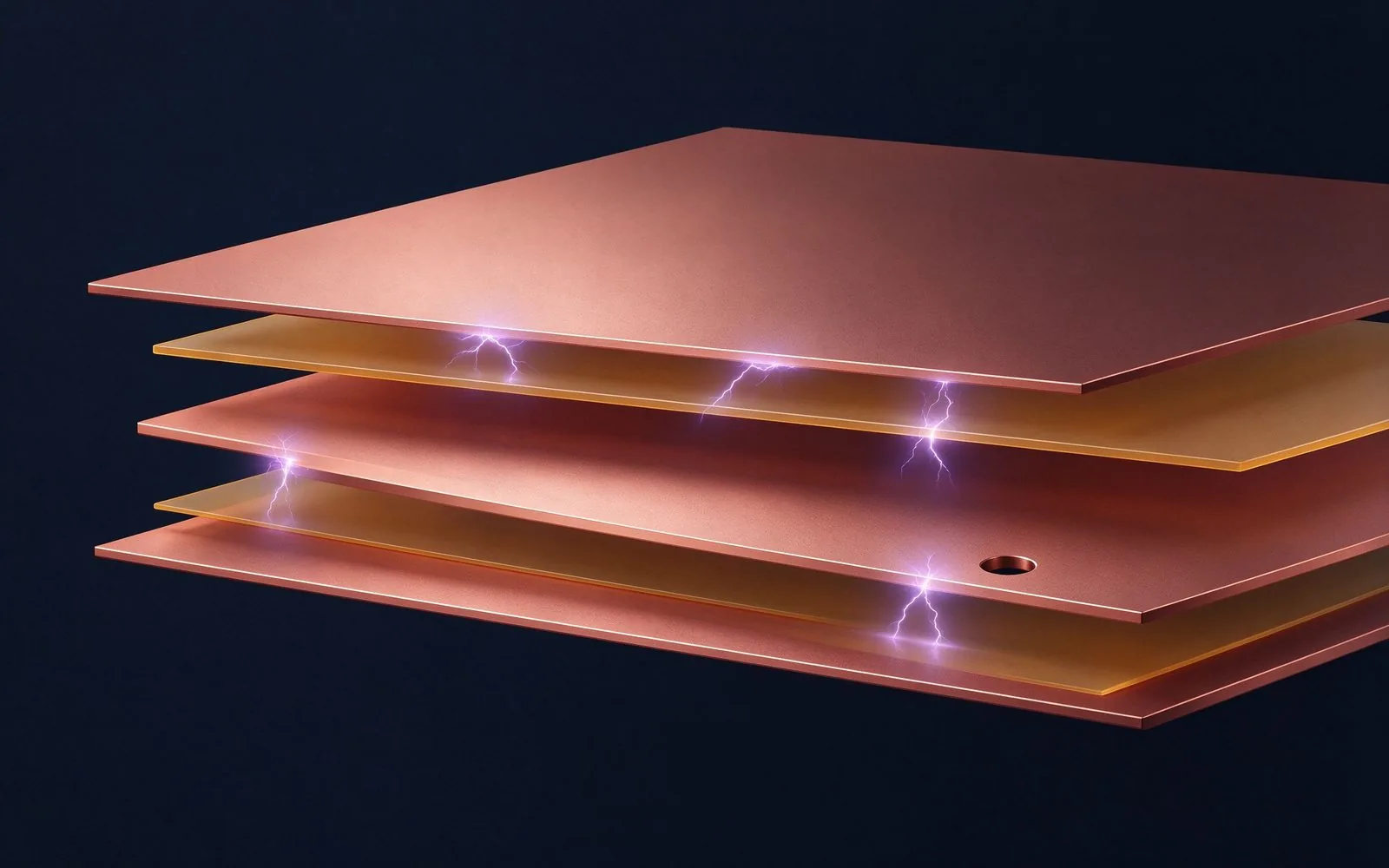
A busbar fails across a surface long before it fails through its insulation if the creepag
Read article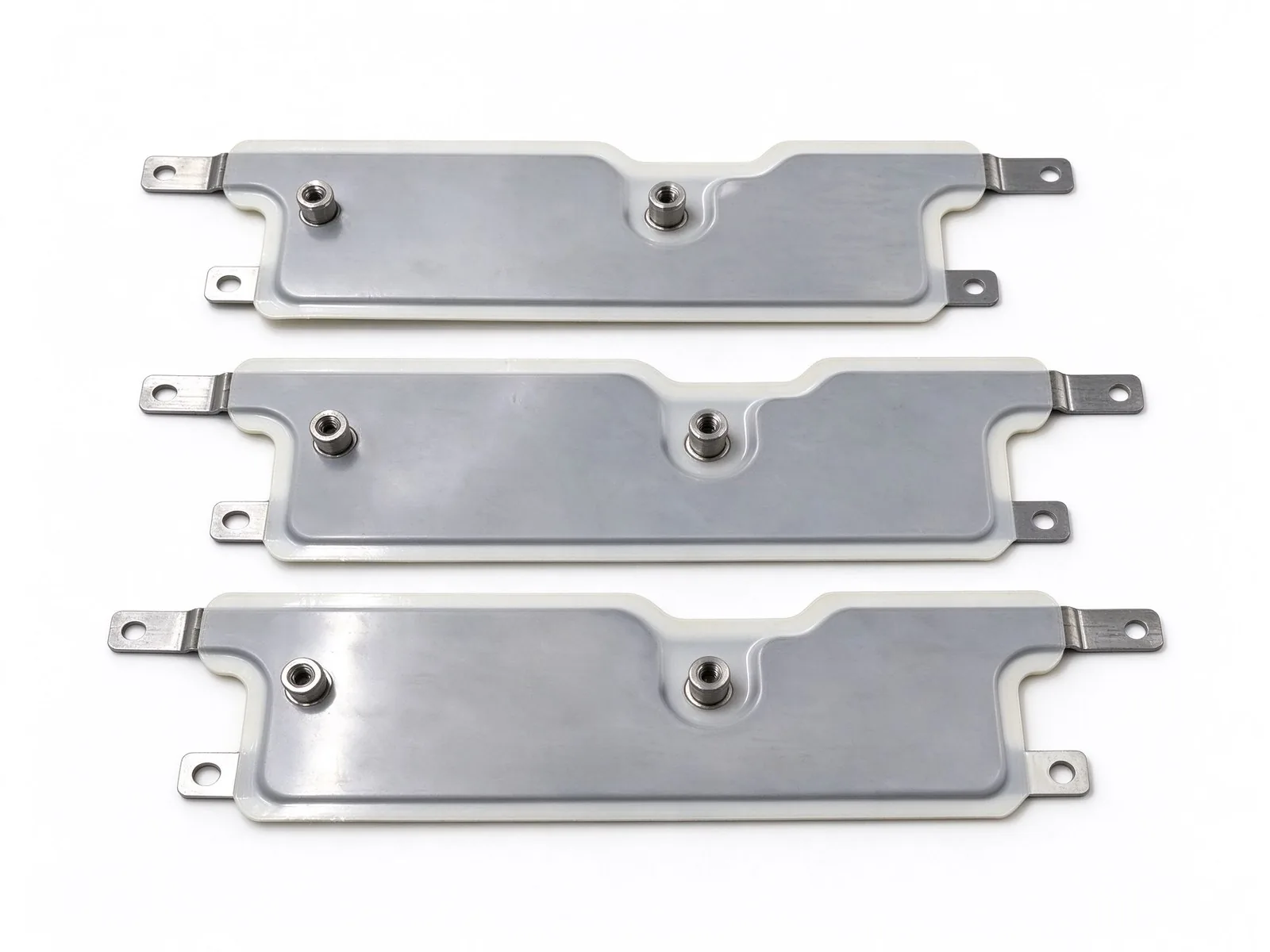
The insulation that wraps a copper busbar decides how compact the assembly can be and how
Read article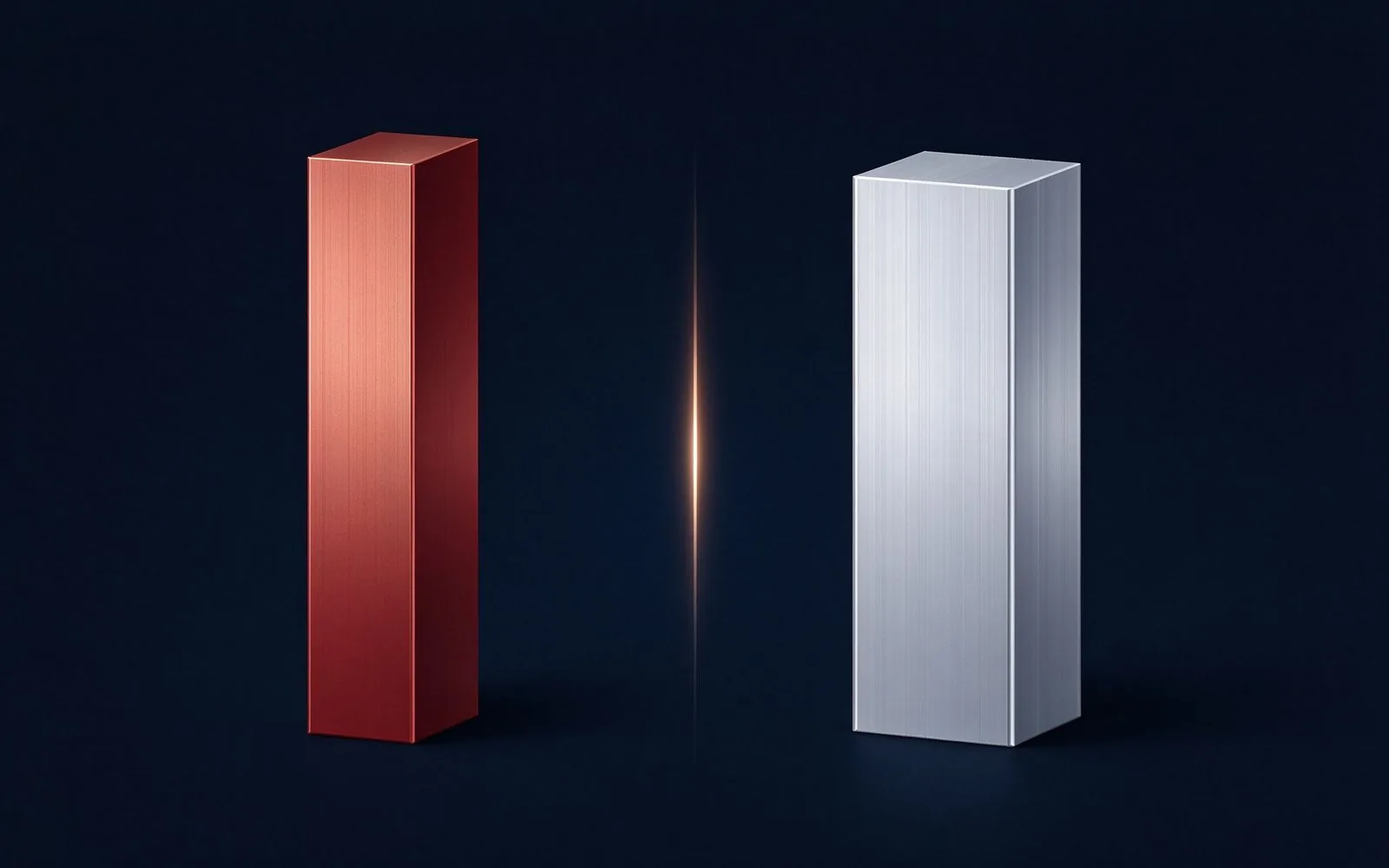
The plating on a busbar contact is a corrosion strategy as much as a conductivity play. Ti
Read article
Wei Chen is a dielectric and insulation specialist at SHANYUAN, with 12 years in insulation systems for laminated busbars. His work covers PET, Nomex and epoxy powder insulation, creepage and clearance design, and partial-discharge-oriented insulation coordination. He holds a Master's degree in
Send the current profile, voltage class and terminal types — our engineers reply within one business day.