Insulation choice is where a busbar drawing turns into a production decision. The same copper part can be wrapped in PET film, dipped in PVC, coated with epoxy powder, or sleeved in heat shrink - and the four paths lead to different voltage ratings, thicknesses, costs and failure modes. The numbers are well documented: epoxy powder coating carries up to about 42 kV AC in thick coats, PET film withstands roughly 3-10 kV, PVC dipping lands near 3.5 kV, and PE heat shrink sits around 2.7 kV (GRL Copper, 2026; RHI Electric, 2026). This guide walks through the selection logic - what each process is good at, where it breaks, and how the choice changes as voltage and geometry go up.
Insulation choice is where a busbar drawing turns into a production decision. The same copper part can be wrapped in PET film, dipped in PVC, coated with epoxy powder, or sleeved in heat shrink - and the four paths lead to different voltage ratings, thicknesses, costs and failure modes. The numbers are well documented: epoxy powder coating carries up to about 42 kV AC in thick coats, PET film withstands roughly 3-10 kV, PVC dipping lands near 3.5 kV, and PE heat shrink sits around 2.7 kV (GRL Copper, 2026; RHI Electric, 2026). This guide walks through the selection logic - what each process is good at, where it breaks, and how the choice changes as voltage and geometry go up.
The busbar is rated as a system: conductor cross-section sets current capacity, insulation sets the voltage class and the spacing you can get away with, and the combination sets the cabinet size. A 20 kV busbar with a proper insulation system can run with much tighter phase-to-phase spacing than a bare-bar arrangement - smaller enclosure, less steel, lower cost (busbar selection practice, 2026).
The trade is that insulation also takes up tolerance, adds process steps, and can fail in ways the conductor never will. Picking the insulation is therefore not a last step in the drawing - it is a design input.
PET film lamination: dielectric film bonded over the conductor, the default for flat, high-volume parts - EV battery links, capacitor busbars, laminated stacks. Epoxy powder coating: electrostatic or fluidised-bed application of thermoset resin, curing into a dense pinhole-free layer - the choice for 3D geometries and higher voltage. PVC dipping: the conductor is preheated and dipped in plastisol, forming a thick conformal coat that follows holes and bends. Heat shrink sleeving: a tube shrinks onto the part, simple and field-reworkable, but thin at bends.
Each process is a compromise between dielectric performance, geometry coverage, cost and reworkability - the table in Section 9 lines them up side by side.
Epoxy powder coating produces the highest dielectric performance of the four common processes. Fluidised-bed application onto preheated busbars, or electrostatic spraying followed by oven cure, yields a dense layer with typical dielectric strength of 16-30 kV/mm; coating thickness runs from 60 µm for low-voltage duty up to 1.5-3.2 mm for the 15 kV class (GRL Copper, 2026).
Two properties make it the choice for demanding duty: pinhole-free coverage on bends, twists and punched patterns, which heat shrink cannot match, and outstanding partial-discharge resistance - a high-adhesion, void-free layer removes the PD initiation sites that plague wrapped insulation at 15 kV and above.
The economics are well understood. Against dipping, powder spraying raises material utilisation by roughly 30% and cuts overall cost by 18-25% (Apollo Stamping & Welding, 2026). But the process needs real infrastructure: preheat ovens, fluidised beds, curing tunnels - capital that only pays off at volume.
The hidden costs sit elsewhere: masking of connection points before coating (or stripping after), and rework. Cured epoxy is hard and brittle; removing and re-coating a misprocessed part is labour-intensive (GRL Copper, 2026). For a supplier, powder coating is a line capability, not a per-part choice.
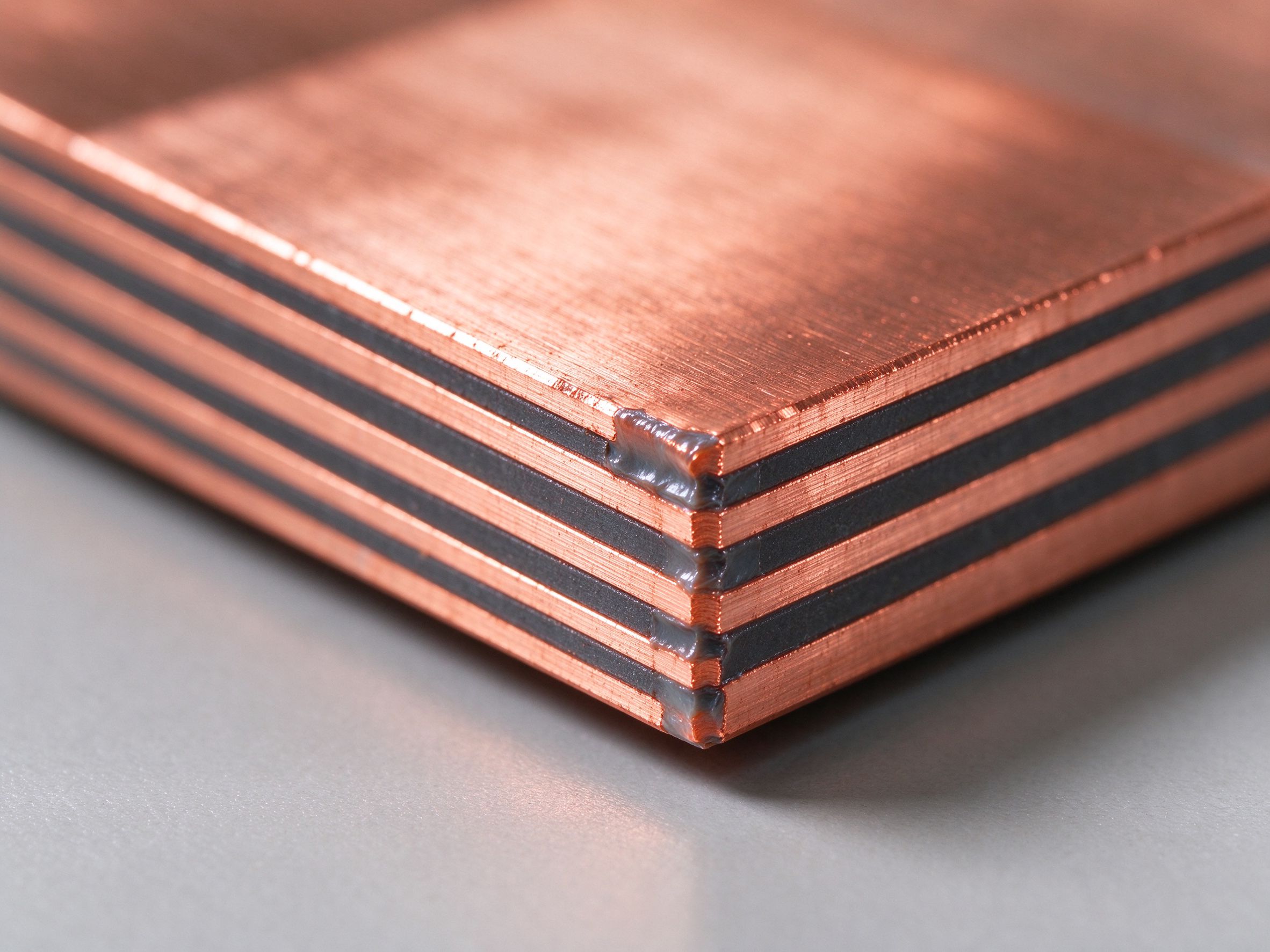
PET film is the lamination standard for EV film-capacitor busbars, battery links and stacked assemblies. It offers high dielectric strength per thickness, clean surfaces, consistent thickness under hot-press lamination, and withstanding voltage in the 3-10 kV range depending on stack (Apollo, 2026). White or milky-white film from suppliers like GTS (US) and Krempel (Germany) dominates the spec sheets.
The limit is geometry: film works on flat surfaces and controlled bends, not on 3D shapes with holes and complex profiles. When the part needs conformal coverage, the industry moves to dipping or powder.
PVC dipping starts with a preheated conductor lowered into liquid plastisol; the coating forms over holes, bends and irregular profiles that film and shrink-tube cannot follow (Apollo, 2026). Withstand voltage is typically around 3.5 kV AC, temperature range -40 to 125 °C, flame class UL 94 V-0 (RHI Electric, 2026). Orange and green are the standard colours for electrical phase identification.
Dipping's strengths - complete coverage and low tooling cost - come with a moderate voltage ceiling. For 1000 V-class charger and cabinet duty it is entirely adequate; for 10 kV+ switchgear it is not the right tool.
PE heat shrink sleeving is the quickest insulation to apply and the easiest to rework in the field: slip the tube on, heat it, done. Voltage ratings sit around 2.7 kV AC, temperature -40 to 125 °C, with UL 224 VW-1 flame class common (RHI Electric, 2026).
Its weaknesses are the mirror of its strengths: at bends the tube thins and can wrinkle, coverage is not conformal, and the dielectric uniformity is moderate (GRL Copper, 2026). Heat shrink remains the default for maintenance-friendly parts, rail and field environments where a technician may need to strip and re-terminate on site.
Beyond the four core processes, molded insulation - PA66 or similar injection-moulded around the part - adds mechanical protection and precise positioning, with dielectric strength and IP67-68 sealing that volume processes cannot match. PA12 extruded insulation carries about 5 kV AC at -40 to 150 °C (RHI Electric, 2026).
Molding is the right call when the busbar doubles as a structural element or the environment demands a sealed, mechanically robust package. Tooling cost is the gate: molds run into tens of thousands of dollars and only make sense at volume.
Voltage ceiling: heat shrink ~2.7 kV; PVC dipping ~3.5 kV; PET film 3-10 kV; powder coating 15-42 kV class; molded/extruded 5 kV and up. Coverage: powder and dipping conform to 3D shapes; film and shrink-tube do not. Cost structure: shrink is cheapest per part but thin at bends; powder has the highest line capital but lowest unit cost at scale; molding is tooling-heavy.
Rework: shrink and film are field-friendly; powder and molded are not. Environment: powder coatings hold up in salt and chemical exposure - epoxy stacks with salt-spray resistance beyond 1000 hours in some specs - while film needs the assembly protected.
Insulation thickness is where the drawing meets the standard. For powder coating, 60-120 µm serves up to 1,000 V; 1.5-3.2 mm handles the 15 kV class (GRL Copper, 2026). Film stacks layer count to reach voltage: a capacitor-busbar laminate builds 3-10 kV with multiple film layers between conductors.
The rule of thumb: dielectric strength in the 15-30 kV/mm range means a 1 mm layer carries roughly 15-30 kV of withstand - but real designs never run at the breakdown number. Creepage distance, not just thickness, sets the installed rating, and altitude correction applies above 1,000 m.
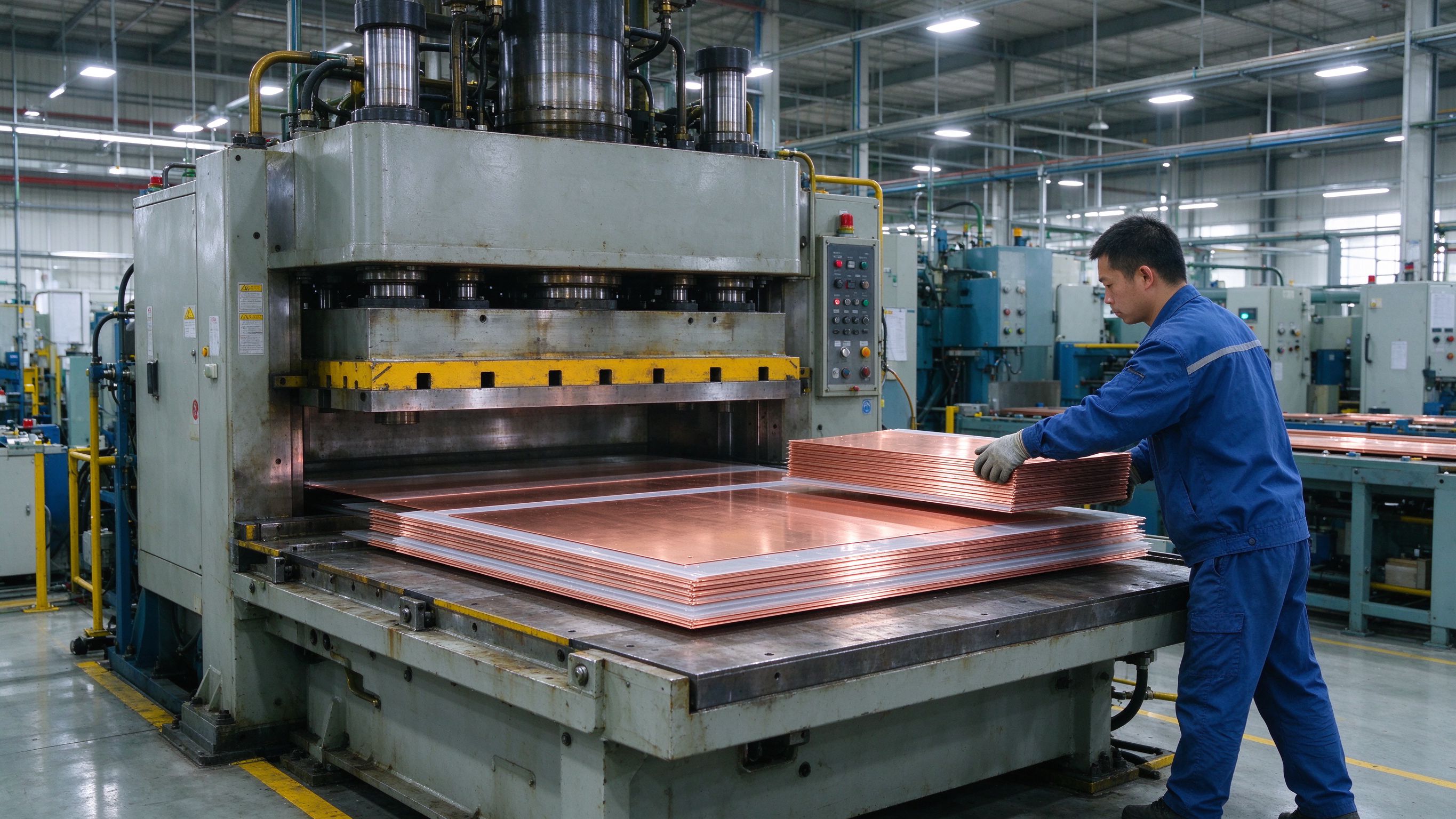
UL 94 V-0 is the default flame class across all four processes - and in 2026 it is moving from a spec-sheet line to an auditable requirement, as storage and charging projects face stricter fire-test documentation (see our NFPA 855 note). The insulation's flame behaviour, not just its dielectric numbers, now lands in the file an authority reviews.
Ask for the flame class on the data sheet, and for the certificate if the part feeds a BESS or charging programme. The material is the same; the evidence trail is new.
Insulation and plating interact at the terminations. Tin plating (5-15 µm) or silver (2-8 µm) at joint areas is applied before or after insulation depending on process, and the masking/stripping steps decide whether the plated surface stays clean where it matters.
Design rule: define the insulation boundary on the drawing - how far the film or coating extends past the last plated area - and specify the masking method. A coating that creeps onto the joint face is a contact-resistance failure waiting for its first thermal cycle.
SHANYUAN supplies copper busbars with the full insulation menu - PET film lamination for battery and capacitor duty, epoxy powder coating for 3D high-voltage parts, and PVC/heat-shrink options for field-friendly builds - on C11000 copper with tin or silver plating per drawing, UL 94 V-0 insulation as standard.
Send the voltage class, geometry and environment with the drawing; our engineers will shortlist the insulation processes that fit and confirm thickness, creepage and test coverage. DFM feedback and a quotation land within one business day.
The environment decides more than the voltage class. Coastal and chemical exposure favour epoxy powder: dense, pinhole-free coatings with salt-spray resistance beyond 1,000 hours in some specifications, and better tracking resistance than bare or film-covered surfaces (Apollo, 2026). Humidity matters for every insulation type, because surface moisture shortens effective creepage and invites tracking.
For outdoor, partially enclosed or plant-floor duty, ask for the salt-spray hours and the tracking index (CTI) of the insulation system, not just the dielectric strength. A 5 kV coating with poor tracking performance will fail sooner on a dirty surface than a 3 kV coating with a clean one.
Insulation adds thickness, and thickness is tolerance. A powder coat at 0.2-0.5 mm or a film stack at a few tenths of a millimetre can consume the clearance budget of a tight assembly, and coating thickness varies across the part - bends and edges differ from flats (Apollo, 2026).
The engineering rule: define the finished dimensions with insulation in place, note the thickness control (typical ±15 µm on good powder lines against ±25 µm industry practice), and confirm the assembly clearances on the insulated part, not the bare bar. DFM review catches this before the mold or tooling is cut.
Thickness uniformity is a process capability, not a wish. Fluidised-bed and electrostatic lines with robot-controlled spraying hold film thickness to tight bands; manual application drifts. Curing time and temperature set the final properties - under-cured powder is soft and conductive-tracking, over-cured is brittle.
When a supplier quotes an insulation process, ask how thickness is controlled and verified: automatic spray control, in-line or sample measurement, and the curing parameters on the process sheet. The answers separate a line capability from a promise.
Choose the insulation the geometry and environment force on you, then let cost decide between the rest. Flat high-volume parts go PET film; 3D parts needing voltage and salt resistance go epoxy powder; field-reworkable or low-voltage parts take heat shrink; and molded insulation earns its tooling when the busbar is structural or sealed. Specify the voltage class, thickness control, flame class and environment, and let the supplier's process evidence answer the rest.
Reworkability is a lifecycle property, not a production convenience. Heat shrink can be cut and replaced on site in minutes; PET film on a flat bar is repairable with a splice; epoxy powder and molded insulation are not - a damaged coat means stripping and re-coating at the factory, and a molded part means a new part.
For rail, charging and plant-floor environments where damage happens, specify the insulation with rework in mind: heat shrink or film where access is likely, and reserve powder or molding for sealed assemblies. The drawing should say which insulation is field-repairable and how.
Every busbar thermally cycles: load changes, day-night, charge-discharge. The insulation has to follow the copper's expansion without delaminating, cracking or thinning at the bends. Film laminates handle this by design - the bond line moves with the stack; powder coatings need enough thickness and adhesion to ride the movement; rigid molded parts rely on clearance.
The practical test is thermal cycling, and it belongs in the qualification for any cycled duty - charger, ESS, traction. A coating that passes dielectric tests cold can still fail after 5,000 cycles if the adhesion is marginal.
Insulation belongs on the drawing as explicit notes, not left to the supplier's default: 1) material and process (PET film / epoxy powder / PVC dip / heat shrink); 2) thickness and tolerance, measured on the finished part; 3) voltage class and test requirement (withstand, PDIV if applicable); 4) coverage boundary - where insulation stops and plating begins, and the masking method.
Those four lines remove most ambiguity in busbar quotations. When they are missing, suppliers quote their own defaults, and the part that arrives is the supplier's interpretation of your drawing, not your specification.
PET, Nomex and DLF epoxy are the three dielectrics we laminate into SHANYUAN busbars every
Read article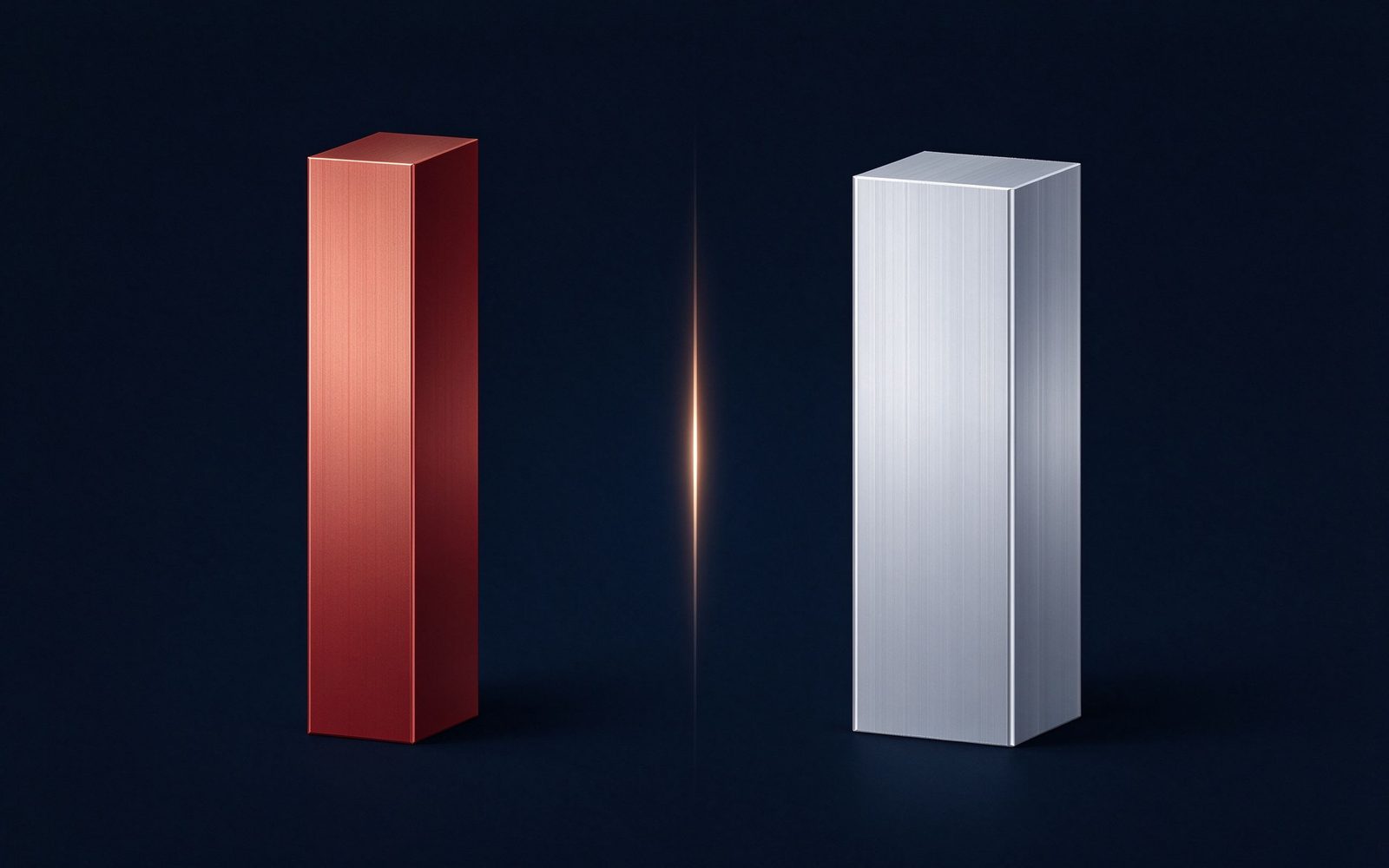
The plating on a busbar contact is a corrosion strategy as much as a conductivity play. Ti
Read article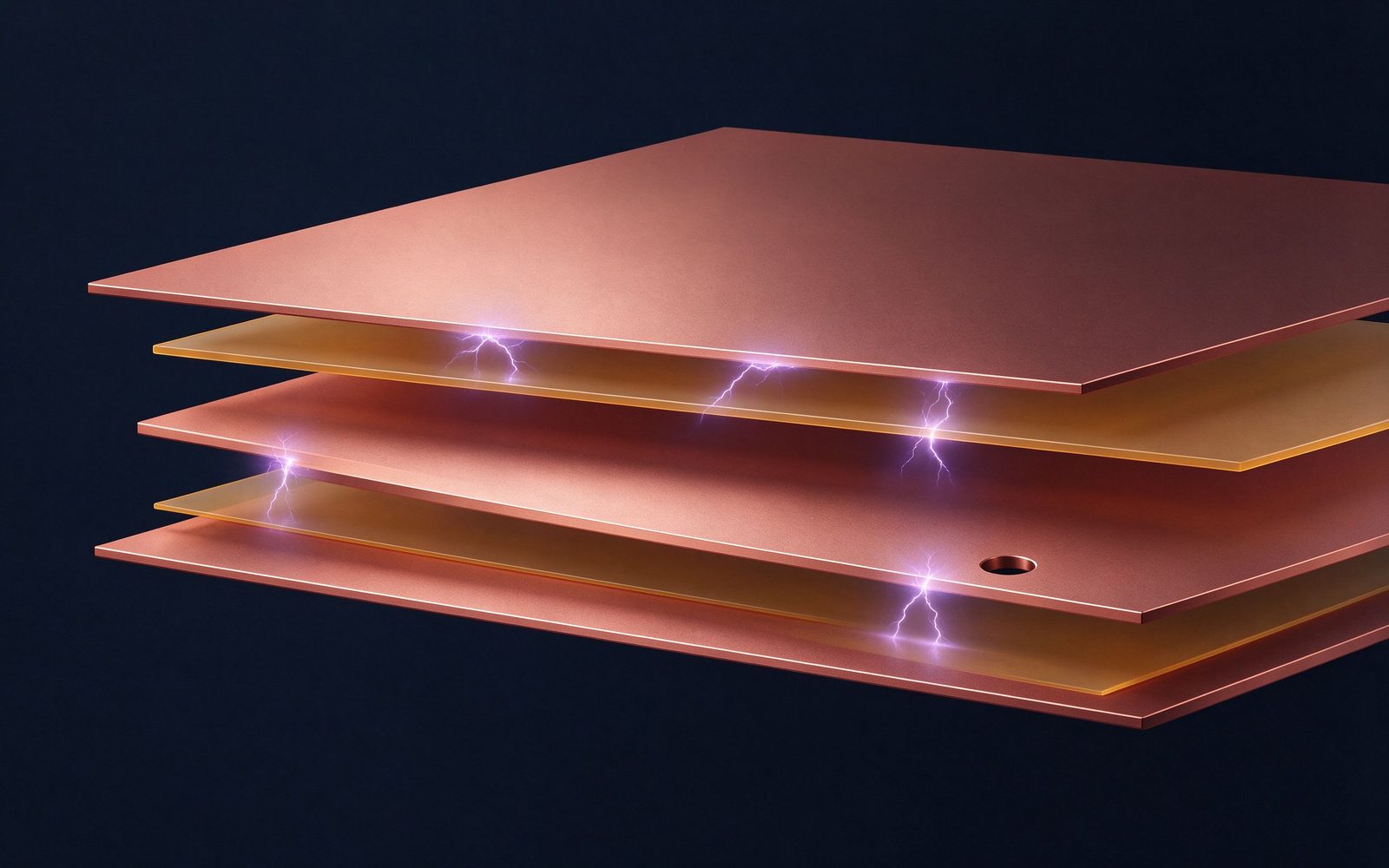
A busbar fails across a surface long before it fails through its insulation if the creepag
Read articleSend the current profile, voltage class and terminal types — our engineers reply within one business day.