The terminals and contact parts on a busbar are made three ways — stamping from sheet, turning from bar stock, or milling from block. Each route has its own volume, tolerance, material-yield and cost profile. This guide helps buyers and engineers choose the process before the drawing goes out.
The terminals carry the current, take the mechanical load and set the tolerance story of the whole assembly — yet their manufacturing route is usually decided last, by whoever happens to be quoting. That is expensive: the process choice fixes tooling cost, piece price, material yield and achievable tolerance at once, and it is hard to change after first articles.
This guide separates the three practical routes for machined terminals and contact parts — stamping from sheet, turning from bar, milling from block — and gives the decision criteria to apply before the drawing leaves your desk.
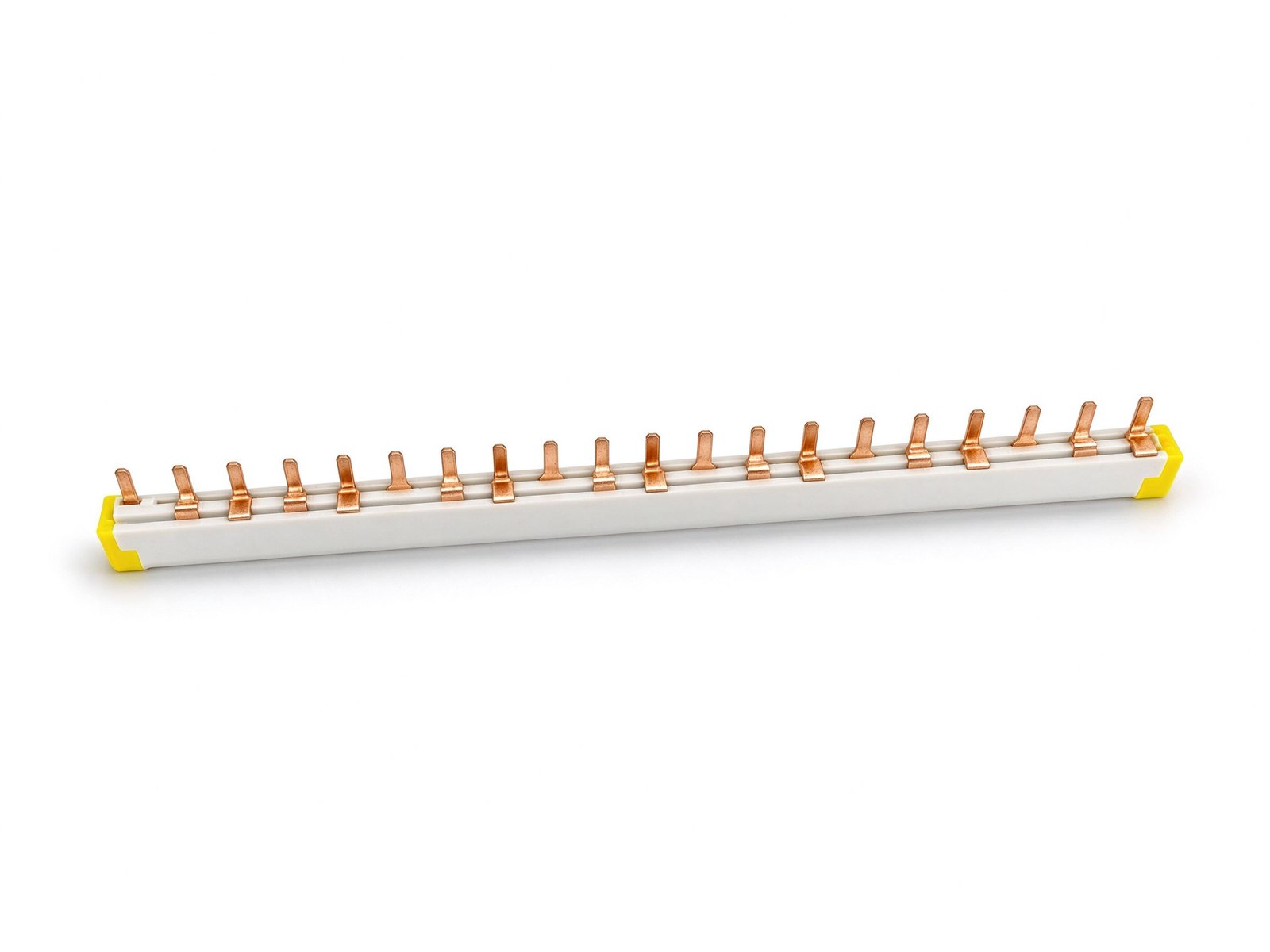
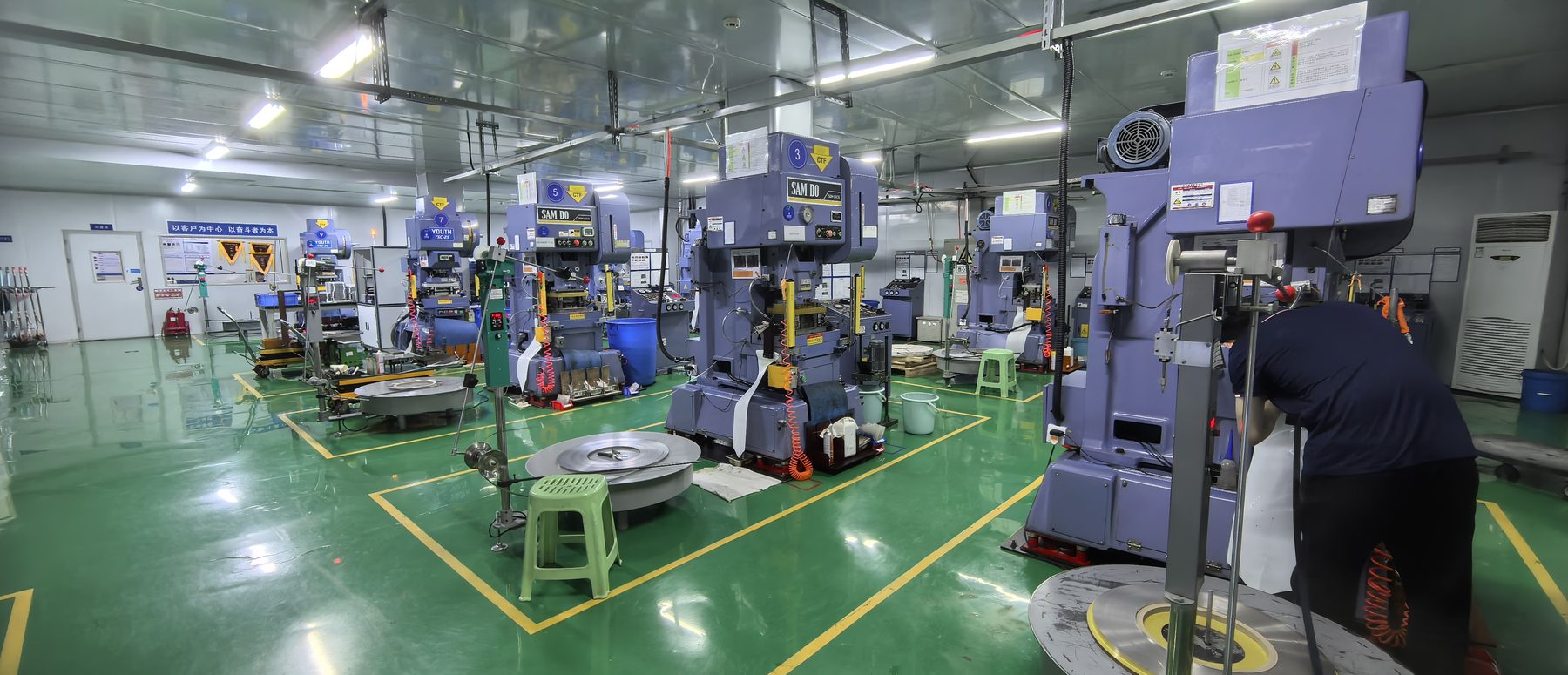
Stamping blanks terminals and flat contacts from copper or brass sheet in one press cycle, then bends and forms them. It is the volume champion: fast, repeatable, and economical above a few thousand pieces per year because the die cost is amortized over the run.
CNC turning machines round parts from bar stock — studs, pins, threaded terminals, fuse ferrules, contact tips. It wins on rotational symmetry, tight diameters, threads and small-to-medium volumes, and it is the route behind “bar turning for connectors and contacts”, the classic job-shop capability for connector parts.
Milling removes material from block or plate to produce non-rotational, three-dimensional shapes: terminal blocks, lugs with complex profiles, brackets and bodies. It handles low volumes and design iterations without dedicated tooling, at the cost of slower cycles and lower material yield.
| Criterion | Stamping | CNC turning | Milling |
|---|---|---|---|
| Annual volume | Highest (thousands to millions) | Low to medium (tens to tens of thousands) | Low (ones to hundreds) |
| Geometry strength | Flat and formed 2.5D | Rotational symmetry | Complex 3D, non-rotational |
| Tolerance control | Good within die limits | Excellent on diameters and threads | Excellent on profiles |
| Material yield | Best (nested blanks) | Good (bar to part, chip waste) | Lowest (chip removal) |
| Tooling cost | Highest up front | Low (standard tooling) | None (program only) |
| Lead time to first part | Longest (die design) | Short | Shortest (program only) |
| Typical parts | Flat lugs, tabs, clips | Studs, pins, threaded terminals, ferrules | Terminal blocks, complex lugs, brackets |
Two questions decide the route before anything else: is the part rotational, and how many pieces per year? Rotational parts belong to turning; high volumes belong to stamping; everything else, milling.
Threaded studs, fuse ferrules, contact pins and round connector bodies are turning jobs: they start as round copper, brass or C11000 bar, and the lathe produces the diameter, thread and chamfer in one setup. Tolerances on diameters and threads are the tightest of the three routes, which matters when the terminal mates with a clip, a nut or a fuse.
Bar stock also gives clean material properties — no bending stress from forming, no edge grain from blanking — which is why turned parts are the default for precision contacts. The trade-off is chip waste and cycle time, so turning is cost-competitive at low and medium volumes and loses to stamping only when volume gets high enough to amortize a die.
Flat terminals, lugs, tabs and clips are stamped from sheet in progressive dies — blank, pierce, bend, coin — in a single press sequence. Nested blank layouts make the best use of material, and once the die is approved, piece price drops to material plus a small machine cost. For annual volumes in the thousands and up, stamping is almost always the cheapest route for flat and formed terminals.
The cost is paid up front in the die, and the die is paid for by freezing the design: stamping tolerances are good but locked to the tool, so late drawing changes are expensive. That is why DFM review before die design is the rule for stamped parts.
Terminal blocks, complex lugs with internal features, and prototype iterations go to milling or laser cutting. No dedicated tooling means first parts in days, and the geometry is only limited by the machine envelope — ideal for design validation and low-volume builds. The cost is chip removal: lower material yield and slower cycles, acceptable when the part count is small.
A common hybrid: mill the block or plate to net shape, then switch the high-volume version to a stamping or turning die once the design is frozen and volume is proven. Sequencing the processes, rather than picking one forever, is what experienced procurement does.
Machining route also decides the plating story. Stamped parts are usually plated in strip before blanking or in barrel after forming; turned parts are barrel- or rack-plated after cutting. Plating thickness and adhesion matter most at the contact interface — tin is the default for copper conductors, silver for higher duty contacts — and the machining process must not degrade the plated surface at the mating points.
Say in the RFQ which surfaces are functional contacts, so the supplier protects them through handling and finishing. A terminal that is dimensionally perfect but scratched at the contact face fails exactly where it matters.
Put six lines on the inquiry and the route becomes obvious: annual volume and target piece price; rotational or non-rotational geometry (drawing reference); critical tolerances, especially mating diameters and threads; material (C11000 copper, brass, or per spec); plating and which faces are functional contacts; and whether design is frozen or still iterating.
Send these through the contact page and SHANYUAN returns a process proposal with pricing within one business day. Pair the decision with the guides on connector selection, layer count selection and sample-to-series procurement to build the complete stack decision.
Q: What does “bar turning for connectors and contacts” mean? A: It is the job-shop capability of machining connector and contact parts — studs, pins, ferrules, threaded terminals — from round bar stock on a CNC lathe. It is the right route for rotational parts at low and medium volumes.
Q: Is stamping or turning cheaper for busbar terminals? A: It depends on volume and geometry. Stamping wins at thousands of pieces per year of flat or formed terminals; turning wins for rotational parts and small volumes where a die would never pay back.
Q: Can I get prototype terminals before committing to a die? A: Yes. Milling or turning produces first parts in days without tooling; the high-volume stamping die is cut only after the design is frozen and volume is confirmed.
Send the current profile, voltage class and installation conditions — we will size the busbar and document the calculation with your quotation.
Send the current profile, voltage class and installation conditions — we will size the busbar and document the calculation.