Every laminated busbar starts with the same question in purchasing: which copper grade? The answer is usually C11000 electrolytic tough pitch (ETP) copper, sometimes C10200 oxygen-free (OF), and rarely C10100 oxygen-free electronic (OFE). The three look identical on a drawing but differ in conductivity, oxygen content, workability, weldability and — crucially for procurement — price and availability. With LME copper trading around 14,000 USD/tonne in November 2026 and copper supply forecasts tightening, the grade decision is a real money decision. This guide gives purchasing managers and engineers a decision framework, a comparison matrix and a checklist of what to send the supplier.
Every laminated busbar starts with the same question in purchasing: which copper grade? The answer is usually C11000 electrolytic tough pitch (ETP) copper, sometimes C10200 oxygen-free (OF), and rarely C10100 oxygen-free electronic (OFE). The three look identical on a drawing but differ in conductivity, oxygen content, workability, weldability and — crucially for procurement — price and availability. With LME copper trading around 14,000 USD/tonne in November 2026 and copper supply forecasts tightening, the grade decision is a real money decision. This guide gives purchasing managers and engineers a decision framework, a comparison matrix and a checklist of what to send the supplier.
All three grades are 'copper' with 100% IACS-class conductivity, but the similarity stops there. The difference is oxygen content, which drives how the metal behaves in welding, bending, plating and long-term service. C11000 ETP contains 0.02–0.04% oxygen by specification; C10200 oxygen-free is held below 0.001%; C10100 OFE below 0.0005%. Oxygen is the hidden variable: it controls whether a welded joint stays sound, whether a bend cracks at a tight radius, and whether hydrogen embrittlement is a risk in reducing atmospheres. For a laminated busbar, where the copper is bent, drilled, plated and often welded, the grade decision belongs to engineering, not just to the metal trader.
C11000 is electrolytic tough pitch copper — the default for busbars worldwide. It offers ≥100% IACS conductivity (about 101% IACS, resistivity 1.724 µΩ·cm), excellent formability, and the lowest price of the three grades. Its limit is oxygen content: in welding with hydrogen-bearing processes, or in service above ~400 °C in reducing atmospheres, the oxygen can cause hydrogen embrittlement and porosity in welds. In practice, for bent, bolted, tin-plated busbars in normal industrial service, C11000 is perfectly adequate and is what SHANYUAN uses for the large majority of battery and power-electronics busbars. The procurement win is availability: ETP bar and strip stock is produced in massive volume, which keeps lead times short even when copper is tight.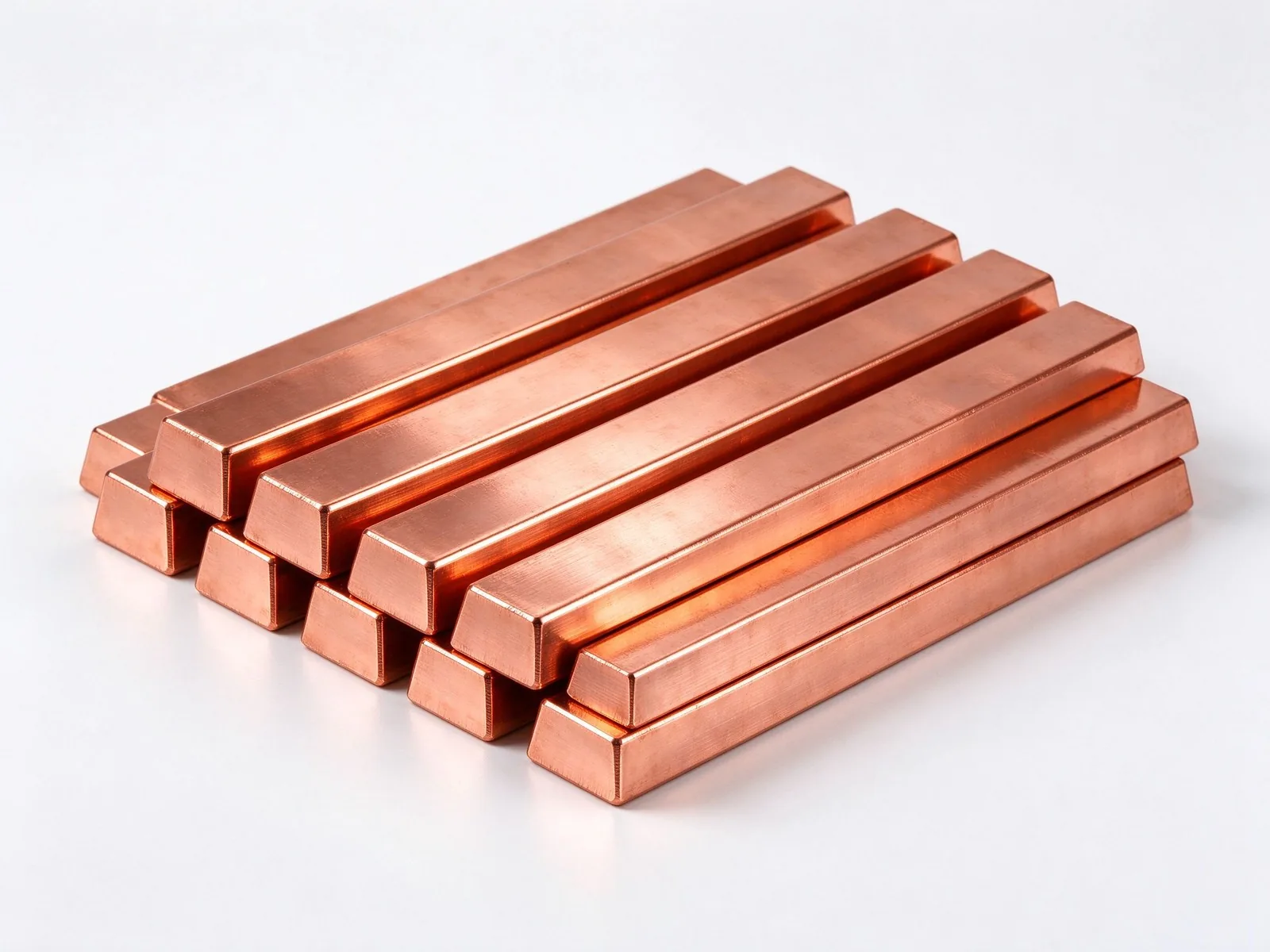
C10200 oxygen-free copper removes the oxygen problem: conductivity is marginally higher (101–102% IACS) and, more importantly, the metal welds cleanly and is immune to hydrogen embrittlement. It costs more than ETP — typically a 5–15% premium depending on mill and market — and it is less available because fewer mills produce OF bar and strip. Choose C10200 when: the busbar carries welded joints in critical current paths, the service environment includes reducing atmospheres or high sustained temperatures, or the customer spec explicitly requires oxygen-free material (common in aerospace, semiconductor equipment and some high-reliability traction applications). For those projects the custom design service routinely quotes OF copper without changing the laminate geometry.
C10100 oxygen-free electronic copper is the premium grade: ≥99.99% copper, oxygen below 0.0005%, conductivity up to 101.5% IACS, and the tightest impurity limits. It exists for applications where every impurity atom matters — semiconductor test equipment, high-frequency RF paths, vacuum systems, medical imaging. For a busbar, OFE's practical benefits are marginal unless the application is extreme: better creep resistance at high temperature, cleaner welds, and a defensible story for customers whose own spec lists OFE. The cost premium over ETP can reach 20–40%, and mill availability is limited. The honest purchasing advice: do not specify C10100 because it sounds better; specify it only when the design or customer requirement justifies the premium. Most busbar RFQs that say 'OFE' actually only need OF.
| Property | C11000 ETP | C10200 OF | C10100 OFE |
|---|---|---|---|
| Copper purity (min) | 99.90% | 99.95% | 99.99% |
| Oxygen (typical) | 0.02–0.04% | <0.001% | <0.0005% |
| Conductivity | ~101% IACS | 101–102% IACS | ~101.5% IACS |
| Weldability | Good (H2-sensitive) | Excellent | Excellent |
| Hydrogen-embrittlement risk | Yes (reducing atm.) | No | No |
| Relative price | 1.0× (baseline) | 1.05–1.15× | 1.20–1.40× |
| Mill availability | Very high | Moderate | Limited |
| Typical busbar use | Default: battery, ESS, industrial | Welded critical paths, traction, aerospace | Extreme-reliability, RF, vacuum |
Conductivity differences are within a percent; oxygen content and its consequences are the real differentiators. The copper-vs-aluminum comparison addresses the conductor-material choice at a higher level.
Copper grade and plating finish selection interact in ways procurement should understand. Tin plating (the busbar default) adheres well to all three grades; silver plating is specified for lowest contact resistance on high-current joints and is also insensitive to copper grade in practice. The interaction that matters is surface finish and flatness: high-purity OF/OFE copper is sometimes chosen by mills for tighter flatness and surface quality, which then improves plating adhesion and contact resistance consistency. But the reverse is not true — specifying C10100 does not automatically buy better plating; plating quality is set by the plating process (cleaning, thickness, adhesion testing), not by the base metal grade. Verify the plating spec separately, whatever grade you choose.
Welded joints — tab welding, stud welding, seam welding on welded busbar assemblies — are where copper grade is most visible. ETP copper welds acceptably in TIG and resistance processes when the joint is designed for it, but porosity risk rises with hydrogen-bearing shielding or contaminated surfaces. OF copper welds cleanly and repeatably, which is why welding-joining practice in high-reliability programs often specifies OF for welded current paths. The economic tradeoff: welding yield improvements from OF can pay for the material premium on high-volume welded parts. Ask your supplier for weld-quality data on the specific grade before locking the bill of materials.
Busbar fabrication bends copper heavily — 90° edge folds, Z-bends, twisted segments for bend-radius requirements. All three grades form well, but edge quality and springback vary slightly with grain size and temper, which the mill controls more than the grade name. The practical rule: specify half-hard or hard temper for structural busbars and annealed or quarter-hard for heavy forming, and require the supplier to document temper and grain size on the material certificate. Grade choice is orthogonal to temper; don't let a supplier trade a temper change against a grade change without re-qualifying the bend tests.
November 2026 copper economics favor ETP for most programs: LME cash around 14,000 USD/tonne, Chile's 2026 production forecast cut to 4.94 million tonnes by Cochilco, with the grid-storage buildout absorbing much of the demand, and treatment charges for concentrate at historic lows. In this market, OF and OFE bar stock is the first to run short because fewer mills make it. The procurement strategy that works: standardize on C11000 for the 80% of parts that do not need OF, reserve OF for welded critical paths, and dual-source the OF mill. Lead times stretch fastest for exotic grades, so freezing the grade early in the RFQ protects the schedule. A supplier with in-house lamination and plating — like SHANYUAN — holds the material decision visible across the whole chain, from bar stock to finished ampacity-verified laminate.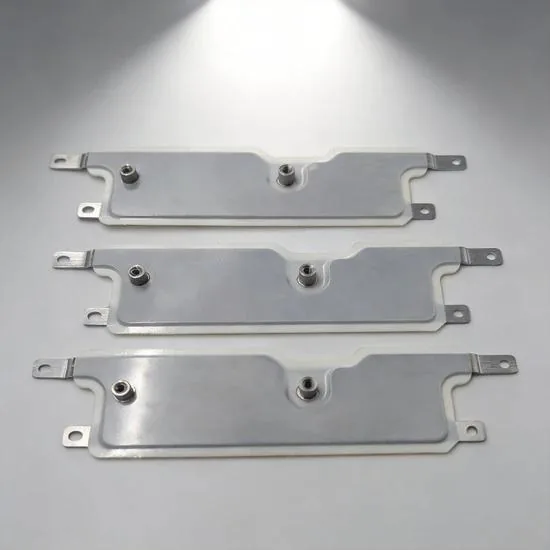
Complete packages get one-round quotes. The how-to-choose-a-busbar-manufacturer guide covers the supplier-side evaluation in full.
Four mistakes recur in RFQs. First, specifying C10100 when C10200 suffices — the premium buys nothing measurable in most busbar duty. Second, ignoring oxygen content entirely on welded parts, then discovering porosity in qualification. Third, confusing grade with temper and accepting an unverified temper change that alters bend behavior. Fourth, not documenting the standard (ASTM vs EN), which invites material substitutions at the mill. Each of these is cheap to fix in the RFQ and expensive to fix in qualification — which is exactly why the grade decision belongs in the purchasing checklist, not in a later change order. If the application is new to your team, the SHANYUAN engineering team will review the grade, temper and plating together in one DFM pass.
Start with C11000 ETP: it is the engineering default, the procurement default and the availability default. Move to C10200 OF when the busbar carries welded current paths, reducing-atmosphere service or customer-required oxygen-free material. Reserve C10100 OFE for applications where the spec genuinely demands the cleanest copper — and verify, rather than assume, that it does. Document the grade, temper and standard in the RFQ; verify plating separately; and freeze the decision early so the tight copper market does not turn it into a schedule risk. The physics behind this framework is standard: what a busbar is, how it is built and how it is verified is all laid out in our technical resources — the grade is just the first line of the bill of materials.
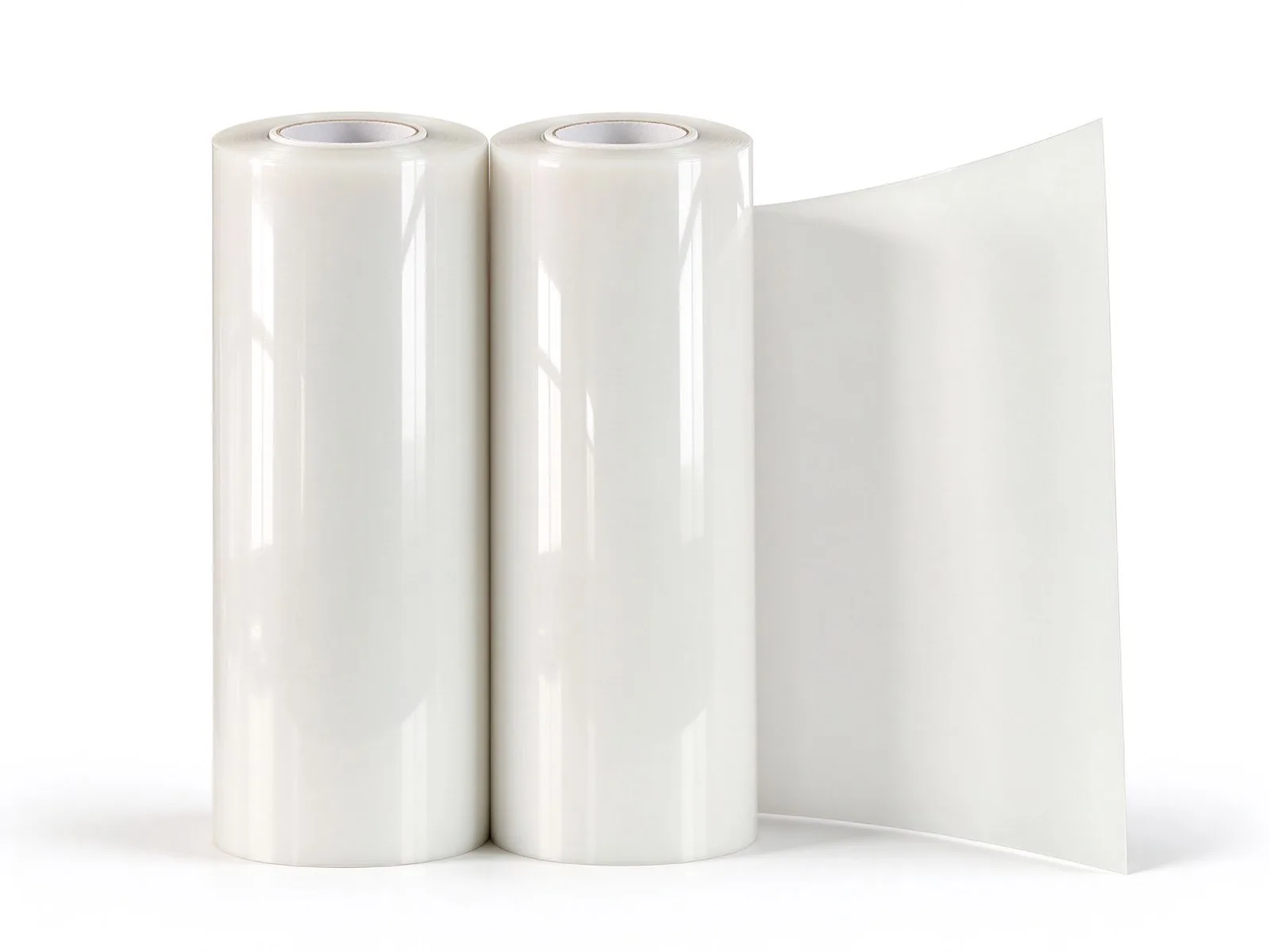
Buyers see insulation as a cost line; engineers see it as a reliability decision. PET, Nom
Read article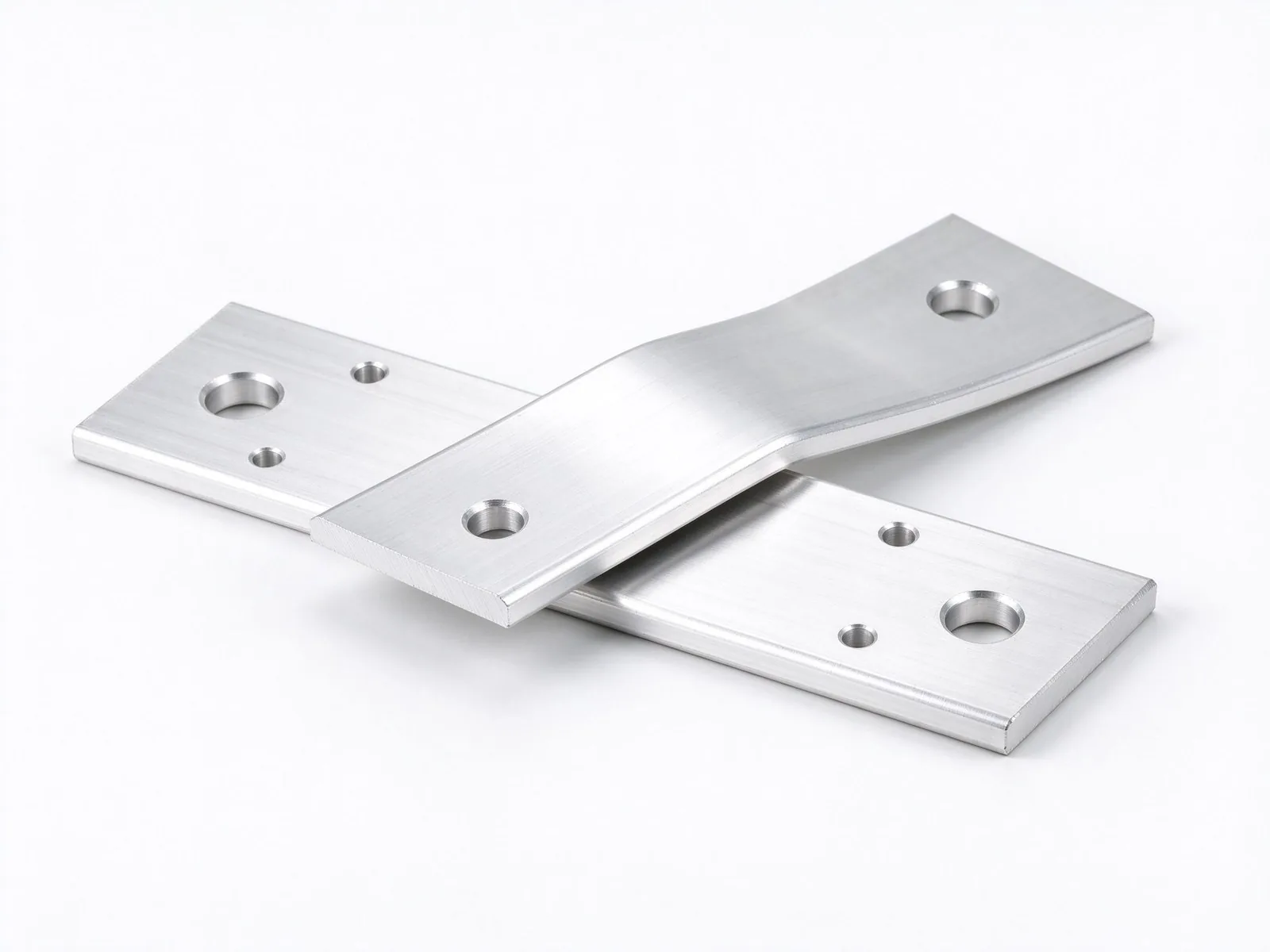
Record copper prices, a 4.41 copper-to-aluminum price ratio and a structural supply gap fo
Read article
Lucas Meyer advises procurement and supply-chain teams on copper sourcing, busbar pricing and supplier evaluation, with 13 years in industrial metals and electrical-component procurement. He developed SHANYUAN's copper-price quotation model and cost-breakdown framework for busbar projects. He h
Send the current profile, voltage class and terminal types — our engineers reply within one business day.