In 2026 the fire-safety rules for battery storage have moved from the standards desk to the inspection floor: AHJs now read completed installations against their test reports and records, not against vendor claims. This article follows the acceptance file from permit review to post-event disposition, and identifies the conditions that most often open a correction notice.
In 2026 the fire-safety rules for battery storage have moved from the standards desk to the inspection floor: AHJs now read completed installations against their test reports and records, not against vendor claims. This article follows the acceptance file from permit review to post-event disposition, and identifies the conditions that most often open a correction notice.
This page is an annual rolling data page: the 2026 edition, refreshed once a year as new market data is published.
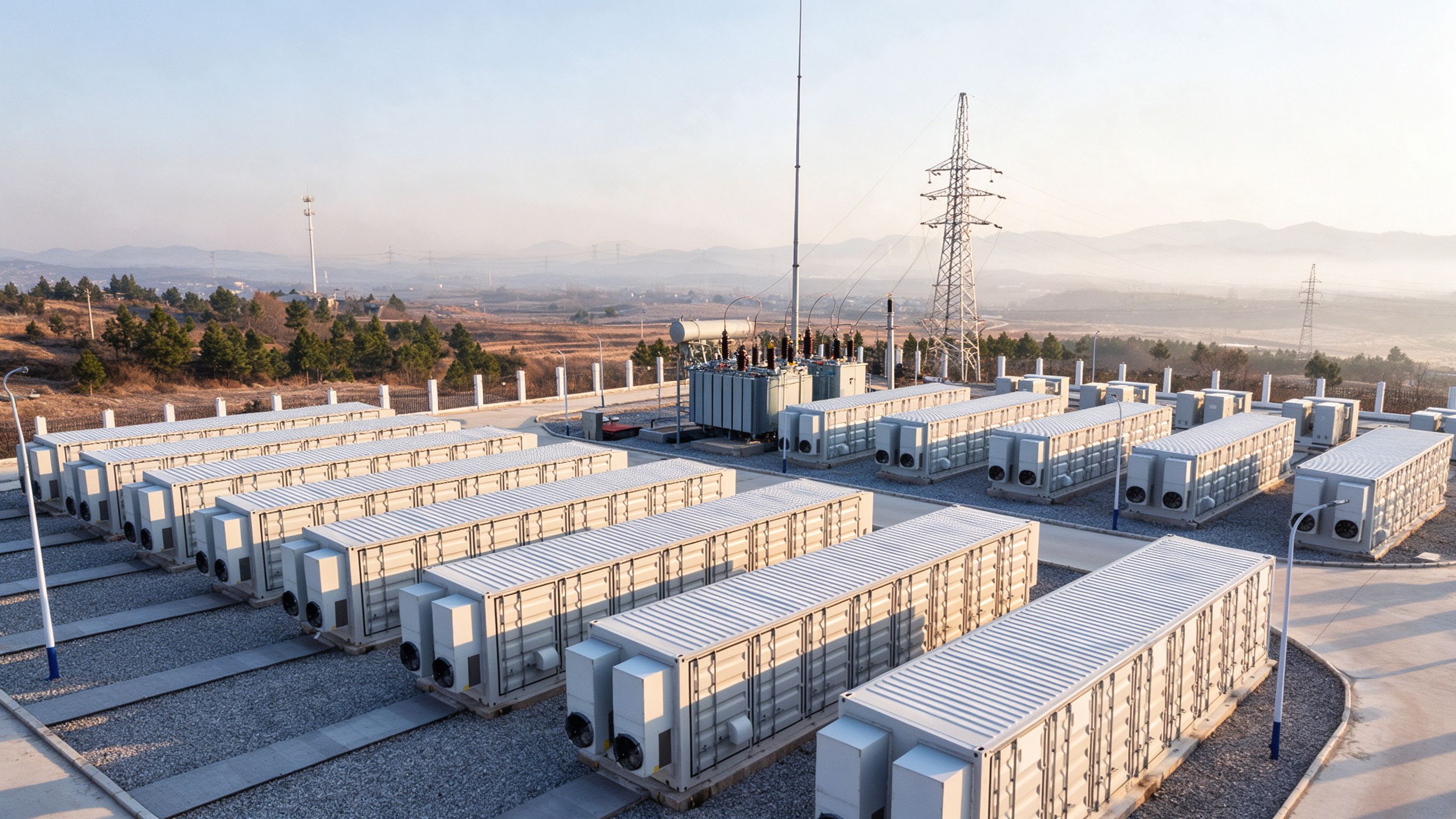
For several years the safety rules for battery energy storage have mostly lived on paper: model standards, referenced test methods and listing certificates that developers read at the design desk. In 2026 the pressure has moved downstream. Local officials - fire marshals, building officials, electrical inspectors and the code consultants they retain - are now reading completed and near-complete installations against documented evidence, and they no longer treat a vendor's listing as the last word. The question has shifted from "Does the product have a certificate?" to "Does the report on file support this specific layout, this cluster count, this enclosure and this wiring arrangement?"
The scale of what has to be reviewed is rising at the same time. The United States installed 5.4 GW / 18.9 GWh of battery storage in Q2 2026, a record for any quarter, and the national average system duration climbed from 2.8 to 3.5 hours year over year (Wood Mackenzie / American Clean Power Association, 2026). Longer systems pack more cells per cabinet, denser DC interconnects and higher fault energies into each enclosure, which enlarges what an inspector has to reconcile against the test file.
The safety record behind this expansion is not a blank slate. EPRI data reported through October 2026 count 36 known failures in the United States between 2018 and 2025, with another six incidents recorded in 2026 up to that report (EPRI, reported by S&P Global, 2026). A separate compilation of EPRI records identified 19 US BESS sites affected by fire between 2020 and 2025 (E3 Consulting, compiling EPRI data, 2025). Regulators and AHJs read those numbers as a reason to tighten field review, and enforcement attention lands hardest where the paperwork trail is weakest.
This article takes the acceptance and enforcement view: what an inspector asks for, how a fire-test report is read against an installed system, what happens to DC busbars and wiring after a thermal event, and which situations most often produce a written correction notice. The test method itself - the four UL 9540A evaluation levels and what each measures - is covered in our UL 9540A evidence guide; the regulatory background across NFPA 855 and the International Fire Code is summarized in the companion fire-safety regulation overview, and the full list of referenced standards sits in the standards reference library. We do not repeat that material here.
"The AHJ" - authority having jurisdiction - sounds like a single role, but on a real storage project it can be several people with different gates. The fire marshal or fire code official typically owns the fire-safety review: detection, suppression, ventilation, setbacks and the thermal-runaway evidence package. The building official checks structure, assembly and means of egress. The electrical inspector verifies that the installed DC and AC connections match the approved one-line diagram, protection scheme and equipment listing. Where the project is large or sits on industrial land, the jurisdiction may contract an outside code consultant to do the technical read-through before the in-house sign-off.
Review is not one gate either. There is a permit-stage review of drawings and narrative before construction, a rough-in inspection once the cabinets and raceways are in place, a final acceptance walk-through before energization, and a later post-event review if an incident occurs. A document gap that would be harmless in the first gate can block energization at the fourth.
A common early mistake is treating the manufacturer's listing certificate as sufficient on its own. In practice the reviewer traces the listing back to the actual configuration: cell supplier and generation, module pack, rack and cabinet design, cluster count, PCS model and firmware revision. If the installed build differs from the listed representative system, the certificate alone does not close the question. The project team should identify early which party owns each piece of the submission - developer, EPC, integrator, battery supplier, electrical designer - and schedule a pre-submission meeting with the local code contact. If you want a second look at what documentation a DC hardware package should contain before that meeting, our engineering team can review the file with you.
Before energization, the AHJ's review usually splits into three layers that a well-organized package should line up against.
First, configuration match: the listed system must be the installed system. Reviewers compare the nameplate and serial range on each cabinet with the listing file, the submitted report and the as-built drawings. Substituted cell lots, a changed module supplier, an added cluster or a revised enclosure that appeared after the original design are flagged here because they sit outside whatever configuration the fire evidence covers.
Second, document availability on site: drawings, test reports, listing labels, the maintenance plan and the change log should be present in the inspection file rather than held offsite by a distant integrator. Reviewers often ask to see the record that proves the hardware on the floor matches the hardware in the report, not just a summary brochure.
Third, physical conditions around and inside the cabinets: clearance and setback dimensions, ventilation and exhaust routing, detection and suppression equipment in place and tagged, emergency access kept open, signage and warning labels fitted, and cable or busbar routing kept away from hot surfaces and moving parts. Many acceptance delays do not come from a design that fails a code test; they come from conditions that were never written down in a way the reviewer can check.
The AHJ does not re-run the fire test during an inspection. The reviewer reads the submitted UL 9540A report and asks whether its scope and conclusion cover the installation in front of them. Three questions drive that read, and most report-to-site disputes come down to one of them.
Whose report is it? The report belongs to the tested representative system: its battery chemistry, cell supplier, module construction, enclosure and ventilation arrangement. A report generated for one battery manufacturer's representative unit does not transfer to a different supplier's pack, and it does not certify a third-party busbar or interconnect built around that pack. The reviewer checks the report's applicant, the tested configuration and the date of the test against the submittal.
At which evaluation level was it run? UL 9540A covers a chain from cell-level through module-level, unit-level and installation-level evaluation. A report that reached only an earlier level supports a narrower claim than one that includes a full installation-level test, and an AHJ will not infer conclusions the report did not draw. The method behind each level is described on the UL 9540A standards page; here the relevant point is the scope statement, not the test procedure.
What does the conclusion actually support? Reviewers look at the configuration under which the conclusion was reached - tested enclosure, tested venting, tested state of charge and cell family - and compare it with what was installed. Where the installed enclosure was redesigned, exhaust changed, or clusters added after the test, the original conclusion has a boundary the reviewer will respect. The most frequent deficiency in this category is a submittal that cites a report's headline conclusion without showing that the tested configuration matches the project.
One boundary worth stating plainly: UL 9540A is a system-level thermal-runaway propagation evaluation, not a busbar certification. The busbar inside a tested cabinet contributes to how heat and smoke move, but the report does not independently certify every interconnect supplier's hardware. The busbar evidence - insulation integrity, terminal condition under heat and cycling, post-test disposition - is assembled as a separate input to the acceptance package, and that separation is why hardware suppliers are asked for their own records.
Separation between BESS units, row spacing and setbacks to property lines are the layout items reviewers argue about most often. The code path has two branches: a conservative arrangement given by the model code itself, and a reduced or modified arrangement justified by fire-test evidence. The reviewer's job is to check which branch the project claims and whether the cited evidence actually supports it.
Where a project relies on a test-based arrangement, the spacing on the drawing must trace back to a report conclusion at a comparable scale and enclosure type. An installation-level report that addresses unit-to-unit propagation supports a broader spacing claim than a module-level study; a report tested on a different cabinet ventilation design does not carry over cleanly. If the submitted evidence reaches only an earlier evaluation level, the reviewer typically falls back to the code-prescribed conservative arrangement rather than accepting a reduced spacing by analogy.
Layout questions extend beyond unit-to-unit distance. Row orientation relative to exhaust, access aisles, the position of PCS and auxiliary equipment, and the routing of any venting between cabinets all have to match the arrangement the report describes. A report that showed one exhaust direction does not justify a layout where adjacent rows discharge toward each other.
Changes after the report - relocating a row, adding clusters beside an existing block, or redesigning the enclosure venting - reopen this section. The drawing set should show the layout as built, and any spacing that relies on a test conclusion should name the report and its tested configuration on the drawing itself, so the reviewer does not have to assemble that connection from three separate files.
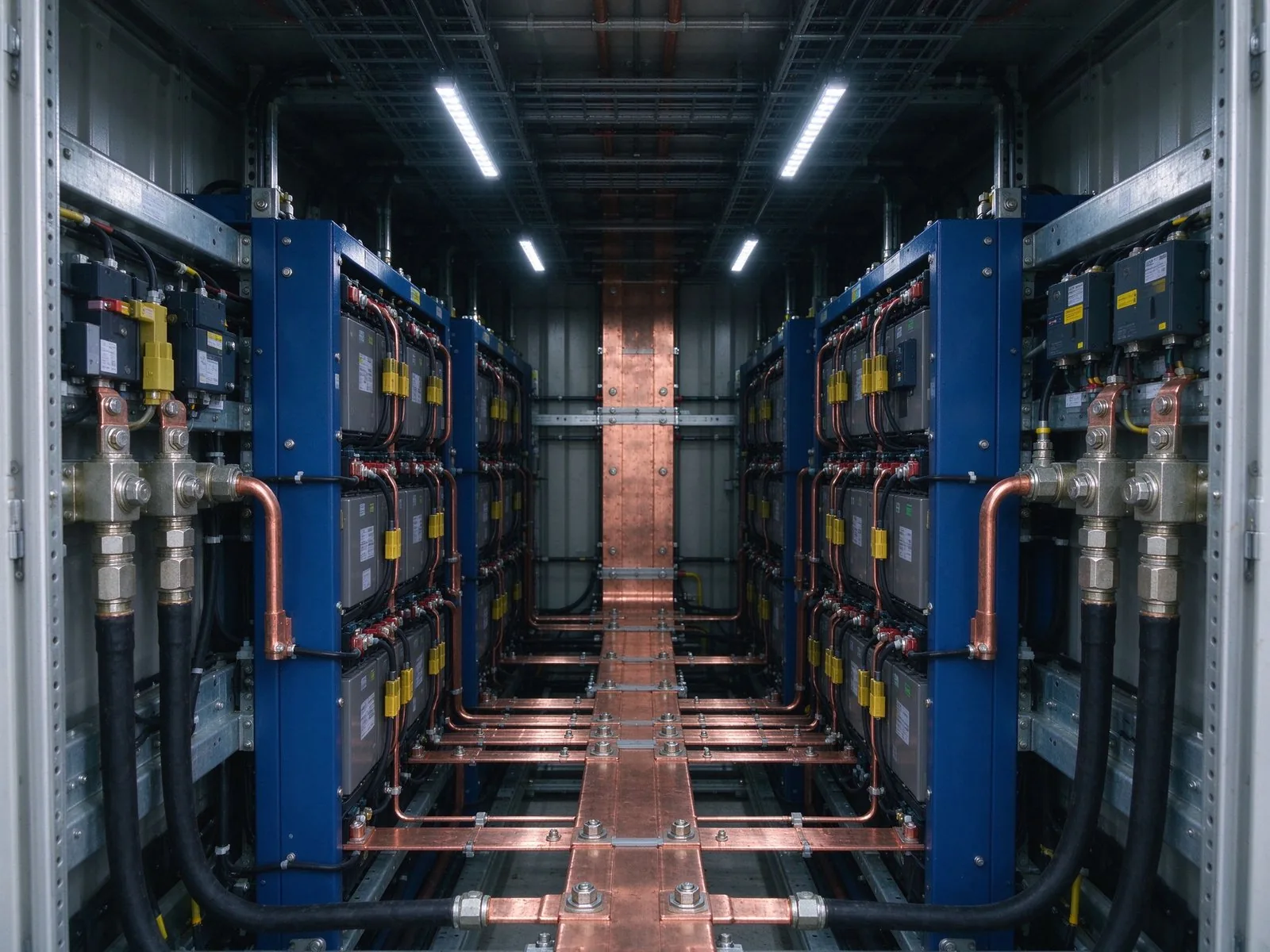
Neither NFPA 855 nor UL 9540A names laminated busbars or interconnect bars directly. But inside the cabinet the busbar and its harness sit between cells and PCS, carry the fault current the protection system must interrupt, and show the earliest physical signs of overheating or insulation failure. Reviewers who understand the system look at that hardware through the records behind it.
What an inspector typically asks to see for the DC interconnect side:
These records matter because a reviewer cannot judge a joint from a quick visual scan. A slightly loose bolted connection shows up in contact-resistance readings, not in appearance, and an insulation spec that never made it onto the drawing leaves the reviewer unable to confirm what is actually on the bar. The mechanics behind those checks are covered in the contact-resistance inspection guide and the quality-control inspection guide; for acceptance purposes the key point is that the checks were done, recorded, and filed in a form the AHJ can read.
On the harness side, inspectors look for cables draped over busbars, unprotected live terminals, retention that lets a harness sag onto a hot surface, and routing that puts insulation within reach of exhaust gas. Ampacity and voltage rating should be documented against the DC bus voltage and fault duty, not assumed from the cable jacket rating alone.
After any thermal event - a cell vent, a local overheating episode, a suppressed small fire - the post-event disposition of the DC hardware becomes part of the inspection file, whether the review happens immediately or years later when the unit comes back for augmentation. What inspectors look at first is the residue pattern: soot and deposits on the busbar, insulation discoloration, melted or stiffened harness sections, plating damage at terminals, and evidence of arc or melt at the contact faces.
The judgment of what can stay and what must be replaced follows the manufacturer's guidance and the project specification; there is no universal visual threshold in the model codes for declaring a busbar reusable. Hidden damage matters more than surface residue: insulation that looks intact after heating may have aged internally, and a joint that tightened during a temperature cycle may show loosening only under a contact-resistance or retorque check. "No visible damage" is not a pass condition on its own.
Every disposition should leave a record: which bars, straps or harnesses were replaced, the lot or serial of the replacement hardware, what re-inspection or retest was performed after replacement, and the update to the as-built drawing and maintenance log. Where hardware was repaired in place - a terminal reworked, insulation renewed - the record should show who authorized it, what check was repeated, and whether the change deviates from the original listing configuration. The routine side of this work is covered in the maintenance and troubleshooting guide; the acceptance angle is that these records are what a future reviewer will rely on.
Reusing hardware that should have been replaced is one of the most serious findings a post-event review can make, because it combines a safety question with a documentation failure. It is also entirely avoidable if the inspection criteria and replacement traceability were defined before the event instead of reconstructed after it.
Putting the package together early is cheaper than reconstructing it under a correction notice. Most AHJ submissions group into six categories, each with its own record trail.
Reviewers check internal consistency across these categories as much as completeness within them. A one-line diagram that shows more clusters than the report covers, a drawing whose setbacks differ from the narrative, or a maintenance plan missing from the package all read as unresolved items even when each document on its own looks finished. Standard forms and record templates that support this file are collected on the quality documents reference page; the project-specific drawings and reports still come from the EPC and integrator.
One practical habit: keep a master index in the package that maps each drawing, report and record to the code topic it addresses. Reviewers who can follow that map quickly are less likely to issue a notice asking for documents that were already filed in the wrong folder.
The final walk-through is where document promises meet physical reality. The inspector moves between cabinets and rows checking the items that drawings cannot show: labels and serial plates fixed and legible, access kept open, raceways and busbar supports properly fastened, terminal covers in place, detection and suppression equipment tagged and current, warning signage fitted, and housekeeping kept clear of electrical zones.
Walk-through findings usually split into two kinds. Advisory observations are cosmetic or housekeeping items that do not block energization but should be corrected and confirmed later. Deficiencies are findings tied to a safety or listing concern - a missing record, an arrangement that does not match the report, hardware outside its listed configuration - and these carry a responsible party and a due date before acceptance can close.
The walk-through itself should be recorded: what was observed, which category each finding belongs to, who owns the correction, and the date by which evidence will be returned. A written record prevents a second visit from reopening something that was already resolved verbally. For the project team, the best preparation for this gate is the same as for the permit review: the as-built condition should match the submitted package, and the person walking the inspector through should know where every relevant record lives.
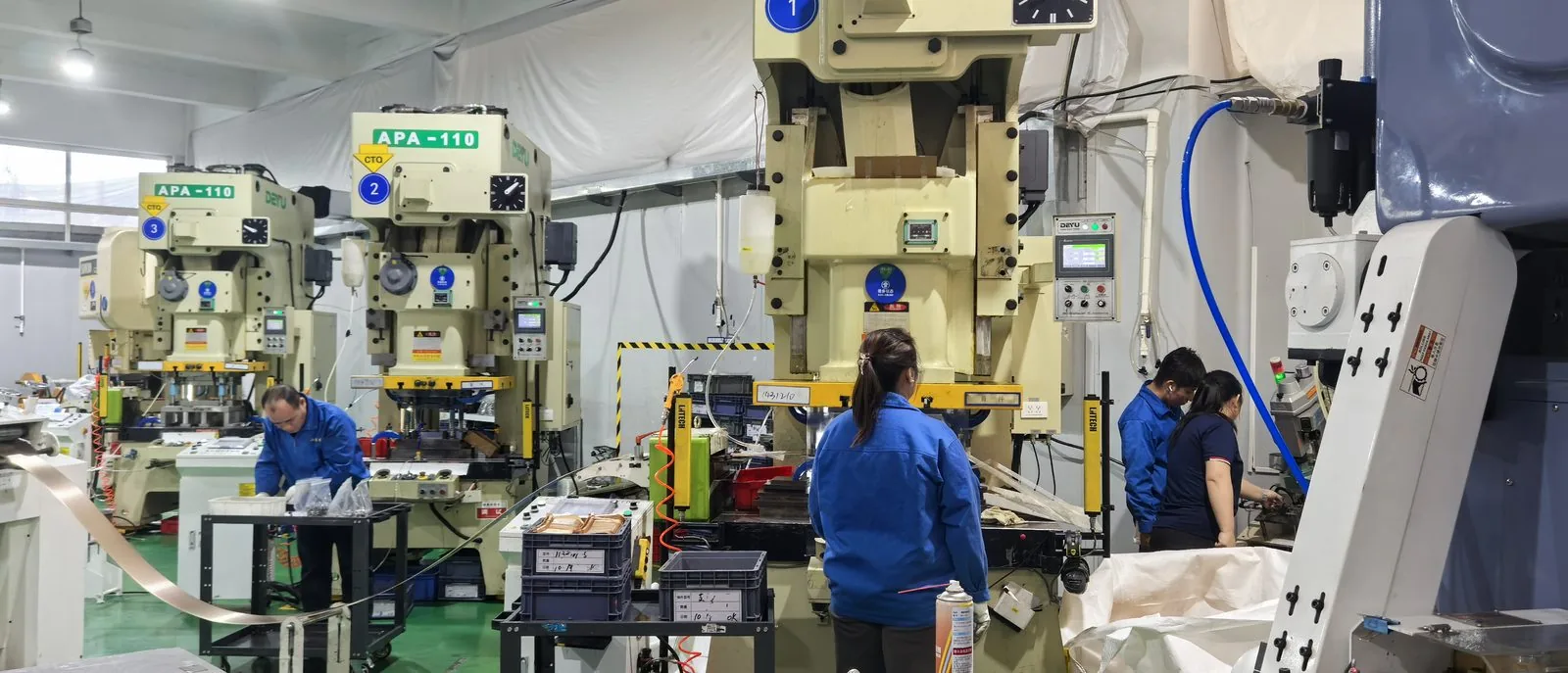
The table below maps the inspection item an AHJ most often questions, the evidence expected in the submission, and the deficiency that typically opens a written notice. It reflects recurring acceptance patterns across storage projects, not a universal code checklist; the local jurisdiction's adopted code version governs the actual requirement.
| Inspection item | Required submittal / evidence | Common deficiency that opens a notice |
|---|---|---|
| Report-to-configuration match | UL 9540A report covering the installed cell, module, unit and enclosure; model and serial range identified | Report is for a different cell supplier or a revised enclosure; conclusions do not match the installed layout or cluster count |
| Separation and setback | Test conclusion or code default cited on the layout drawing, with tested configuration named | Spacing reduced without a report basis; setbacks not dimensioned on the as-built; drawing and narrative disagree |
| DC interconnect condition | Busbar drawing, insulation specification, torque record and contact-resistance or joint inspection record | Torque log missing; joints not checked after assembly; insulation spec absent from the drawing; lot traceability incomplete |
| Wiring and harness | Cable schedule with rating and ampacity, routing clearance to hot surfaces, retention and terminal protection records | Harness draped over busbar; live terminals unprotected; ampacity and rating not documented against DC bus duty |
| Change control | Revision log and any re-evaluation performed after supplier substitutions or cluster changes | Added clusters or a changed supplier are not reflected in the submitted report package; revisions stop at an earlier design freeze |
| Maintenance readiness | Approved inspection schedule, record forms, torque and contact-resistance intervals, spare-parts list | No written maintenance plan; intervals undefined; record forms not provided for the operating period |
| Post-event disposition | Replacement lot and serial, retest or re-inspection record, updated as-built and maintenance log | Damaged hardware reused without inspection or documented replacement; disposition never recorded |
Notice patterns cluster in two places: configuration mismatch between report and installed build, and missing joint-level records on the DC side. Both are documentation failures first and engineering failures second, which is why organizing the package before the inspection does more to speed acceptance than any last-minute design change.
Acceptance is not a one-time sign-off that locks the project for its life. Any change that moves the system away from the configuration the submitted evidence covered reopens a portion of the review. The usual triggers are adding battery clusters, swapping cell or module suppliers, relocating the PCS, changing the enclosure or venting, extending the system's duty cycle, or replacing the DC interconnect design after an upgrade.
The working rule reviewers apply is simple: if the change affects what the fire evidence was tested on, the project should notify the AHJ and determine whether re-evaluation - or a fresh report at the relevant level - is needed before the modified configuration runs. Re-running an approval after construction is more expensive than flagging the change in the submission stage, and a modification that was never reported is harder to defend than one that was reviewed and approved in scope.
DC hardware questions of this same kind appear in adjacent high-power sectors, which is why the acceptance discipline transfers beyond storage. Megawatt charging systems pack large-current DC interconnects into similarly dense enclosures, and the busbar layout, terminal and harness evidence needed there follows the same record discipline described in the megawatt charging busbar article. Electrolyzer plants carry low-voltage, high-current DC from rectifier to stack, and the routing, insulation and joint-verification points are compared in the electrolyzer DC busbar article. Where a supplier serves several of these sectors, the inspection records should carry across projects instead of being rebuilt each time.
After energization, the obligation to keep records continues through the operating life of the storage array. The maintenance plan filed at acceptance defines the recurring checks: visual inspection of cabinets and interconnects, retorque and contact-resistance verification on bolted joints, insulation condition surveys, and a residue and damage review after any alarm or thermal event. Each check produces a record that goes into the same file the next inspection - or the next post-event review - will open.
Recordkeeping is what turns routine maintenance into defensible evidence. A joint checked and logged four times a year shows a trend the inspector can follow; a joint with no records since commissioning has to be treated as unknown, regardless of how it looks. The same applies to spare parts: the busbar and harness lot numbers held in stock should match the approved configuration, so a replacement does not quietly introduce an off-list supplier.
Weak records undermine an otherwise compliant installation. Reviewers at a later inspection do not distinguish between a system that was never maintained and one that was maintained but never logged; both read as an unverified condition. Keeping the log current, and retaining it for the period the jurisdiction requires, is the cheapest acceptance insurance a storage owner can buy.
Busbar and interconnect suppliers sit one level below the integrator in the acceptance chain, but their documents often decide whether the integrator's package closes. What a supplier should be able to provide, early in the project rather than after a notice, covers material traceability and inspection evidence: conductor and plating certificates, insulation material and compatibility data, lot and batch identification, dimensional and electrical check records from production, drawing revision history, and a description of the quality system under which the parts were made.
That package feeds directly into the interconnect section of the AHJ file, and it also answers the due-diligence questions developers increasingly ask of any purchased component. The points to evaluate when choosing a hardware partner - inspection capability, traceability, documentation practice and design support - are laid out in the busbar supplier due-diligence guide, and the records standard SHANYUAN maintains are described on the quality practice page.
Two practical notes for procurement. First, ask for the acceptance-ready documents at RFQ stage, when the supplier can build them into the production flow; chasing certificates and lot records after the parts are on the shelf delays the whole submission. Second, keep the supplier's drawing revisions linked to the project's change log: a bar redesigned for a manufacturing improvement should arrive with a revision note that the integrator can file against the original submittal. If the interconnect design changes during the build, the supplier's record trail should show exactly what changed and what was rechecked.
The items below are the pass-through checks a project team can run before the first meeting with the code contact. They do not replace the jurisdiction's adopted requirements; they keep the package from raising avoidable questions.
Acceptance risk on most storage projects is not exotic engineering failure. It is missing traceability, a report that does not match the build, and joint records that were never kept. Those are problems an organized file solves before the inspector arrives. For the inspection-side quality routines behind that file, the quality-control inspection guide walks through the incoming, in-process and outgoing checks that produce usable records.
UL 9540A Ed.6 (published March 2026, effective January 2027) adds a large-scale fire test
Read article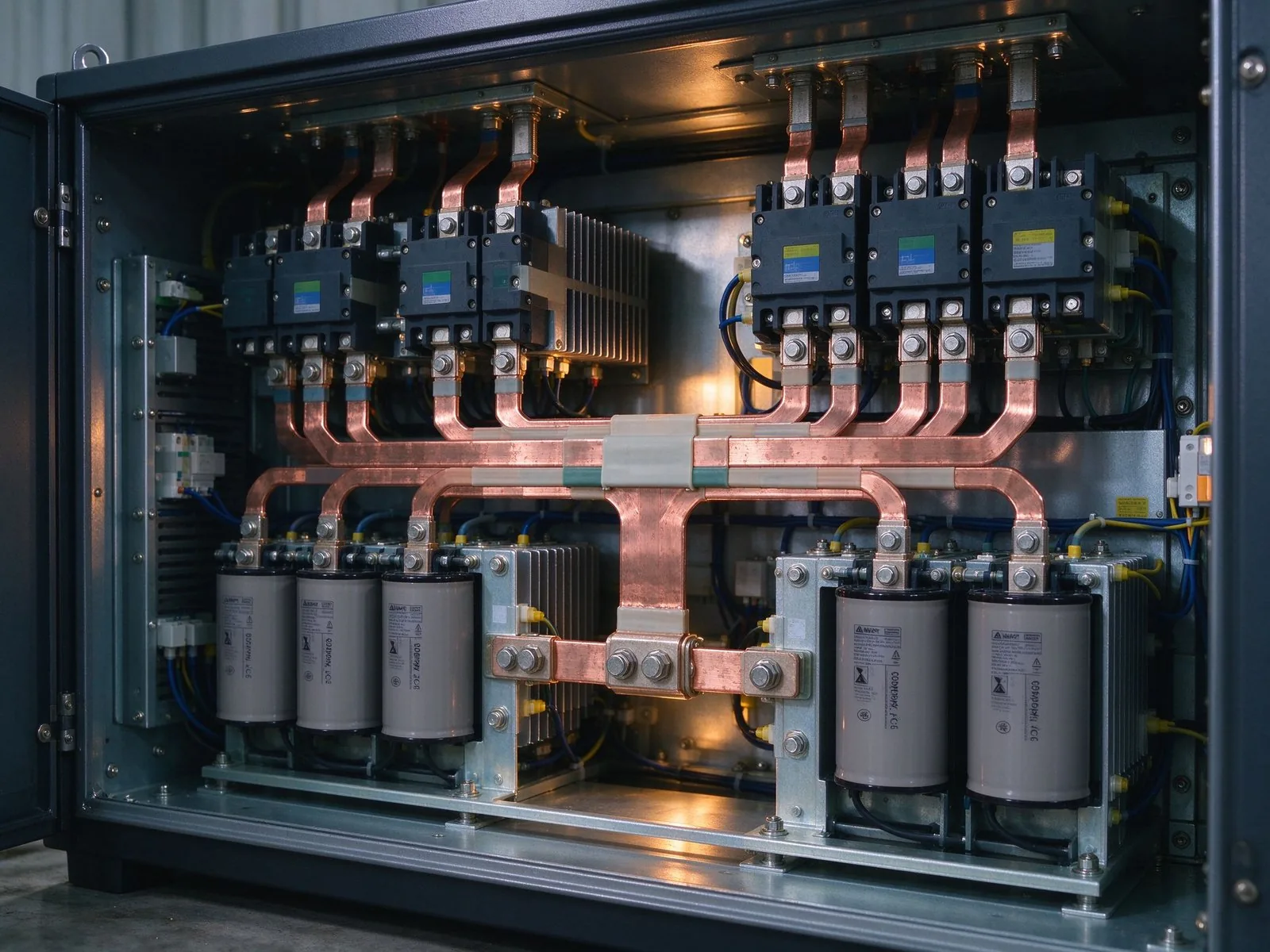
As 2020-2022 two-hour BESS fleets hit augmentation, the DC busbar is the bottleneck owners
Read article
Emily Novak analyses energy-storage, grid and new-energy markets and turns them into procurement-ready technical content. With 7 years in energy market research and technical writing, she covers BESS growth, HVDC projects and regulatory shifts that change busbar demand. She holds an M.A. in Energy E
Send the current profile, voltage class and terminal types — our engineers reply within one business day.