2026 is the year gallium nitride stopped being a fast-charger story. Yole Group's Power GaN 2026 report puts the market at roughly USD 0.59 billion in 2025, growing 50–58% to about USD 0.9 billion in 2026, with AI data center power and automotive onboard charging as the new marginal demand. Inside an 800VDC rack, the GaN intermediate bus converter and the DC busbar feeding it are the same conversation.
2026 is the year gallium nitride stopped being a fast-charger story. Yole Group's Power GaN 2026 report puts the market at roughly USD 0.59 billion in 2025, growing 50–58% to about USD 0.9 billion in 2026, with AI data center power and automotive onboard charging as the new marginal demand. Inside an 800VDC rack, the GaN intermediate bus converter and the DC busbar feeding it are the same conversation.
Yole Group's Power GaN 2026 report sizes the power GaN device market at a 35% CAGR through 2031, reaching about USD 3.5 billion, with consumer and mobile electronics still anchoring USD 1.7 billion of 2031 revenue while automotive onboard chargers and 48V systems compound at 57% and telecom/infrastructure — largely AI data-center power — at 45% toward USD 750 million (SpecForge, October 2026; Sina Finance, October 2026).
The growth rate was not the news; the composition was. Consumer fast chargers stopped being the engine. AI data center power and vehicle electrification became the marginal sources of demand, which changes who buys, who qualifies and what gets built around the device.
Yole puts the automotive segment — onboard chargers (OBC) and 48V architectures — at a 57% CAGR for 2025–2031, and telecom/infrastructure at 45%. Those two segments are the structural story of 2026: GaN's high-frequency switching shrinks magnetics and raises power density exactly where racks and vehicles are space- and heat-constrained.
For the power-chain supplier the implication is direct: more GaN converters means more high-frequency DC links, and each DC link is a laminated busbar design problem with its own impedance, thermal and connection requirements.
The 800V HVDC architecture promoted by NVIDIA entered its landing year in 2026 (Sina Finance, citing CICC, October 2026). Public estimates put an NVL576-class Kyber rack at roughly 100,000 GaN devices with about USD 180,000 of GaN value per rack; a 1,000-rack, 1 MW-class facility would thus carry around USD 180 million in GaN device procurement.
Those numbers are design-intent, not shipment — 2026–2027 remains architecture validation, sampling and small-batch production, with revenue lagging design wins. But the direction is unambiguous, and the 800 VDC busbar path is being drawn into the same reference designs.
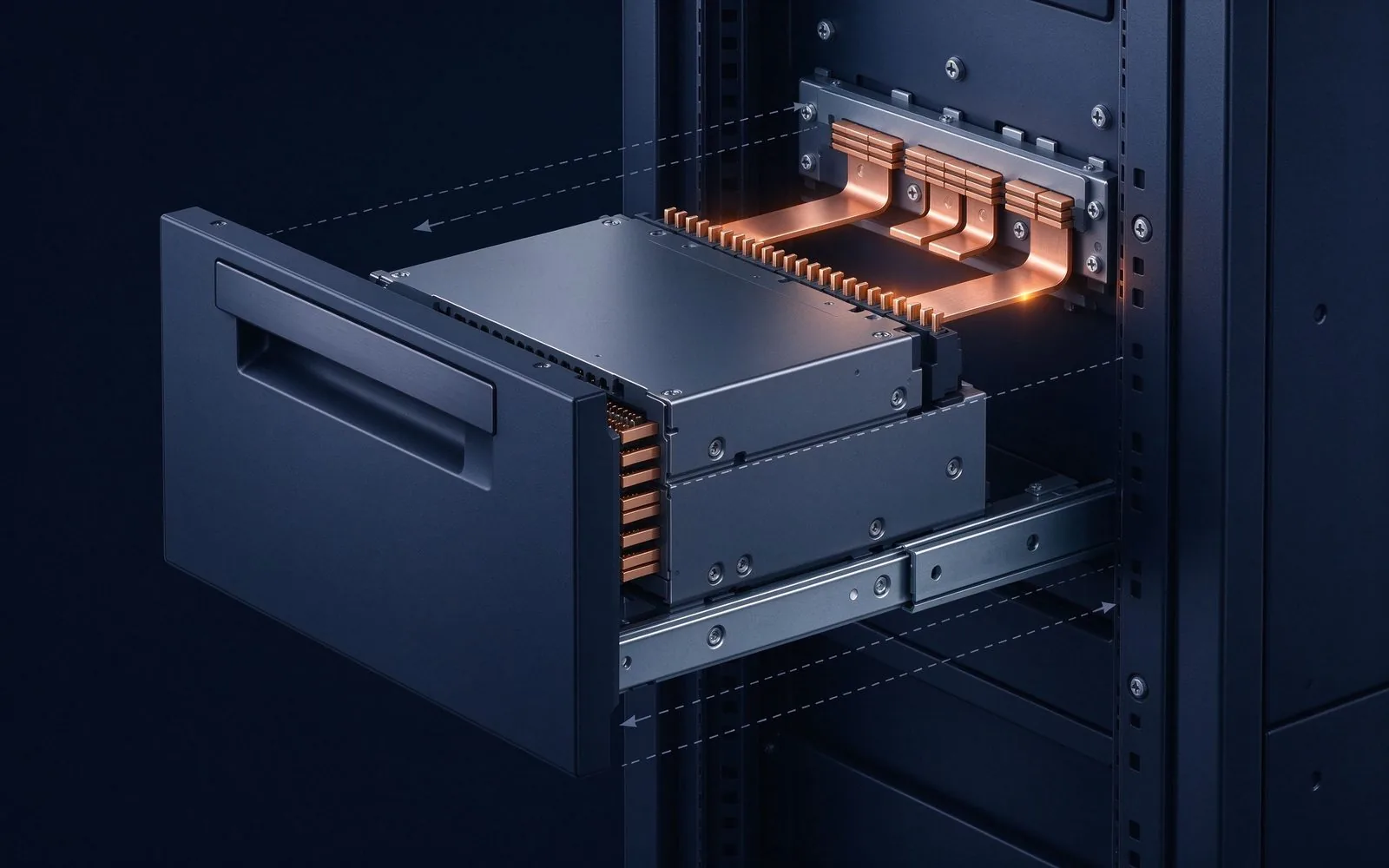
In October 2026, at NVIDIA's GTC in Berlin, Infineon expanded its GaN collaboration with NVIDIA for 800VDC power conversion, focusing on high-voltage intermediate bus converters (IBCs): GaN devices supporting 800V-to-50V, 800V-to-12V and 800V-to-6V at switching frequencies up to 1 MHz, which allows smaller magnetics, lower board heights and higher power density (Power Semiconductors Weekly, October 2026).
The collaboration builds on work started in May 2025 aimed at serviceable, hot-swappable 800VDC racks. GaN's low switching and conduction losses matter at megawatt-scale rack power — and so does the copper path around it: the IBC's input bus, output bus and low-inductance layout carry the current the GaN stages switch.
March 2026 brought Texas Instruments' 800V-to-6V GaN bus converter at 97.6% efficiency; October 2026 brought Navitas' 24 kW GaN board; onsemi launched its GaNEXUS portfolio in June 2026 spanning 40V to 650V, aimed partly at AI data-center power and 48V systems, and is sampling vertical GaN at 700V and 1,200V (Meticulous Research, October 2026; DataM Intelligence, August 2026). Yole's 2025 share table puts Innoscience first at 31% (Sina Finance, October 2026).
Device diversity is healthy for buyers but stresses the surrounding hardware: each topology change re-opens the power module and DC-link design, keeping busbar engineering in the critical path of every platform refresh.
Infineon is investing €1.1 billion in a 300 mm GaN power semiconductor manufacturing facility in Austria, citing market estimates that the global GaN power market reaches about USD 3.5 billion by 2031 at ~35% CAGR (Power Semiconductors Weekly, October 2026). It also forecasts more than €1.6 billion in AI revenue for fiscal 2026, with multi-year customer capacity reservations (DataM Intelligence, August 2026).
Capacity commitments at this scale confirm the architecture bet. When 800VDC racks go to volume, the bottleneck shifts down the power chain — to magnetics, connectors and documented, tested power distribution hardware.
The installed base still runs 48/54V ORv3 shelves on 100 kW-class racks with hybrid Si/SiC/GaN CRPS power supplies; native 800VDC halls are reference designs and qualifications, with Kyber-class deployment expected in 2027 (Inside Deep Tech, August 2026). The transition is a bridge, not a flip: existing 48V racks keep shipping while 800VDC qualification proceeds in parallel.
Busbar suppliers already serving 48V and 800V DC power distribution can support both generations with the same design disciplines — impedance control, insulation coordination and thermal management differ in degree, not in kind.
GaN switches at 1 MHz; that frequency puts busbar inductance and parasitic capacitance directly into the converter's loss and EMI budget. High-frequency current also concentrates at conductor surfaces, so skin-effect and current-sharing design matter more than at line frequency. The DC-link busbar for a GaN IBC is engineered for low inductance and controlled impedance — the same discipline documented in our high-frequency busbar design guide.
At the rack level, the 800V bus from PSU to IBC and the vertical distribution path are current-carrying structural elements: converter-grade laminated busbars with verified creepage, PD-free insulation and tested terminations.
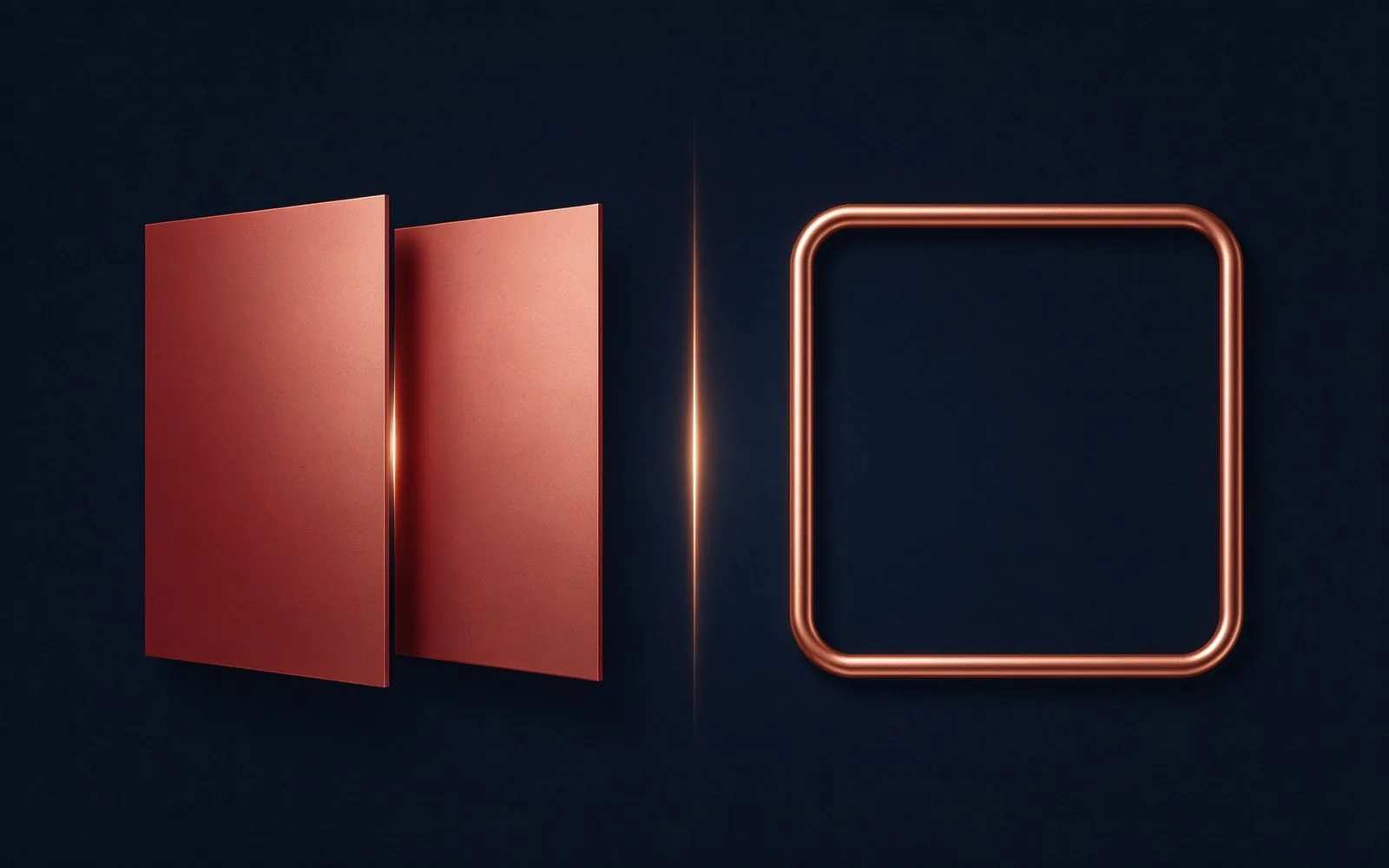
Every efficiency point saved in conversion is heat removed from the rack and power returned to the operator's budget. TI's 97.6% 800V-to-6V GaN bus converter illustrates the ceiling; SiC bidirectional chargers at 97%+ in both directions show the same pattern on the vehicle side. Higher bus voltages and higher conversion efficiency both lower the current the busbar must carry for a given delivered watt.
That does not shrink the busbar business — it shifts it: fewer amps at higher voltage demands better insulation engineering and precise thermal sizing, not heavier copper.
If your 2026–2027 program touches AI racks, onboard chargers or 48V systems, read GaN adoption as a topology signal: ask for DC-link inductance targets, switching-frequency-aware busbar layouts and insulation ratings at the new voltage class. Reference designs are available; component qualification and serviceability are the differentiators.
Our supplier evaluation framework covers the documentation, testing and manufacturing depth checks that 800VDC programs now enforce on power-chain partners.
SHANYUAN supplies laminated busbars for EV, ESS and power-electronics customers: C11000 copper, 1–6+ layers, ~1000 A class, PET/Nomex/DLF dielectrics, tin-plated contacts, M6/M8 stud, blade or welded terminals, from a 17,200 m² Rizhao factory exporting to 20+ countries.
For GaN-based converter programs, engineering input starts at the drawing: DFM review, impedance checks and prototype samples before volume, with per-lot test records following the product.
Three milestones: Kyber-class 800VDC racks entering production validation (2027), vertical GaN at 700–1200V moving from sampling to qualification, and the EU charger mandate pulling GaN/SiC deeper into vehicle power chains from 1 January 2027. Each milestone reopens a power-path design — and its busbar.
The busbar takeaway: higher voltage, higher frequency, tighter space. All three favor engineered, documented laminated busbar systems over generic stamped parts.
Busbar lead times and qualification cycles are longer than device samples, so engage early. Send your converter topology, voltage class and mechanical envelope via the contact page; engineering responds within one business day with sizing, documentation and a quotation path.
Related on this site: 800VDC and liquid cooling rewire the data center, SiC power module market, and SiC/IGBT DC-link busbar design.
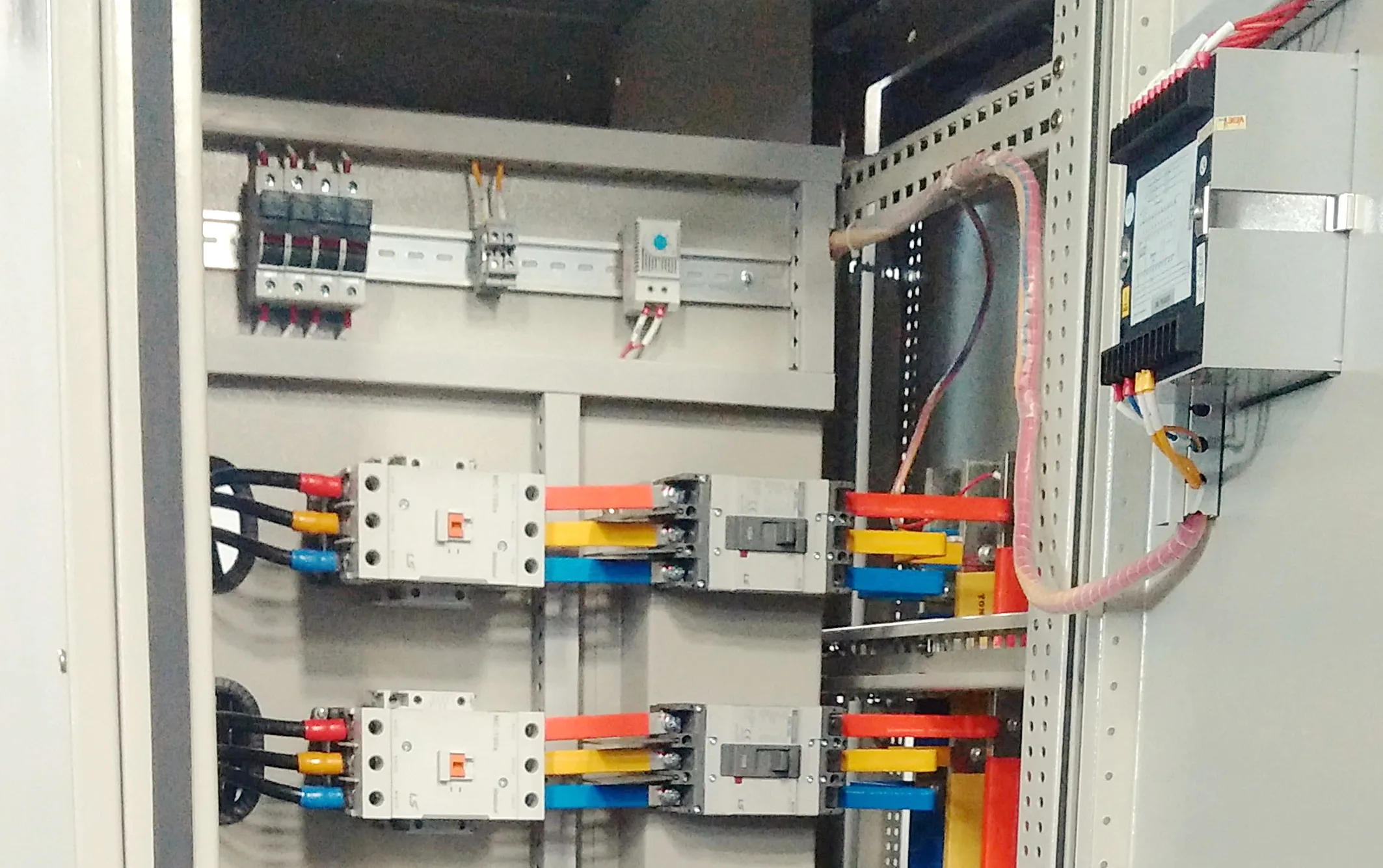
Rack power has jumped from 5–10 kW to 120–227 kW and air cooling tops out around 30–40 kW.
Read article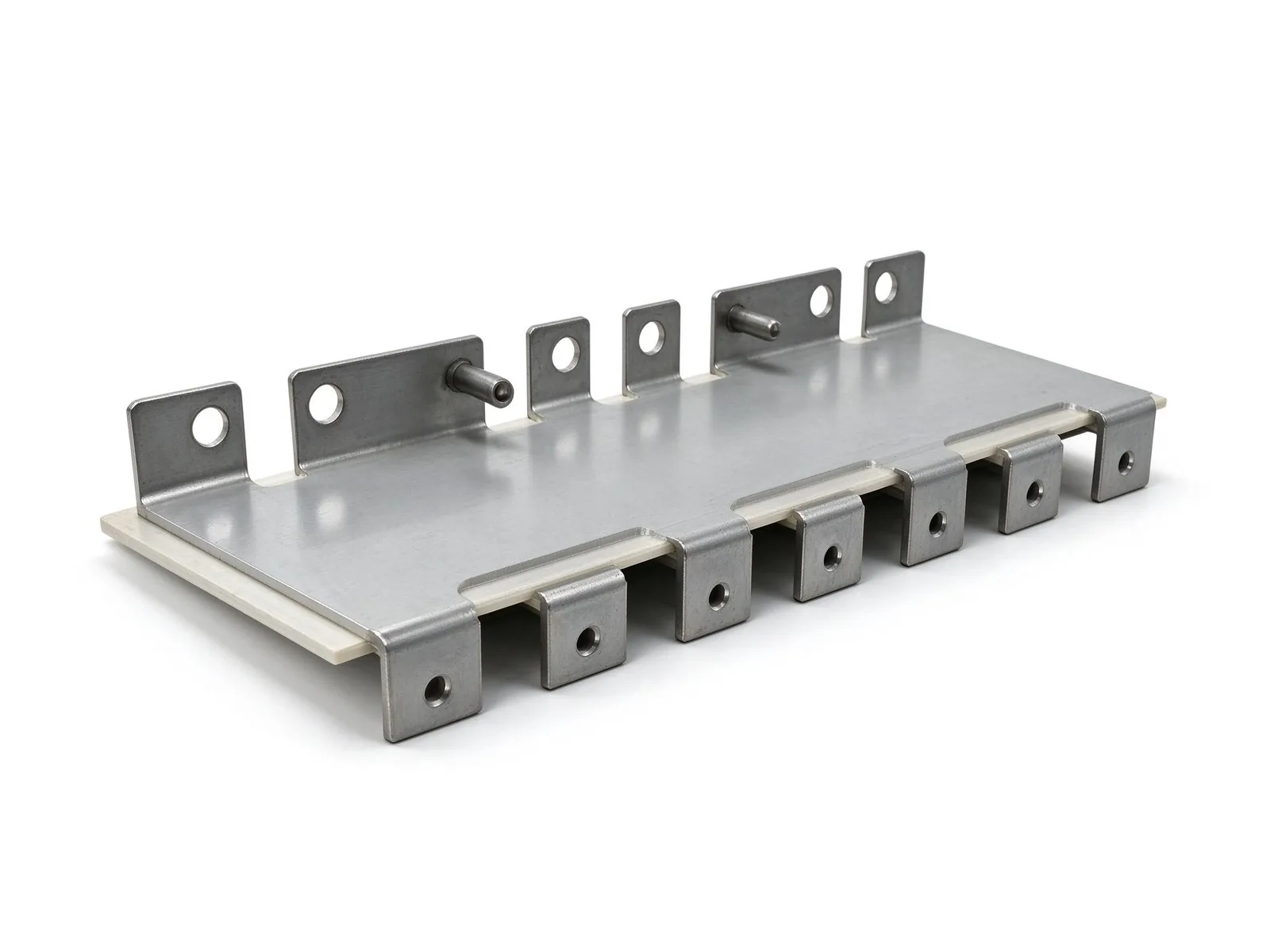
SiC is scaling up — literally. Eight-inch wafer capacity is expanding at double-digit CAGR
Read article
Higher switching speeds from SiC MOSFETs and modern IGBTs are pushing the DC-link busbar t
Read article
Emily Novak analyses energy-storage, grid and new-energy markets and turns them into procurement-ready technical content. With 7 years in energy market research and technical writing, she covers BESS growth, HVDC projects and regulatory shifts that change busbar demand. She holds an M.A. in Energy E
Send the current profile, voltage class and terminal types — our engineers reply within one business day.