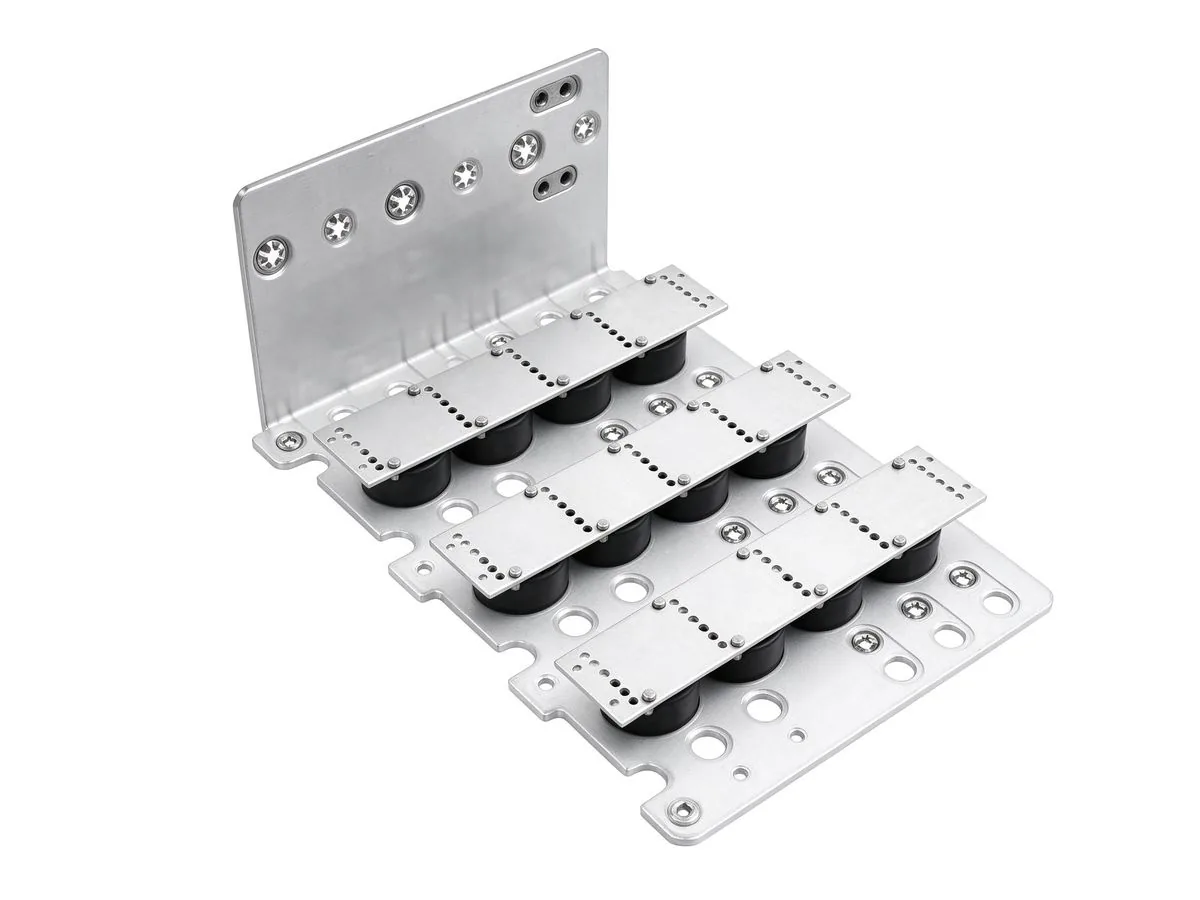
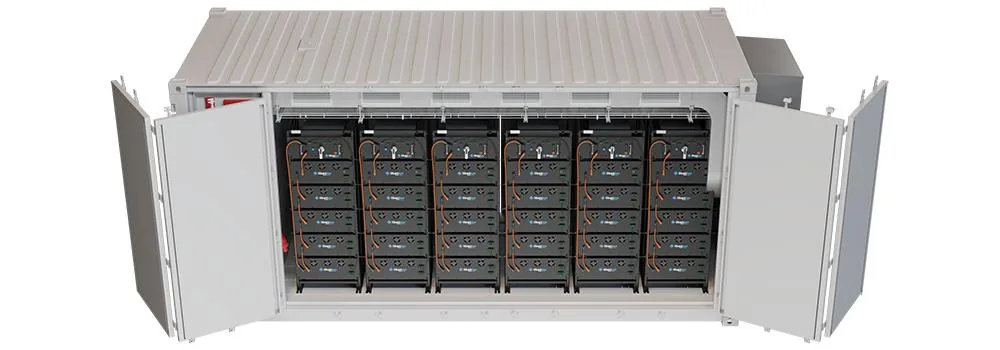
RailVolt Traction Systems, an Indian rolling-stock supplier, engaged SHANYUAN for the traction converter DC-link busbar of a new regional locomotive. The part — 1800 V isolation, 2500 A continuous, designed to IEC 61373 category-2 vibration — completed type testing in 2025 and entered series production for 120 locomotives in 2026, with a 20-year service life target.
This case study is published as a representative engineering project. The product photograph and released drawing are illustrative of the delivered part; exact dimensions are covered by the customer's non-disclosure agreement.
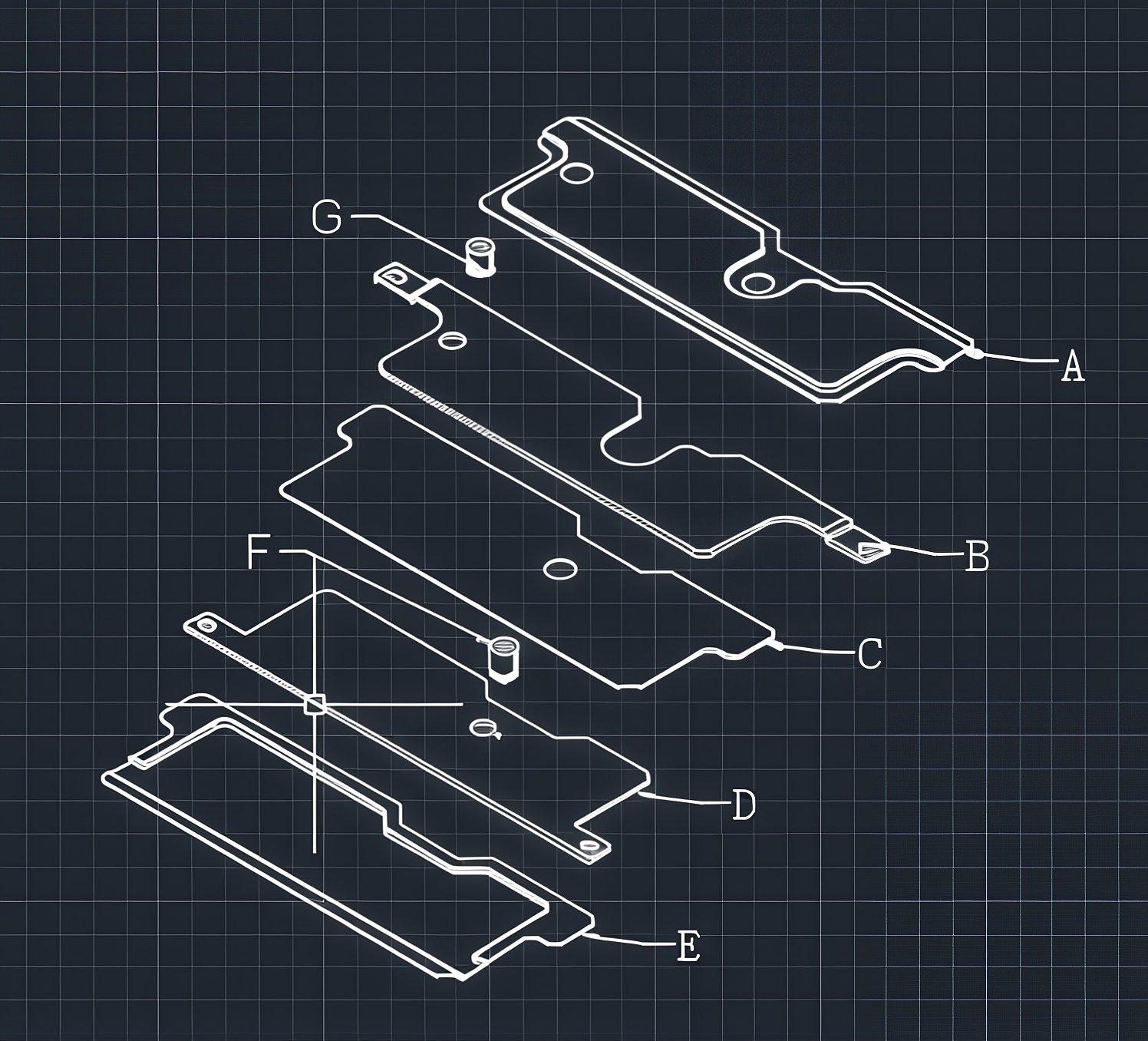
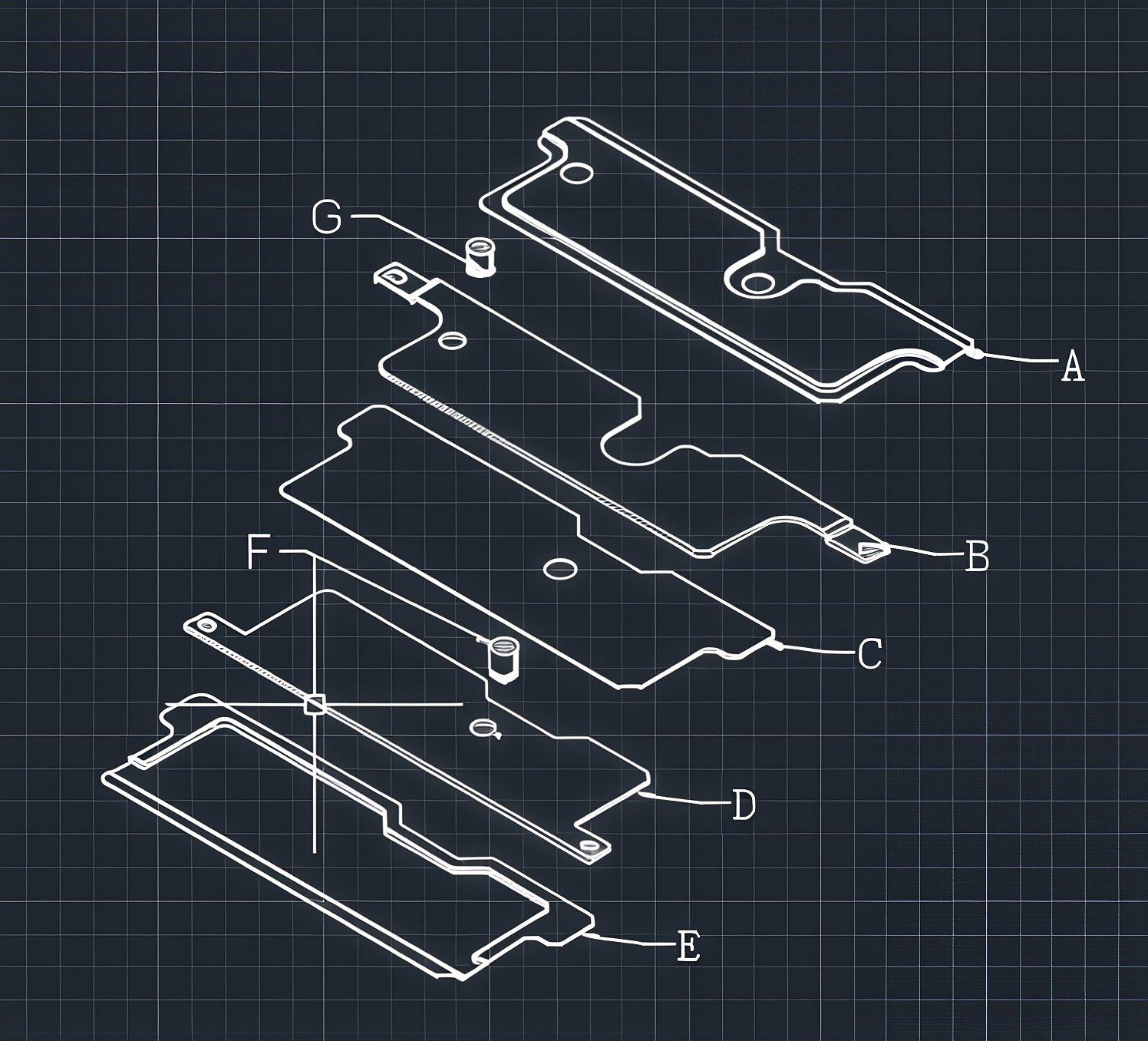
Customer drawings are treated as confidential; excerpts shown here are provided with permission and illustrate the layer stack, terminal layout and dielectric boundaries of the delivered part.
| Customer & platform | RailVolt regional locomotive traction converter, 2500 A DC-link |
|---|---|
| Busbar type | Multi-layer laminated DC-link busbar, C11000 copper, 2.5 mm conductors |
| Dielectric system | Nomex + epoxy, 1800 V isolation, PD-free to 1.2 kV |
| 정격 전류 | 2500 A continuous, 4000 A 2 min |
| 온도 상승 | ΔT 28 °C at rated current, 70 °C ambient |
| Vibration | IEC 61373 category 2, 3 axes, 5 h each |
| Terminals | M12 studs for IGBT press-packs, blade for capacitor bank |
| Production | 120-locomotive program, 100% hi-pot and inductance scan |
| Quantified result | 1800 V isolation, cat-2 vibration pass, 28 °C ΔT, 2500 A |
RailVolt Traction Systems, an Indian rolling-stock supplier, engaged SHANYUAN for the traction converter DC-link busbar of a new regional locomotive. The part — 1800 V isolation, 2500 A continuous, designed to IEC 61373 category-2 vibration — completed type testing in 2025 and entered series production for 120 locomotives in 2026, with a 20-year service life target.
RailVolt's new regional locomotive uses a 2500 A traction converter with IGBT press-pack modules. Two constraints dominated the busbar design: the converter bay's mechanical envelope left only 40 mm for the DC-link interconnection, and the equipment must survive IEC 61373 category-2 vibration — the most severe rolling-stock environment — without joint fatigue over a 20-year life.
The customer specified 1800 V isolation for the DC-link (covering the catenary transient envelope of the regional network), PD-free operation to 1.2 kV, and a busbar that could be serviced without removing the converter from the locomotive.
SHANYUAN's design review applied the vibration and bolted-joint guide and the rail traction converter article, which covers the DC-link architecture used by modern regional locomotives.
The delivered busbar stacks three conductor pairs with Nomex insulation and epoxy edge sealing, sized for 1800 V isolation with a 20 mm creepage path across the sealed edge. All eight IGBT press-pack connections sit on M12 studs with Belleville washer stacks that maintain preload under vibration — the retention method documented in the vibration guide.
Joint design uses the multi-point contact pattern from the connections guide; each module connection has redundant contact area so a single point's relaxation never breaks the circuit. The capacitor bank connects through blade terminals welded to the stack.
The complete part fits the 40 mm bay envelope with 6 mm clearance to the housing, using the layer-count logic in the layer-count selection guide.
Temperature-rise testing at 2500 A in a 70 °C ambient chamber measured 28 °C rise with the hot spot on the capacitor tabs — inside the 30 °C budget. The thermal management guide documents the forced-air cooling assumptions used for the converter bay.
Nomex 410 was selected over PET for the higher short-term thermal margin during 4000 A overload and for its better dielectric consistency across the 20-year life. The insulation system passed a 4.5 kV hi-pot, PD-free to 1.2 kV, and 1000 thermal cycles from −40 °C to +125 °C. Dielectric selection rules are covered in the design guide and the partial-discharge resource.
Creepage and clearance follow the rail converter voltage class with the margins published in the ampacity chart reference tables.
Type testing ran at the customer's rail test laboratory: IEC 61373 category-2 vibration (3 axes, 5 hours each), thermal cycling, 4.5 kV hi-pot and PD verification. All passed on the first submission; the vibration test showed no measurable joint-resistance drift after 15 g random excitation.
Series production serves the 120-locomotive program at a rate aligned with the customer's converter build: 100% hi-pot and inductance scan per part, with per-batch dossiers from the quality laboratory. The factory tour shows the lamination and hi-pot stations used.
The program's quality plan follows the IATF-adjacent automotive discipline our team runs; the manufacturing process article explains the full production chain from stamping to final test.
The busbar met every target: 1800 V isolation, PD-free to 1.2 kV, 2500 A continuous with 28 °C rise, IEC 61373 category-2 vibration pass, and 20-year service life engineering.
Two locomotive prototypes have accumulated 60 000 km in trial service with zero busbar-related faults, and the customer reports that the converter bay assembly time dropped by 20 minutes per unit compared with the previous bolted-bar design.
For rail traction engineers, the rail and traction application page, the power electronics busbar range and the engineering contact form are the practical starting points.

Nadia Rahman은 전기 부품 품질 시스템에 9년 경력을 가진 품질·컴플라이언스 엔지니어입니다. SHANYUAN의 ISO 9001 및 IATF 16949 프로그램, 입고·출하 검사, UL/IEC 컴플라이언스 문서를 관리합니다. 버밍엄대학교에서 산업공학 학사 학위를 취득했습니다. 버스바 품질 관리와 수출 프로젝트 컴플라이언스 문서에 대해 집필합니다.