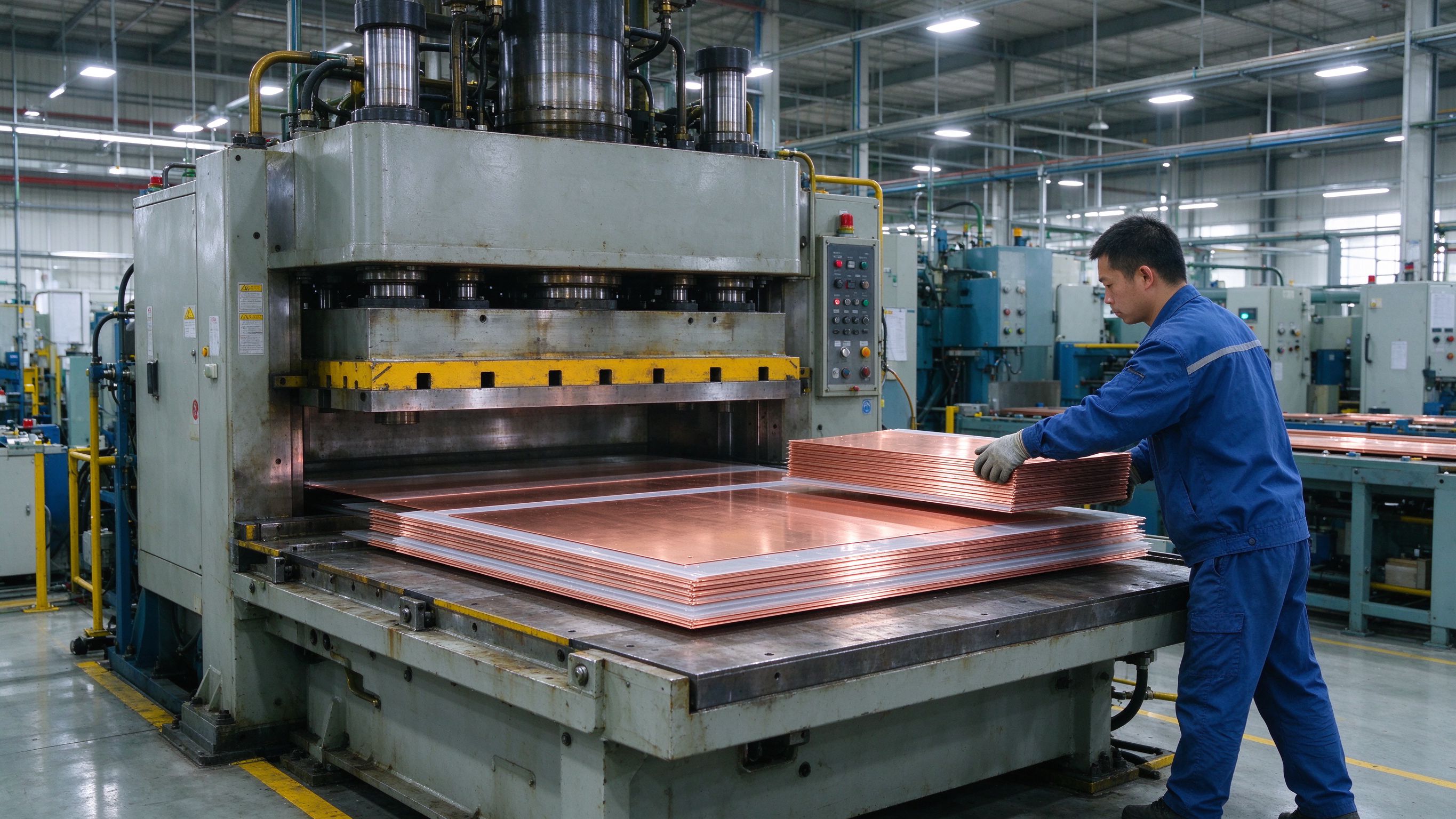
DC fast chargers push high-voltage DC from the rectifier to the vehicle connector with minimal loss. Our EV charging station busbars carry that bulk DC compactly, with low inductance and partial-discharge control at fast-charge voltage levels.
The four places busbars carry current in this application.
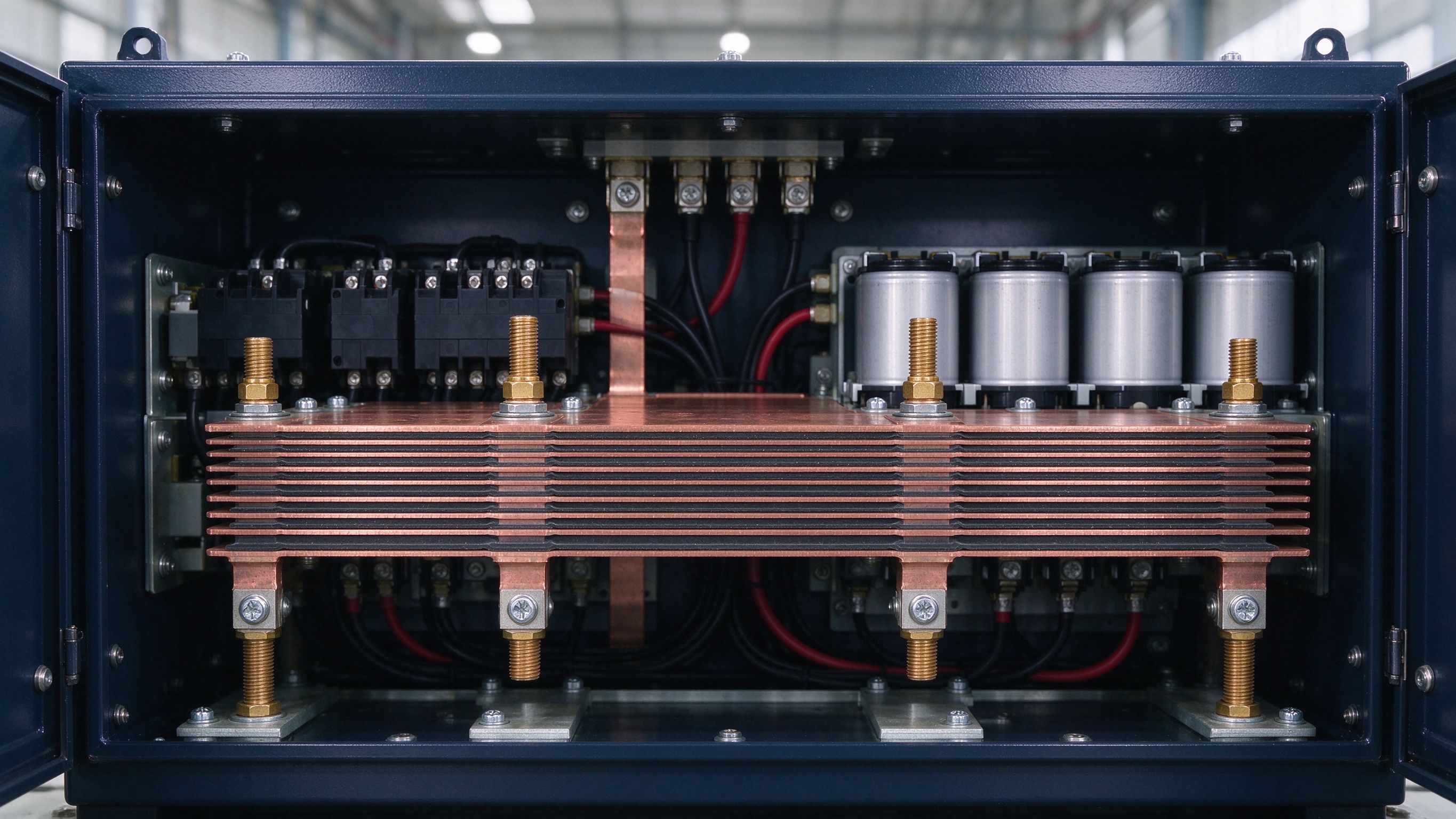
Das laminierte Rückgrat zwischen Gleichrichterausgang und der DC-Link-Kondensatorbank im Leistungsschaltschrank.
Kompakte Mehrlagen-Schienen, die den Groß-DC vom DC-Link zu jedem parallelen Lademodul verteilen.
Kurze, niederinduktive Pfade vom DC-Bus durch die Ausgangsfilterung zur Ladebuchsen-Schnittstelle.
Abgestimmte, symmetrische Stromschienen-Sätze, die parallele Leistungsmodule gleichmäßig teilen lassen.
Kompakte Verbindungen für Vorladewiderstände, Schütze und Ableitpfade im Leistungsschaltschrank.
Integrierte Bolzen und Steckverbinder an der Stromschiene als All-in-One-Übergang zum Ladekabelbaum.
400 V, 800 V oder eine höhere Schnelllade-Architektur – daraus ergeben sich Dielektrikum und Kriechstrecke.
Die Einzelleistung und die Anzahl der Parallelmodule bestimmen die Stromaufteilung und die Leiterdimensionierung.
Ausgangssteckertypen und Kabelbaum-Schnittstelle – integrierte Bolzen oder passend konstruierte Steckverbinder.
Umgebungstemperaturbereich, Luftfeuchtigkeit sowie Salz- oder UV-Belastung bei Installationen am Straßenrand.
Welche Verbindungen vor Ort wartbar sein müssen – geschraubte Bolzen gegenüber geschweißten Laschen, festgelegt im DFM.
Ladegeräte-Hersteller legen den DC-link-Steckverbinder und die Fügeart (geschraubt, gesteckt oder Blindsteckverbinder) nach Dauer- und Pulsstrom fest – wir dimensionieren Schiene und Verbindung gemeinsam für eine 30 °C-Erwärmung.
EV adoption drives roadside fast-charging build-out, and every charging cabinet is a power-conversion station in its own right. The laminated busbar is a key element in the station's power-distribution circuitry: it transfers electricity from the source to the input connector of the charging circuit. Faster charging requires higher voltages, and higher-voltage charging depends on a robust DC link and power-distribution system that the busbar must support.
Inside the cabinet, the laminated busbar forms the DC-link and distribution backbone of the EVSE power stage — carrying the bulk DC from the rectifier to the outlet connector with low loss. Reference designs pair standard laminated bars with compact powder-coated construction where the envelope is smallest; the compact grade trades some voltage headroom (reference up to 2.5 kV AC) for geometry that film lamination cannot cover, and resists harsh roadside conditions including oil and salt. Where charging modules sit in parallel, matched and symmetric busbar sets share current evenly across every module.
At DC-fast-charge voltage levels, the design center shifts to isolation and partial discharge. Optimizing for high-voltage isolation and PD control — sealed edges, no trapped air gaps, verified below the industry reference level of 10 pC — protects the DC-link capacitors and semiconductor switches that charging revenue depends on. Low inductance is the same discipline we apply to EV traction inverters: shorter commutation loops mean lower overshoot (V = L × di/dt), longer capacitor life and cooler operation in sealed cabinets. The same sealed, PD-controlled, outdoor-rugged construction we use for military & aerospace busbars protects roadside cabinets from humidity, salt and wide temperature swings.
Roadside equipment also has to be serviceable without a full teardown. Tooled bolted studs and integrated cable transitions replace hours of hand-built harnessing, eliminate wiring errors, and give maintenance a defined disconnect point. On the vehicle side, our battery busbars family covers module and pack links; on the cabinet side, the power electronics family covers the DC link. Every charger assembly ships with the lot-by-lot hipot, PD and insulation test records your maintenance team can audit. Send us the charger voltage and module layout — DFM feedback within one business day.
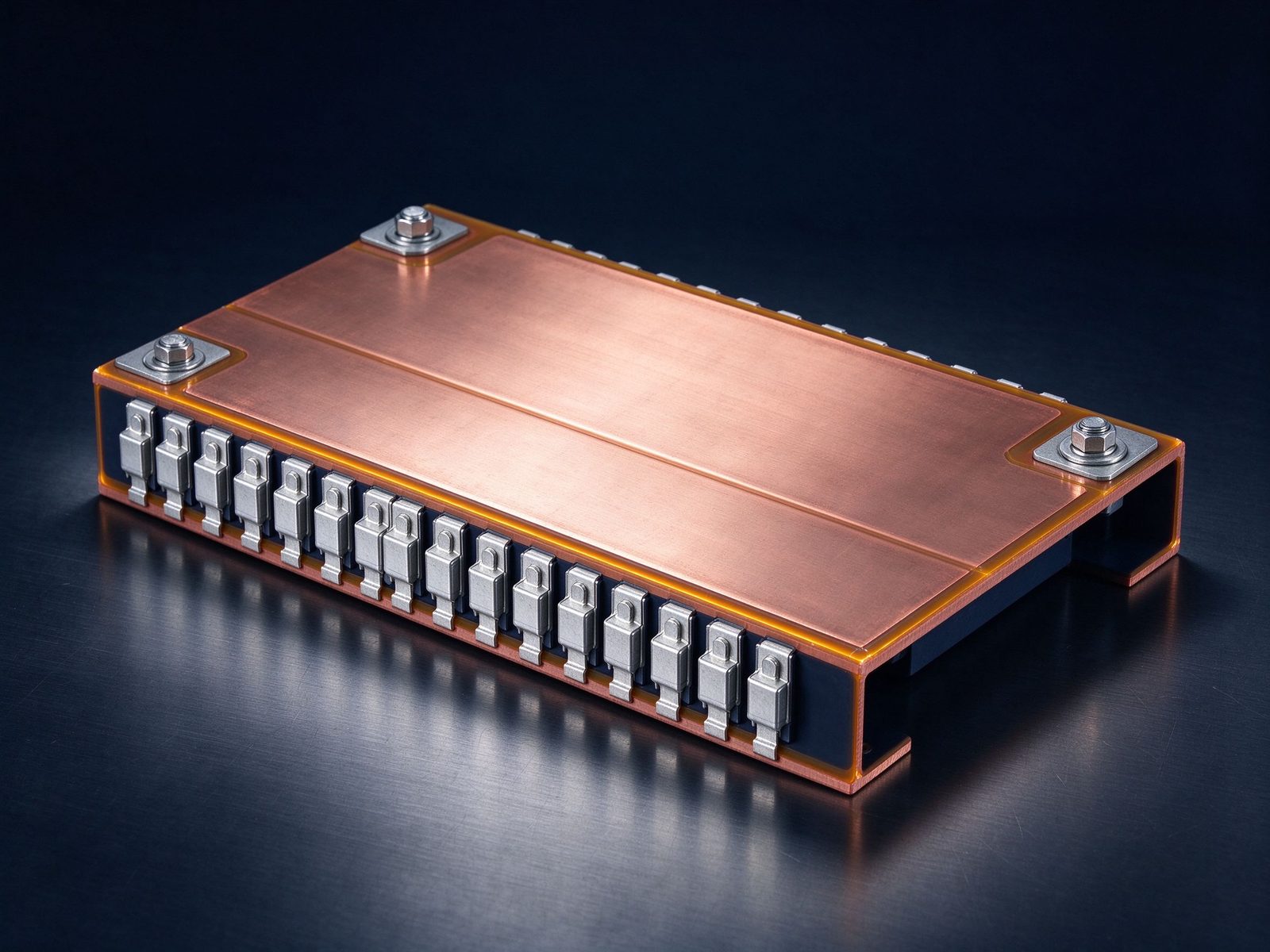
The part this application is built around — a SHANYUAN laminated busbar, factory direct.
Referenzfotos aus der SHANYUAN-Produktion und von versandten Baugruppen.
Ausgewählte Hinweise und Produktseiten, die die Design-Entscheidungen dieser Seite stützen.
Passende Stromschienen-Familien, die das Stromprofil dieser Anwendung tragen.
Laminierte Stromschiene für EV-Traktionsumrichter mit Messeranschlüssen für Hochspannungs-Architekturen.
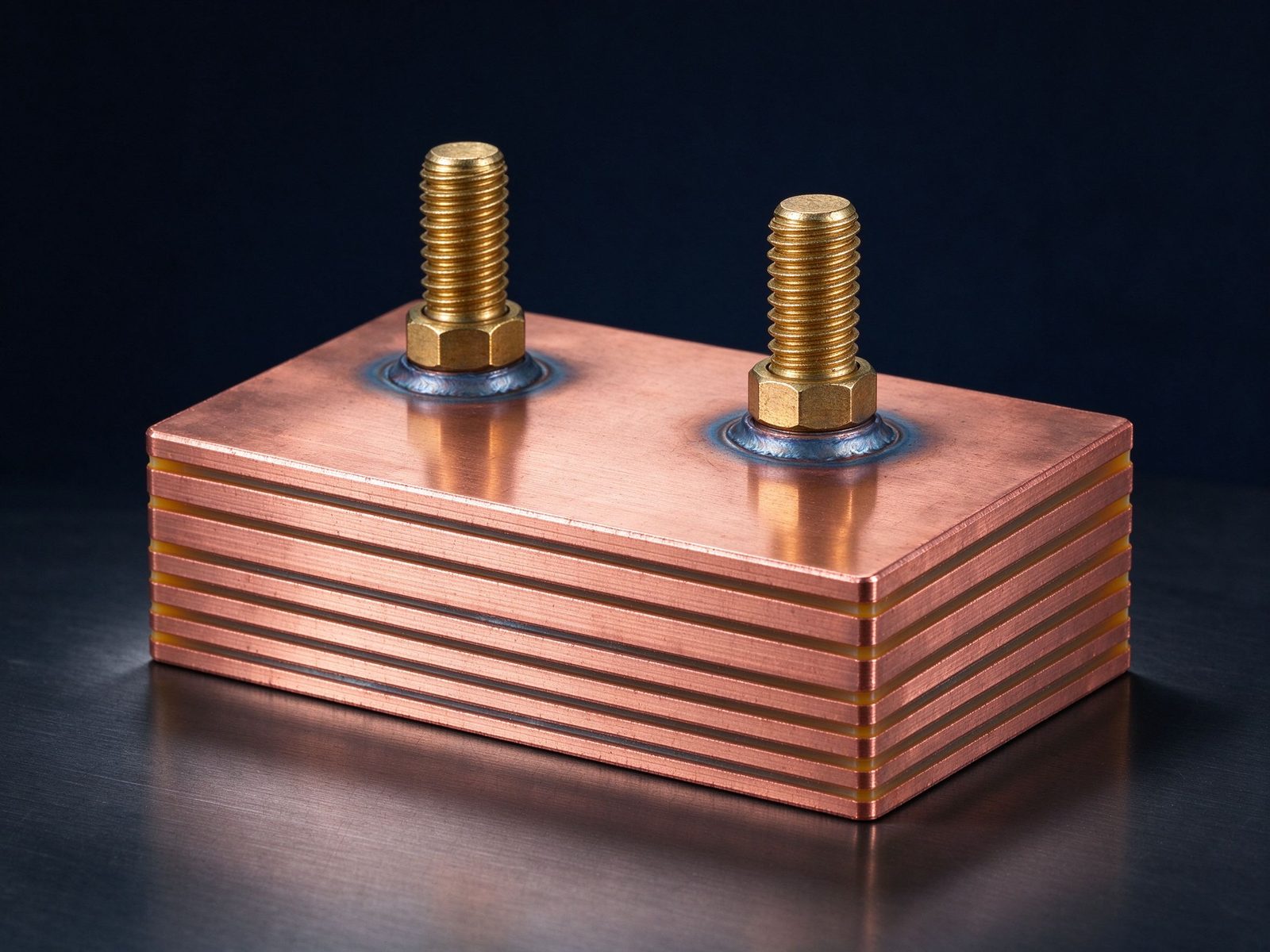
Geschweißte laminierte Stromschienen-Baugruppe für die Hochstrom-Leistungsverteilung mit vormontierten Anschlu
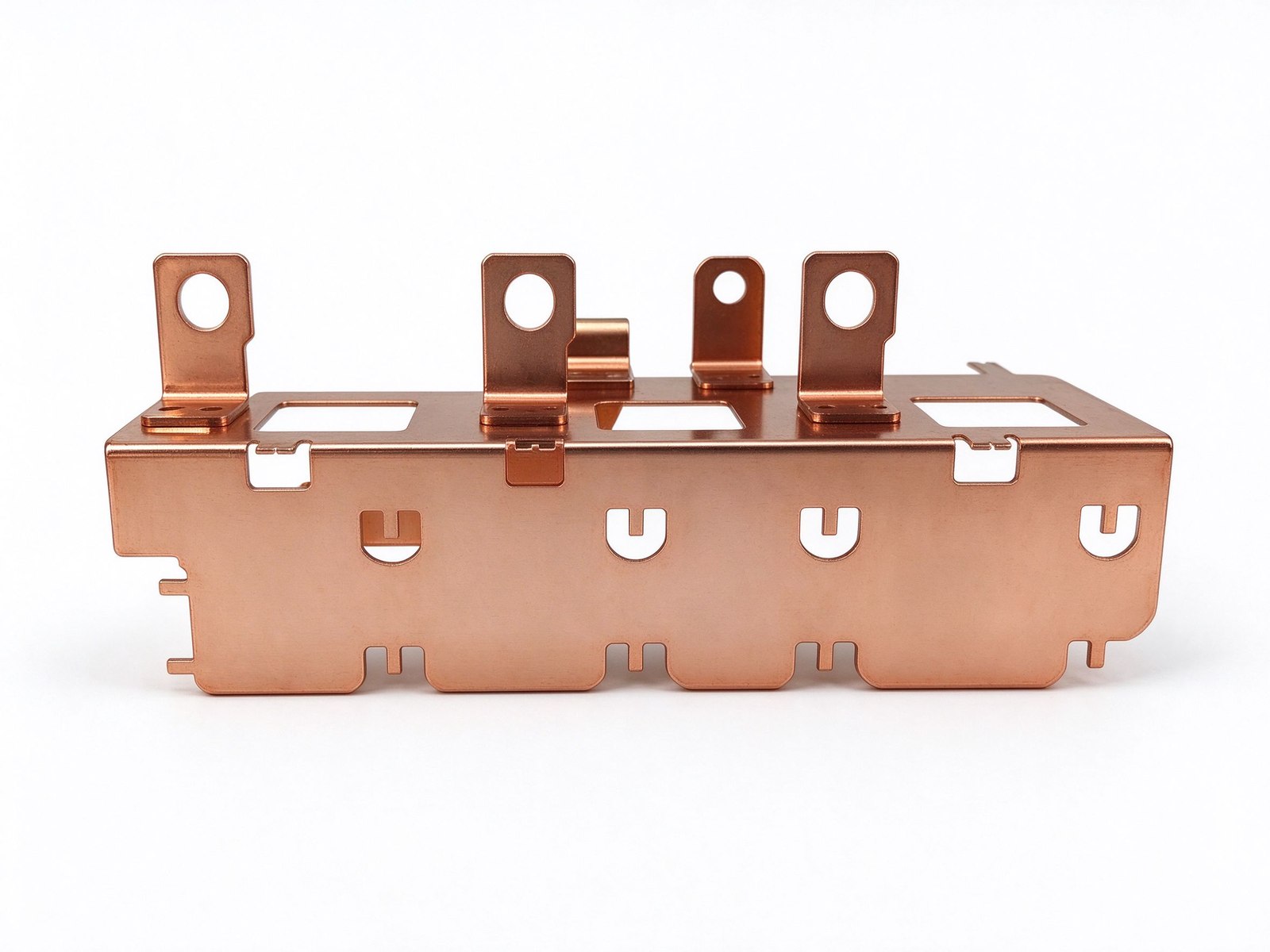
Mehrfach-abgezweigte laminierte Stromschiene für Kondensatorbank-Verbindungen in Leistungswandlern.
Von der Spezifikationsprüfung bis zu versandten, geprüften Teilen – ein verantwortlicher Lieferant.
| Material | Standard options |
|---|---|
| Conductors | C11000 copper as standard; aluminum available on request |
| Dielectrics | PET, Nomex and epoxy (DLF) films, selected by voltage class and operating temperature |
| Plating | Tin finish for corrosion protection and joint solderability |
Aufbau, Dielektrikum-Auswahl und Grundlagen der Stromtragfähigkeit.
Design-Leitfaden lesenVoltage class, current profile and terminal types — we will share reference configurations and DFM guidance.
Klare Antworten vom Engineering-Team.
Send the application, voltage class and current profile — we will share reference configurations and DFM guidance.