VoltCharge Systems, an Italian manufacturer of high-power EV chargers, engaged SHANYUAN in 2026 for the DC-link busbar inside its 350 kW charger power cabinet. The laminated interconnect — 12 nH loop inductance, 600 A per module, hot-plug tolerant — passed 5000 connector cycles and supports the 800 V output stage deployed across EU fast-charging corridors.
This case study is published as a representative engineering project. The product photograph and released drawing are illustrative of the delivered part; exact dimensions are covered by the customer's non-disclosure agreement.
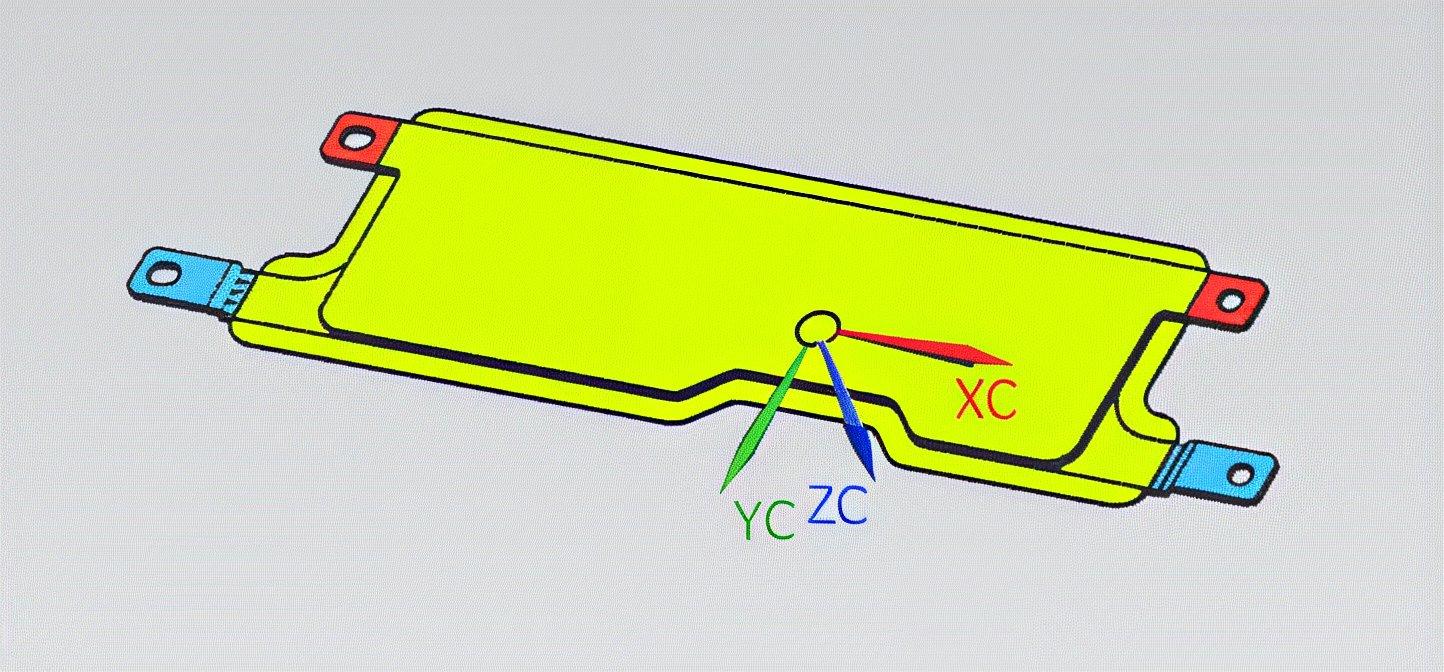
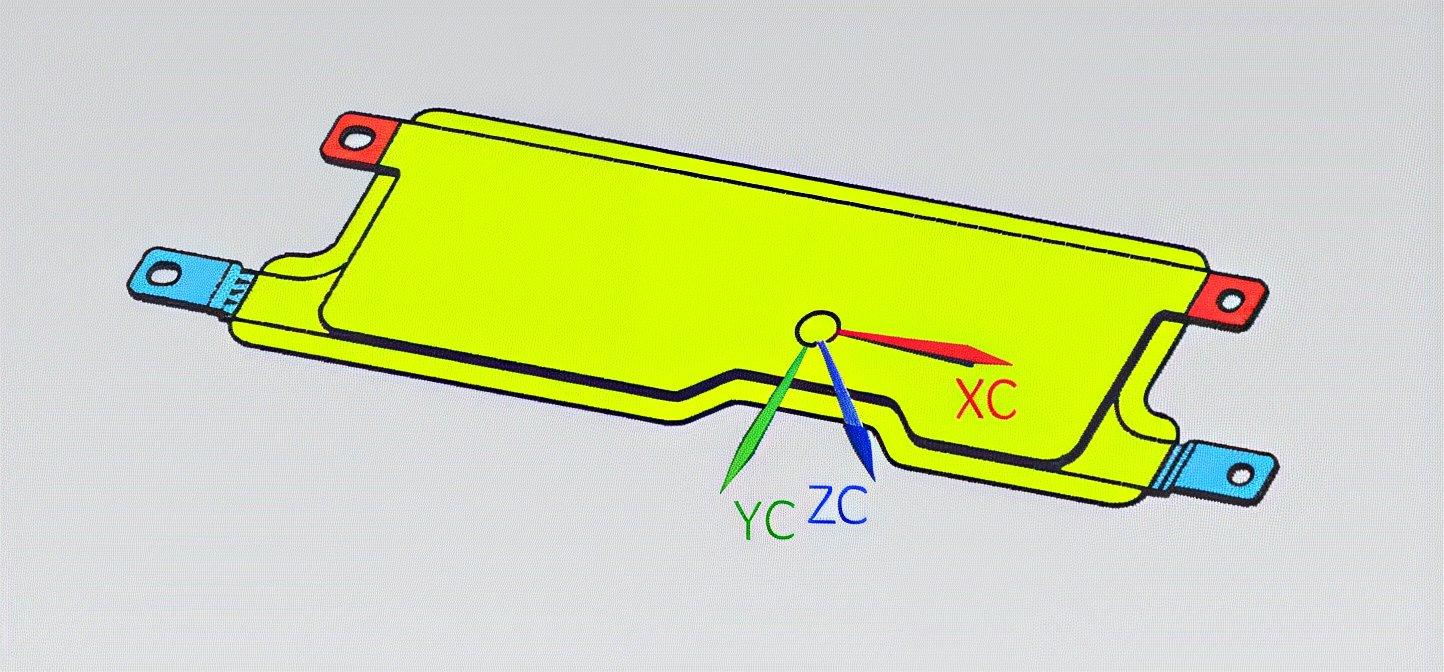
Customer drawings are treated as confidential; excerpts shown here are provided with permission and illustrate the layer stack, terminal layout and dielectric boundaries of the delivered part.
| Customer & platform | VoltCharge 350 kW DC fast charger, 800 V output, six 60 kW power modules |
|---|---|
| Busbar type | Laminated DC-link busbar, C11000 copper, interleaved layers |
| Dielectric system | PET film, 1.8 kV hi-pot, hot-plug tolerant insulation |
| Loop inductance | 12 nH measured at module terminals |
| Corrente nominale | 600 A per module, 750 A peak |
| Elevazione di temperatura | ΔT 24 °C at rated current, 55 °C cabinet ambient |
| Terminals | Blind-mate frame connectors + M8 studs, tin-plated |
| Production | EU-wide deployment support, 100% inductance scan |
| Quantified result | 12 nH, 5000-cycle hot-plug, 24 °C ΔT, 600 A/module |
VoltCharge Systems, an Italian manufacturer of high-power EV chargers, engaged SHANYUAN in 2026 for the DC-link busbar inside its 350 kW charger power cabinet. The laminated interconnect — 12 nH loop inductance, 600 A per module, hot-plug tolerant — passed 5000 connector cycles and supports the 800 V output stage deployed across EU fast-charging corridors.
VoltCharge's 350 kW charger cabinet holds six 60 kW power modules that are designed to be hot-swapped in the field — a module is pulled and replaced while the other five keep charging. Each module connects to a shared DC-link busbar through a blind-mate frame connector. The challenge was to keep loop inductance low enough for the SiC modules while allowing repeated blind-mate insertion without damaging the busbar or the connector.
Test data from the customer's prototype phase showed that a conventional bolted busbar could not meet the 15 nH inductance budget once the blind-mate connectors were included. SHANYUAN was asked to design the DC-link busbar and connector interface together, within a 12-week sample cycle.
The design followed the low-inductance design guide, with the connector interface engineered to the busbar connections guide — clip contact physics, not just bolted joints.
The delivered busbar interleaves positive and negative layers across the full length, ending in a connector zone where each module's blind-mate frame engages spring-loaded blade contacts. Measured loop inductance at the module terminals is 12 nH — inside the 15 nH budget — with the connector contributing only 1.4 nH.
The contact zone uses the multi-point clip pattern documented in the connections guide: each module connection has six independent contact points per polarity, so a single imperfect blade does not break the connection. The blade terminal busbar assembly product family carries this pattern.
Hot-plug tolerance comes from the spring-loaded contact geometry plus a controlled insertion angle; 5000 insertion cycles on the test rig produced no measurable change in contact resistance (stable at 0.9 mΩ per module connection).
Temperature-rise testing at 600 A per module in a 55 °C cabinet ambient measured 24 °C rise at the connector zone — the hottest point — inside the 28 °C budget. The thermal management guide documents the cabinet airflow assumptions.
The insulation system is PET film with a 1.8 kV hi-pot rating, sized for the 800 V output stage with headroom for grid transients. Creepage across the connector zone follows the terminal machining guide clearance rules, and the exposed contact area is minimised so a live bus inspection is safe.
Ripple from the six paralleled modules was simulated against the layer stack; interleaving keeps the module-to-module coupling below 3 nH, which the customer's EMC test confirmed.
Production runs in cabinet kits with 100% inductance scanning per part, mirroring the automated production line practice. Each kit ships with a per-module inductance map so field service can verify a replacement module's connection after installation.
The quality laboratory executed the 5000-cycle connector test and the 1.8 kV hi-pot campaign; the test dossiers were accepted by the customer's EU charging-infrastructure certification body as part of the charger's EN 61851-23 file. The ultra-fast charging network article explains the deployment context.
Field data from the first 200 cabinets shows zero busbar-related failures in six months of operation across EU fast-charging corridors.
The delivered busbar met every target: 12 nH loop inductance, 600 A per module with 24 °C rise in 55 °C ambient, 5000 hot-plug cycles without contact-resistance drift, and a 1.8 kV hi-pot rating.
Hot-swap time per module is under 15 minutes including torque audit, and the blind-mate design removed the need for a cabinet shutdown during module replacement — a direct uptime benefit for a charger serving multiple vehicles.
For fast-charging hardware engineers, the EV charging application page, the power electronics busbar range and the engineering contact form are the entry points we recommend.
La Megawatt Flash-Charging 2.0 di BYD spinge 1.5 MW attraverso un singolo gun a
Leggi l’articolo
MCS passa da pilota a scala flotta nel 2026: ricarica da 1 MW+ a 1250 V e fino a
Leggi l’articolo
Elena Vasquez è ingegnere applicativo di elettronica di potenza con 10 anni di esperienza nell'integrazione di sbarre laminate in inverter EV, sistemi di ricarica e PCS per accumulo energetico. È specializzata in link DC a bassa induttanza, comportamento EMC e packaging dei convertitori. Ha una
Inviate profilo di corrente, classe di tensione e tipi di terminali — i nostri ingegneri rispondono entro un giorno lavorativo.