A laminated busbar looks simple from the outside — a flat, sealed copper sandwich with a few bolted tabs. Inside, it is the product of a tightly controlled sequence of material, cutting, surface-treatment, dielectric-bonding and inspection steps. At SHANYUAN, every laminated busbar we ship is built in our own Rizhao, Shandong factory, using C11000 oxygen-free copper (aluminum on request), tin-plated conductors and PET, Nomex or DLF epoxy dielectrics. This article walks through the full process so engineers and procurement teams understand what happens between a Gerber/PDF release and a finished, tested part.
A laminated busbar looks simple from the outside — a flat, sealed copper sandwich with a few bolted tabs. Inside, it is the product of a tightly controlled sequence of material, cutting, surface-treatment, dielectric-bonding and inspection steps. At SHANYUAN, every laminated busbar we ship is built in our own Rizhao, Shandong factory, using C11000 oxygen-free copper (aluminum on request), tin-plated conductors and PET, Nomex or DLF epoxy dielectrics. This article walks through the full process so engineers and procurement teams understand what happens between a Gerber/PDF release and a finished, tested part.
The process starts long before metal touches a tool. Every job opens with a material readiness check against the customer drawing. Our standard conductor is C11000 electrolytic tough-pitch copper, selected for its >100% IACS conductivity and consistent annealing hardness; where weight or cost drives the choice, we offer aluminum as an alternative, though contact resistance at the fastener joint then needs extra design attention.
Sheet thicknesses most often fall between 0.8 mm and 3.0 mm, depending on current rating and layer count (we routinely build 1 to 6+ layers). Dielectric films are cut to a slightly oversized master blank so that later trimming can expose clean copper at the terminal windows while keeping the insulation fully covering the current path.
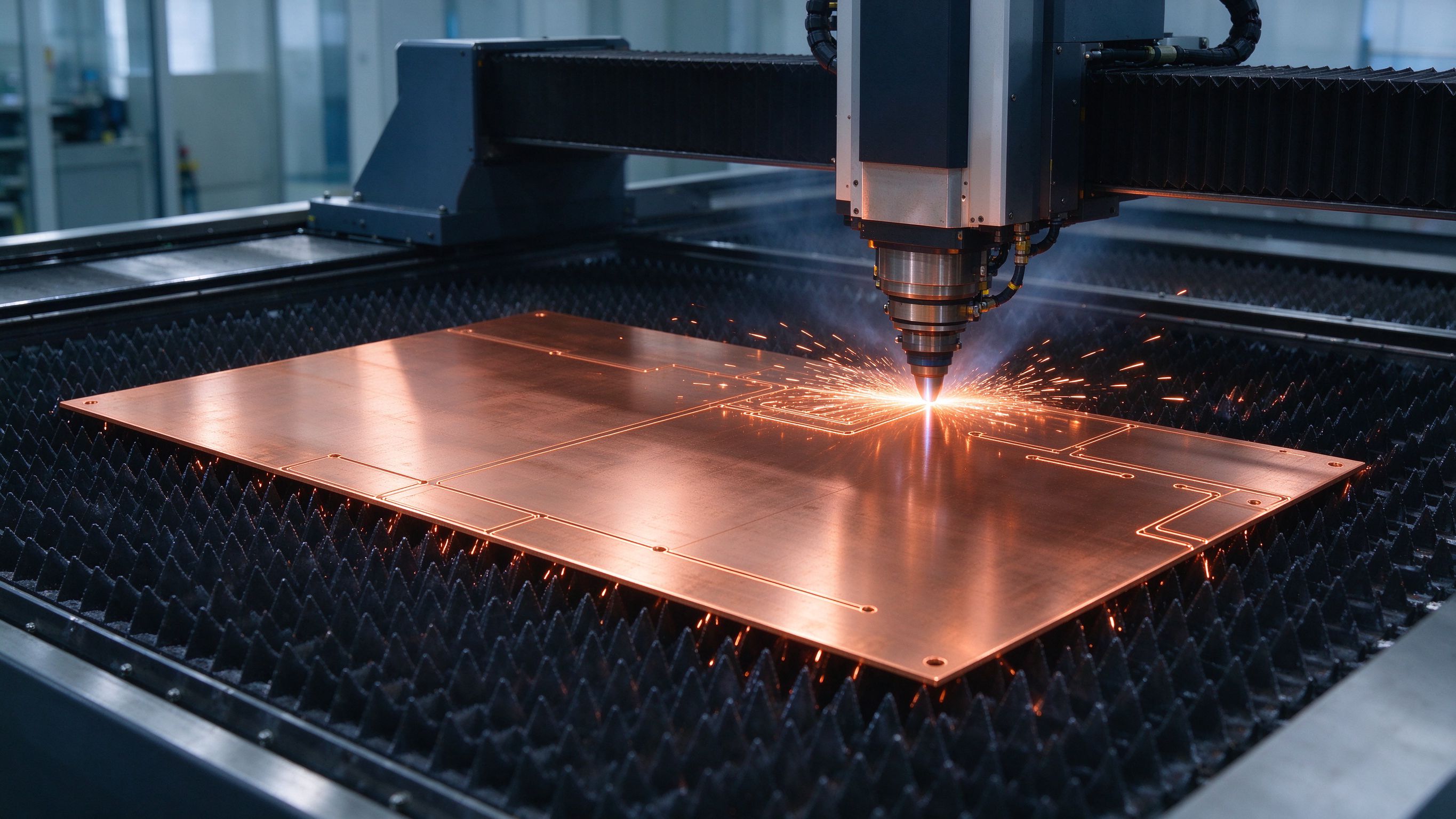
Each copper layer is a flat blank that must match the CAD data to within a few tenths of a millimetre. We use two cutting routes depending on volume and feature complexity.
For repeat orders above roughly a few hundred pieces, a hard-tooled progressive or single-hit die gives the fastest cycle time and the sharpest edge. Blanking, piercing and notching happen in one press stroke. This is the default route once a design is frozen and we are in mass production.
For first-article builds, low-volume spares, or parts with intricate cutouts around IGBT modules, DC-link capacitors and fuse holders, fiber laser cutting is used. It avoids tooling cost and lead time, and it handles tight internal notches that a simple punch cannot reach without splitting the die. Our samples typically ship in 5–7 working days using this route.
After cutting, each layer goes through a debuff and visual check. Burrs on the edge are more than cosmetic: a sharp copper sliver can puncture a thin PET dielectric during lamination and create a latent partial-discharge path. See also our design guide for edge-radius recommendations.
Bare copper oxidises quickly, especially in humid or corrosive environments. All exposed contact surfaces — terminal holes, weld zones, any copper left bare after edge trimming — receive an electro-tin plating. Tin gives three practical benefits:
Plating thickness is controlled per drawing; typical exposure zones run 5–8 µm. Areas that must remain bare for ultrasonic or resistance welding (for example, fuse-link tabs) are masked before plating and cleaned immediately after, because residual plating chemistry can contaminate the weld nugget.
This is where a stack of loose copper and film becomes a laminated busbar. Operators work on a clean, static-controlled bench. Each copper layer is picked up with vacuum tongs and aligned to the film, using either pin nests or an optical alignment system for tighter geometries.
| Dielectric | Typical use | Why we reach for it |
|---|---|---|
| PET film | Most industrial busbars, <130 °C continuous | Best cost/performance balance, consistent dielectric strength, easy to laminate |
| Nomex paper | Higher thermal class, higher temp cycles | Self-extinguishing, mechanically tough, handles hot-spot excursions |
| DLF (dielectric layer film / epoxy powder) | Contoured, irregular or very compact parts | Follows the copper shape, bonds directly, no film wrap needed |
We go deeper on trade-offs in our dielectric selection guide. The layup operator confirms that film overlaps copper by at least the design creepage margin on every exposed edge and that terminal windows line up exactly with the holes punched in the copper.
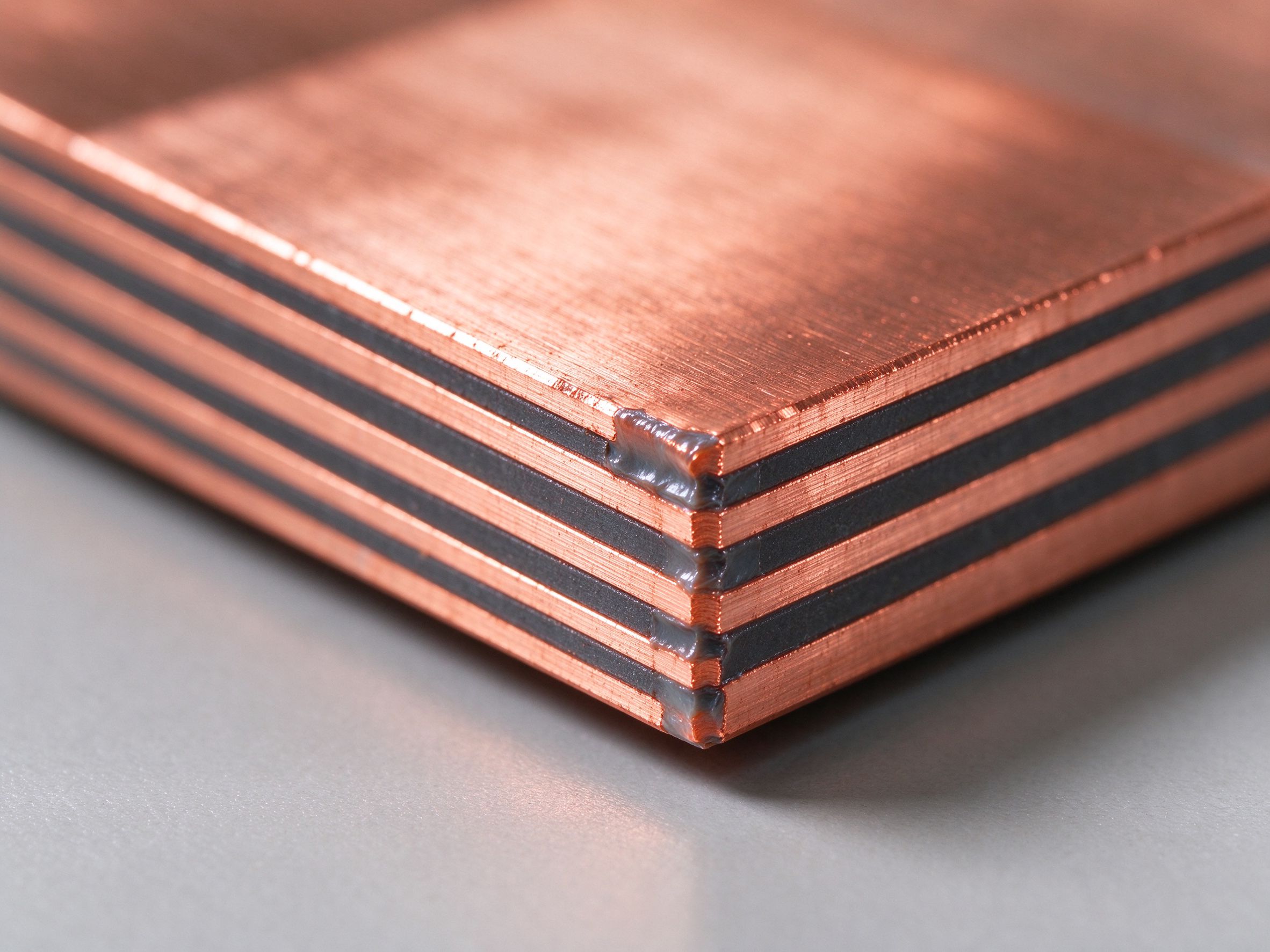
The aligned stack is transferred to a heated platen press. Heat and pressure activate the adhesive layer on the dielectric (or cure the DLF epoxy), bonding every layer into a rigid, void-free block. Press time, temperature and pressure are recipe-controlled per film type and part thickness — there is no single "one number" that works for every build.
Controlling voids matters. A void trapped between copper and film is not just a visual defect: it is a pocket of air with a much lower dielectric strength than the film, and it can become a partial-discharge site under high dv/dt, which is why SHANYUAN uses full edge sealing and controlled press cycles rather than simple hand-bonding.
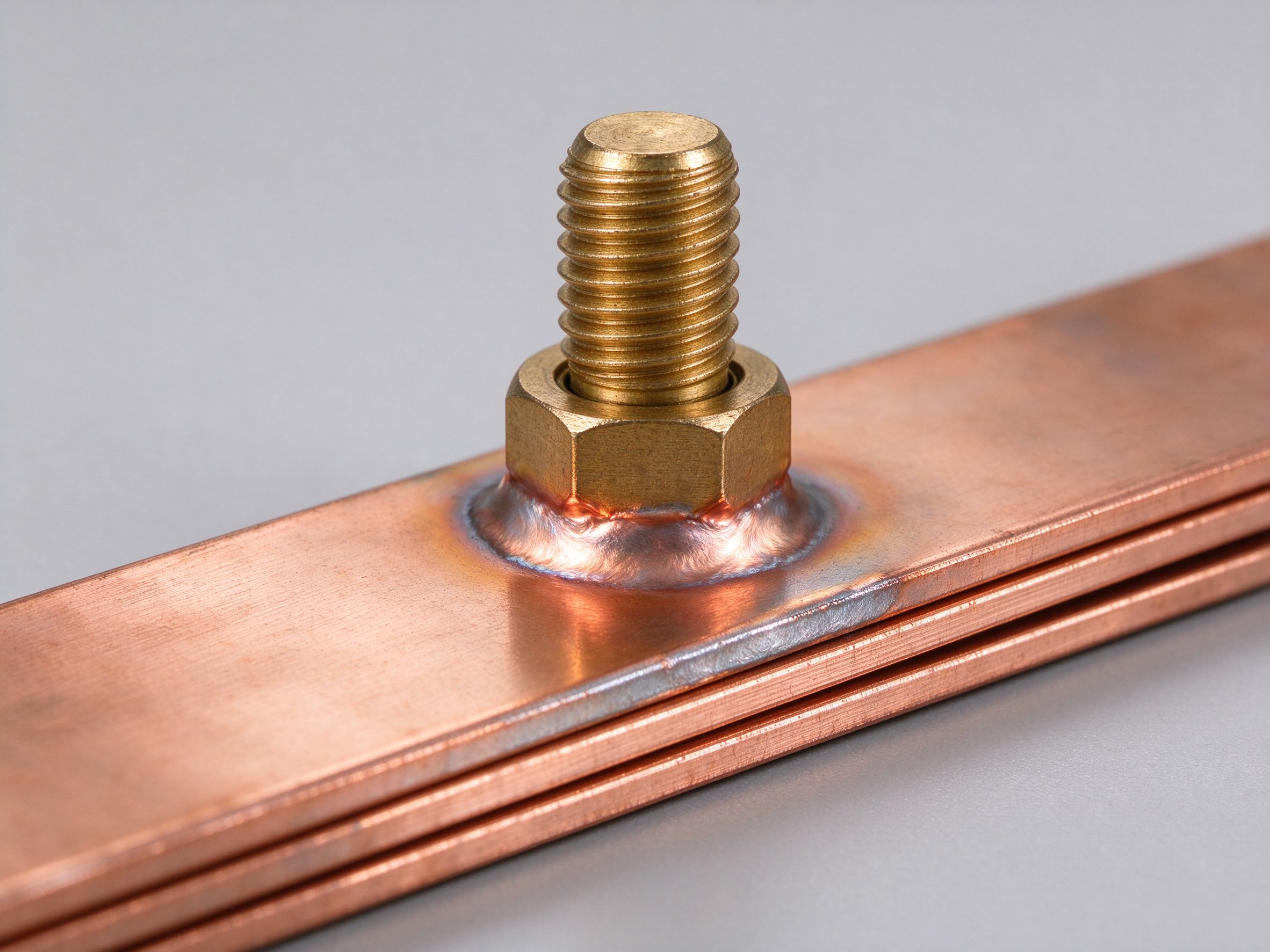
After press cure, the outer profile is trimmed and every exposed edge receives a sealing bead or a secondary insulation wrap. Then the terminal hardware is attached.
Torque and weld parameters are set per joint design. We cover this in detail in the terminal connection guide. Weld zones are kept outside the plated area where possible, because plating residues weaken the nugget.
A laminated busbar is not finished when it comes out of the press. Outer outline, hole positions and terminal standoffs are brought to final dimension on CNC trimming or machining centres, then it moves to quality.
We do not advertise third-party certification numbers on the site because certification scope depends on the customer's end system; instead we release a factory test report with each shipment, and the whole flow sits inside our quality system.
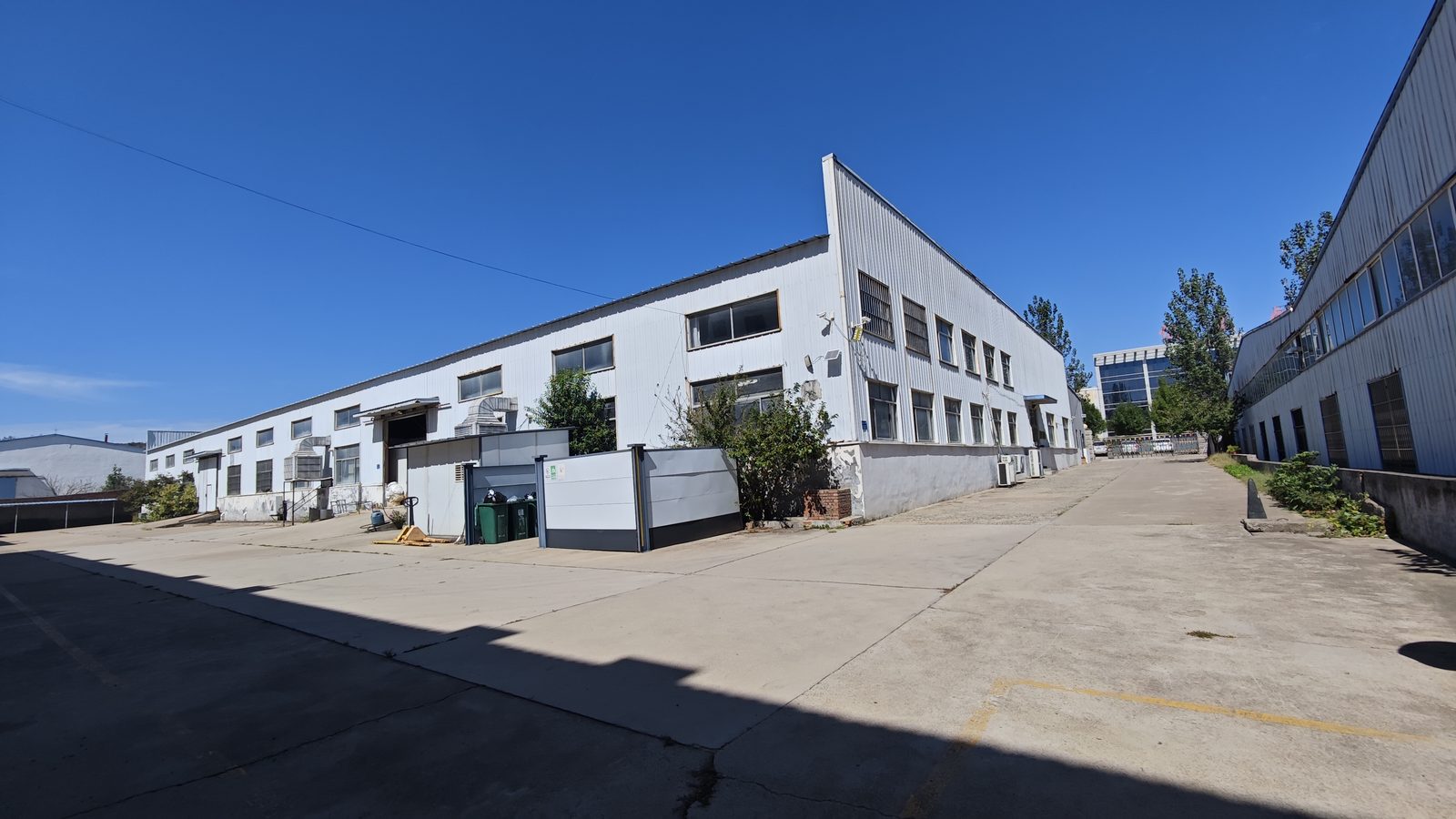
Founded in 2012, SHANYUAN (Rizhao Shanyuan Electronic Components Co., Ltd.) runs this entire process under one roof in Wulian Street, Rizhao. Practical commercial facts engineers care about:
If you are comparing suppliers or trying to buy laminated busbars for a new platform, the fastest path is to release your drawing and ask for a custom busbar quote — we will run a DFM review first (see our 2026 DFM checklist) so the quote you get reflects what we can actually build, not an optimistic placeholder.
Questions on a specific step? Reach us at /contact/ or email busbar@shanyo.com. For other engineering topics, browse the resources hub and the busbar design guide.
Because every step on this page happens under one roof in Rizhao, we do not hand a half-built part to a subcontractor between cutting and lamination. That sounds like a logistics detail, but it is what lets us hold tight tolerances on layer alignment: a blank that goes from our laser bed directly to our layup bench has not been bounced between three factories, and the dielectric-to-copper register stays where the drawing says. It is also what lets us turn samples in 5–7 working days — no waiting on a coater, a laminator and a tester each taking their own two-week queue. When you compare a custom busbar quote across suppliers, ask whether each step is in-house or outsourced; the answer usually explains both the price and the lead time.
Every batch we ship carries a factory test report tied to the work order number. That report records the lot of copper used, the dielectric film roll, the press recipe, the hipot voltage and the insulation resistance reading. If a field question comes back years later, we can trace the part back to the exact coil and film lot. We do not publish third-party certification numbers on this site because certification scope belongs to the customer's end system — instead we give our customers the raw test data they need to run their own system-level qualification. See our quality page for the process summary, and the about page for the factory background.
One final note for engineers receiving a sample: the first-article part is built to the drawing, not to an optimistic assumption. If something in the stack-up needs adjusting after bench testing, we iterate on the laser-cut route — no tooling cost to change a dimension — until the sample is approved. Once approved, that drawing becomes the production baseline, and every subsequent batch is built to the same stack-up, press recipe and test limits. That is the practical meaning of a repeatable laminated busbar supply chain at SHANYUAN: a sample you can trust, and a production build that matches the sample you qualified.
PET, Nomex and DLF epoxy are the three dielectrics we laminate into SHANYUAN busbars every
Read article
Every hour spent on DFM before a custom busbar quote saves a week of rework. This is the c
Read articleThe terminal is where a laminated busbar meets the outside world. This guide covers M6/M8
Read articleSend the current profile, voltage class and terminal types — our engineers reply within one business day.
Send drawings, current ratings and voltage class — DFM feedback and a quotation within one business day.