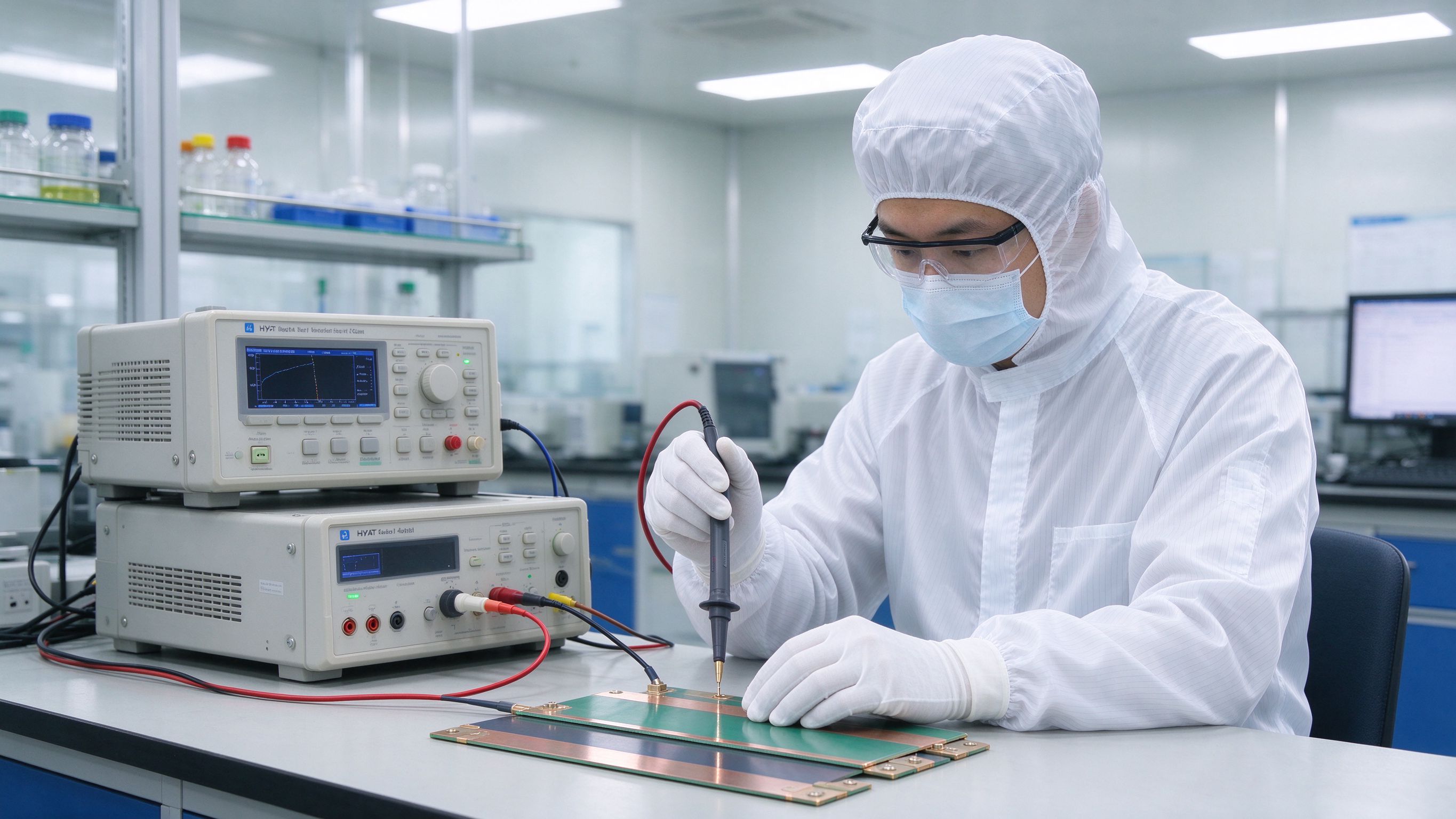
Energy storage systems push hundreds of amps through racks and strings. Laminated busbars carry those DC currents with lower losses and faster assembly.
The four places busbars carry current in this application.
High-current links between battery racks in a string.
Multi-terminal laminates inside C&I and residential units.
Combined busbars feeding the PCS or DC combiner.
Combined power and measurement paths in one laminate.
Hybrid power+signal laminates carrying cell sense and balance lines alongside the current path.
Bars feeding the power conversion system DC input from the string collection bus.
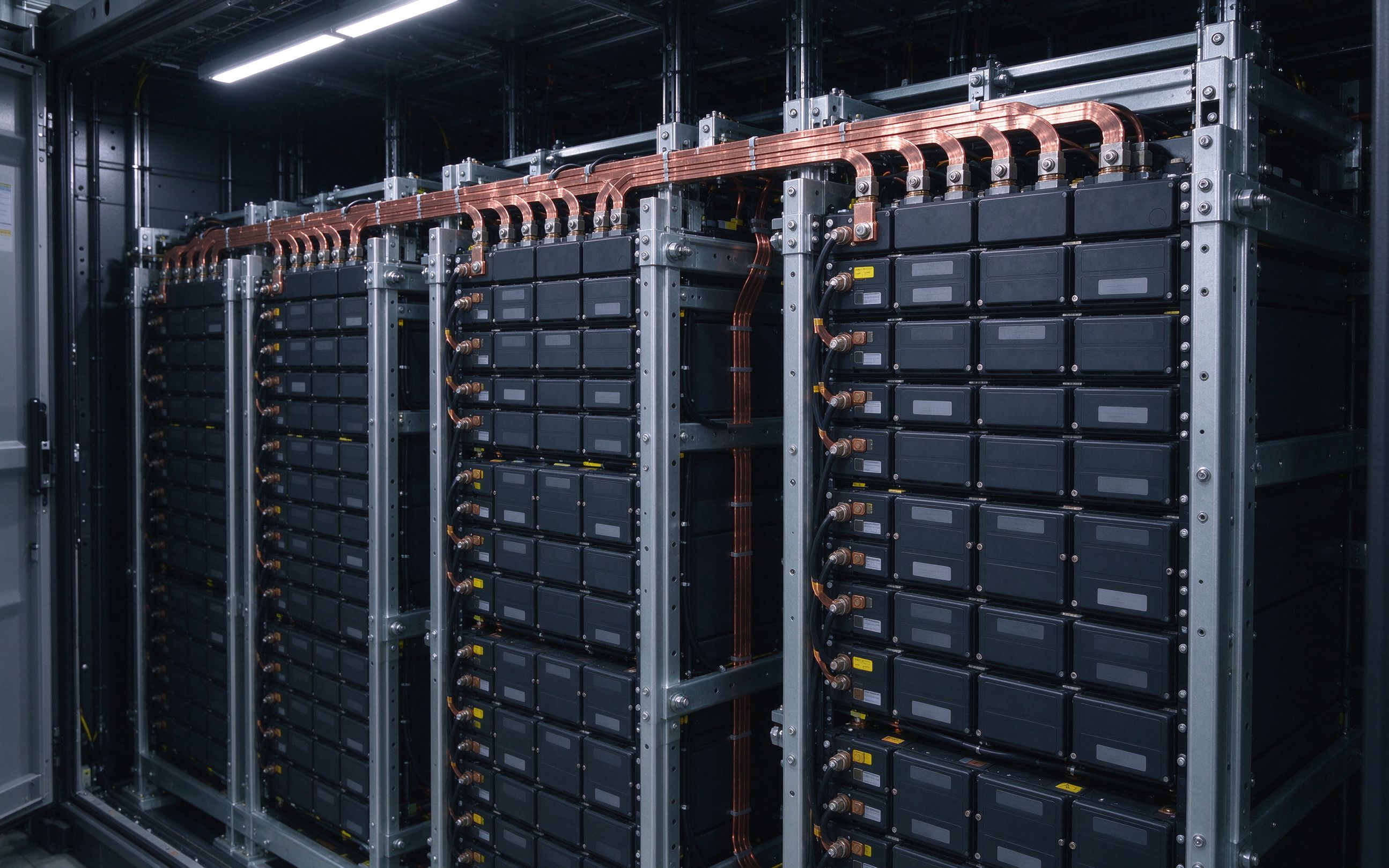
The busbar set is tooled once and repeated across every rack — where a laminated assembly pays back against hand-built buswork.
Cross-sections are sized against continuous DC with thermal margin.
Bolted studs keep maintenance and rack disconnects practical.
Dielectric selection follows the DC bus voltage of the system.
If cell sense and balance signals ride on the bar, tell us the number of taps and the connector interface.
Battery energy storage systems stabilize grids and handle the intermittency of renewables — they sit between the solar and wind farms we cover on our renewable energy pages and the grid itself. A rack-scale system pushes hundreds of amps through rows of battery racks and strings, continuously, unattended, in cabinets that must be assembled fast and serviced safely. Laminated busbars carry those DC currents with lower losses and faster assembly than cabled distribution, using the same de-rated, long-life and PD-controlled discipline we apply to aerospace and defense busbars built for unattended decades of service.
Two distinct levels exist. At module and pack level, laminated busbars provide the mechanical support, electrical interconnection and environmental interface between the energy source and the power electronics — rack-to-rack links, module and pack distribution inside C&I and residential units, and combined bars feeding the PCS or DC combiner. At cell level, power and signal lines share one hybrid laminate suited to prismatic and cylindrical cells: one piece per module replaces the separate power conductors plus sensing harness that pack builders otherwise assemble by hand.
Effective pack design requires long-term reliability in harsh ambient conditions and resistance to damaging vibration. The interconnect must simultaneously provide mechanical support, electrical interconnection, heat dissipation and environmental protection — material selection is driven by the resulting power device's electrical, thermal and mechanical properties. Bolted stud terminals keep rack-level disconnects practical, and matched, symmetric link pairs let repeated rack designs share current evenly.
One-piece hybrid construction also solves supply-chain complexity: a single delivered part removes the harnessing step and the wiring mistakes that go with it. We build these assemblies as 1–6+ layer C11000 copper bars, tin-plated and edge-sealed, as part of our battery busbars line; conductor sizing follows the reference points in our busbar ampacity chart, derated for cabinet ambient. Every rack set ships with the per-lot hipot, continuity and CoC records your grid project can audit. Tell us the DC bus voltage and rack layout at quotation.
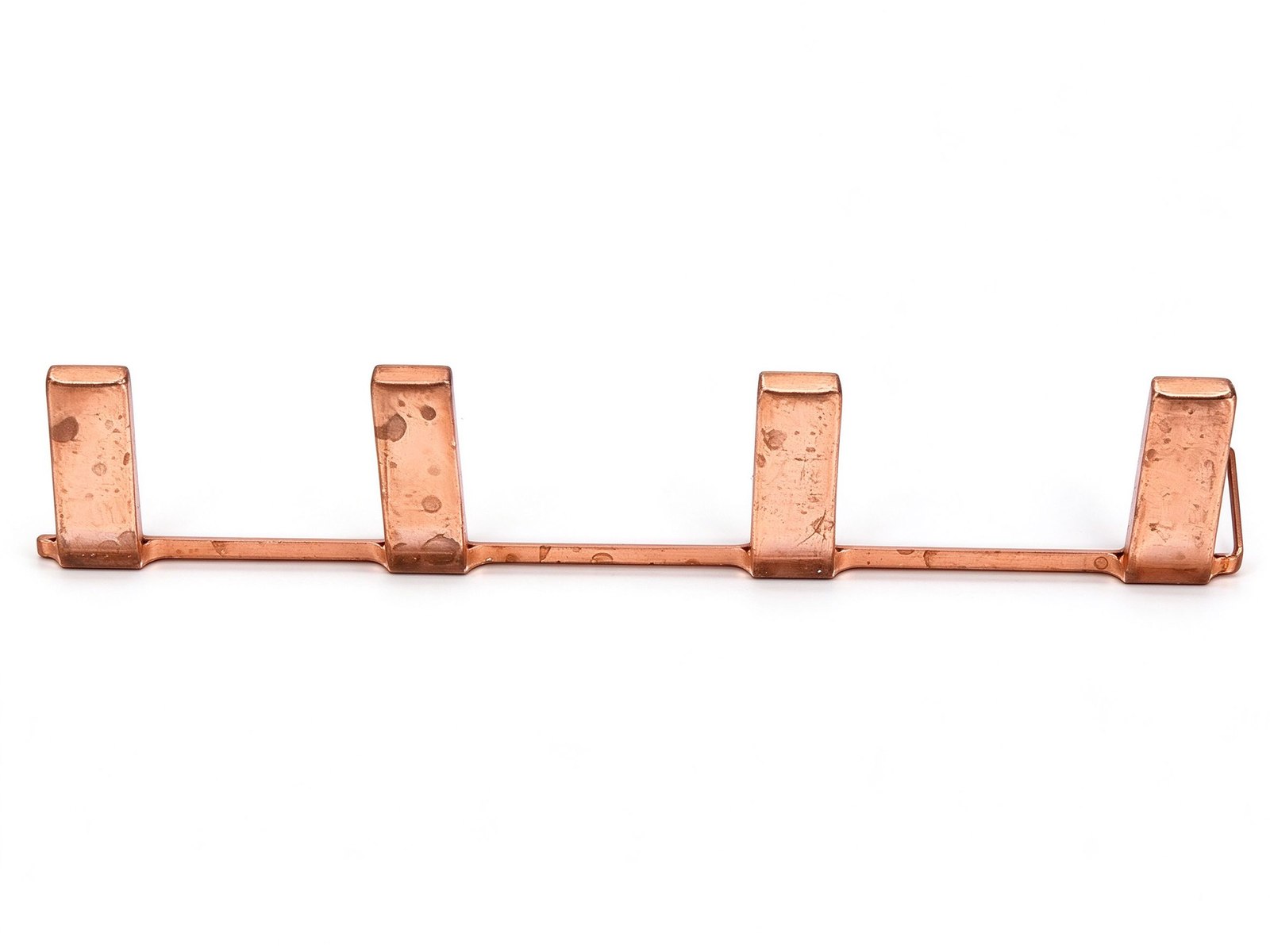
The part this application is built around — a SHANYUAN laminated busbar, factory direct.
Ảnh tham chiếu từ sản xuất SHANYUAN và các cụm lắp ráp đã xuất.
Các ghi chú và trang sản phẩm chọn lọc hỗ trợ các quyết định thiết kế trên trang này.
Các dòng thanh cái phù hợp đáp ứng biên độ dòng của ứng dụng này.
Thanh cái ép lớp cách điện với tám đầu nối đôi để phân phối dòng cao trên module pin EV.
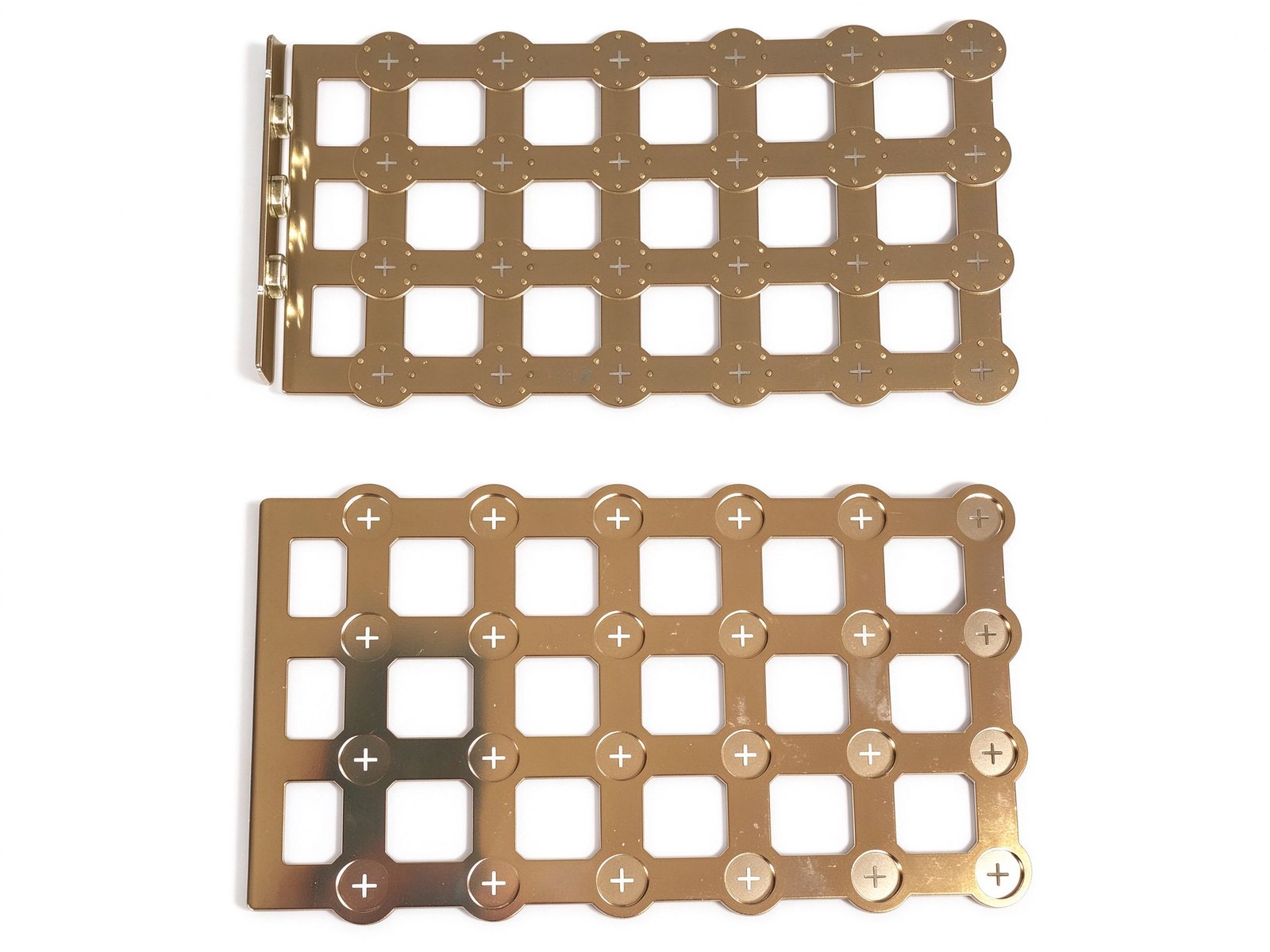
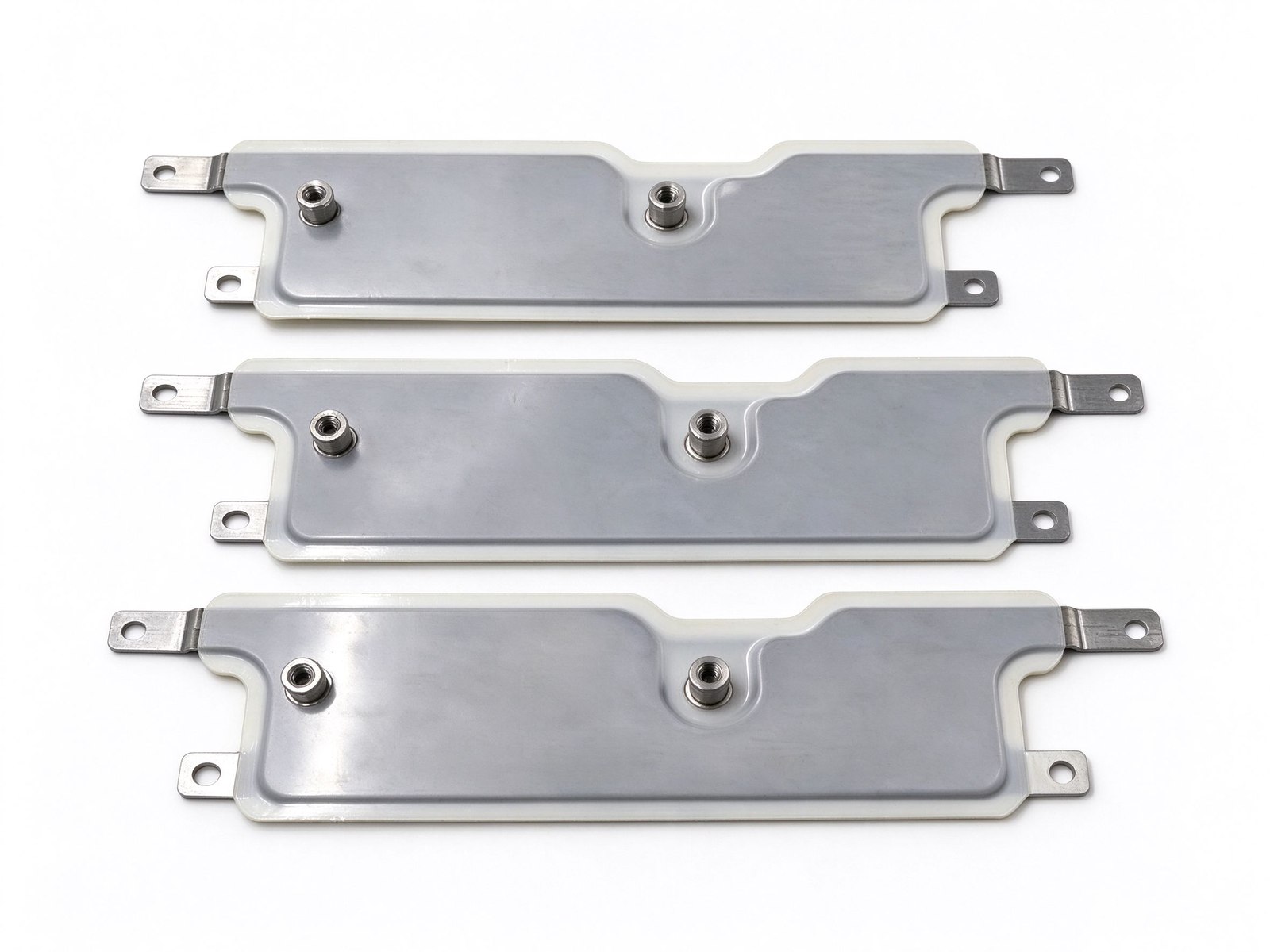
Thanh cái ép lớp cách điện đa lớp với nhiều loại đầu nối cho bố trí phân phối phức tạp.
Từ rà soát thông số đến linh kiện giao hàng và kiểm thử – một nhà cung cấp chịu trách nhiệm.
| Material | Standard options |
|---|---|
| Conductors | C11000 copper as standard; aluminum available on request |
| Dielectrics | PET, Nomex and epoxy (DLF) films, selected by voltage class and operating temperature |
| Plating | Tin finish for corrosion protection and joint solderability |
Cấu trúc, chọn điện môi và cơ bản về khả năng dòng.
Đọc hướng dẫn thiết kếVoltage class, current profile and terminal types — we will share reference configurations and DFM guidance.
Câu trả lời thẳng thắn từ đội kỹ thuật.
Send the application, voltage class and current profile — we will share reference configurations and DFM guidance.